

Published: 2026-07-26 | Author: Karl Huang
My first Beijing to Xinjiang itinerary started on a Tuesday in late May. I left Beijing Capital at 08:20 on China Southern CZ6915 and landed in Urumqi at 12:40, four hours in the air with a short fuel stop. The ticket cost me 1,980 RMB booked three weeks out. That trip taught me more about pacing a west-China route than any guidebook, and I have since repeated the run five times with different budgets and companions.
If you are planning your own Beijing to Xinjiang itinerary, the good news is the logistics are far simpler than they look on a map. Beijing sits about 2,400 km east of Urumqi, but daily direct flights and two comfortable sleeper trains close that gap without drama. The hard part is deciding how many days to spend once you arrive, and which corridor to follow: the green north (Kanas, Sayram, Yili) or the desert-and-mountain south (Kashgar, Pamir, Taklamakan).
Quick Reference
| Item | Detail |
|---|---|
| Route | Beijing (PEK/PKX) to Urumqi (URC), then onward to north or south Xinjiang |
| Air fare (one way) | 1,100 to 2,400 RMB economy, booked 2 to 4 weeks ahead |
| Train fare | Hard sleeper 760 RMB, soft sleeper 1,180 RMB (Z179 or Z69, 33 to 38 hours) |
| Best time | Late May to early October; June for north grasslands, September for autumn color |
| Recommended length | 10 to 14 days for a first loop including Urumqi, Turpan, and one corridor |
How I Built My Route
I learned early that a Beijing to Xinjiang itinerary fails when people try to see everything in one trip. On my second run I tried to hit Kanas, Kashgar, and Hotan in nine days. I spent more time in transit than at sites, and the Pamir leg got cut for weather. Now I tell readers to pick one corridor and go deep. Every Beijing to Xinjiang itinerary I plan now starts with that single choice.
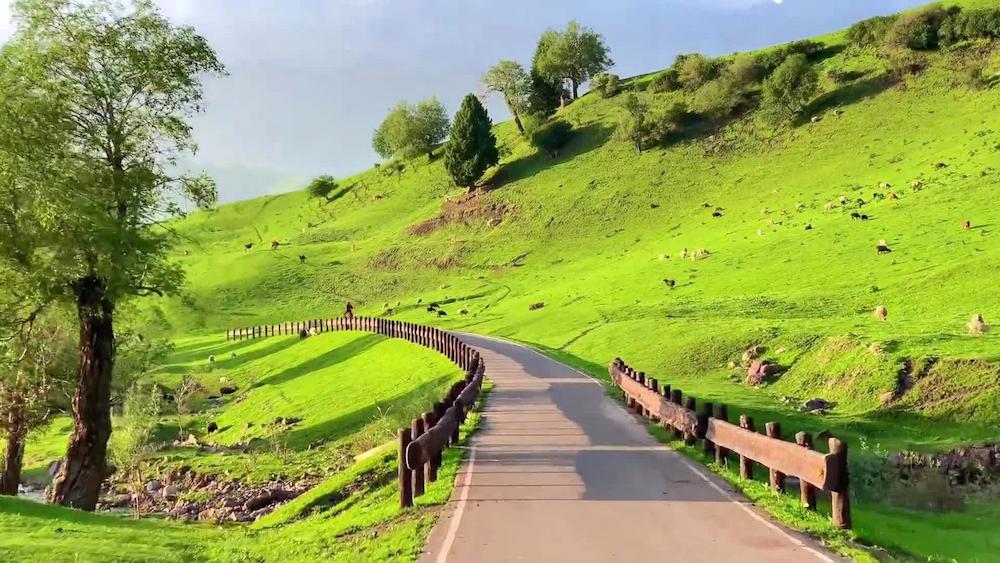
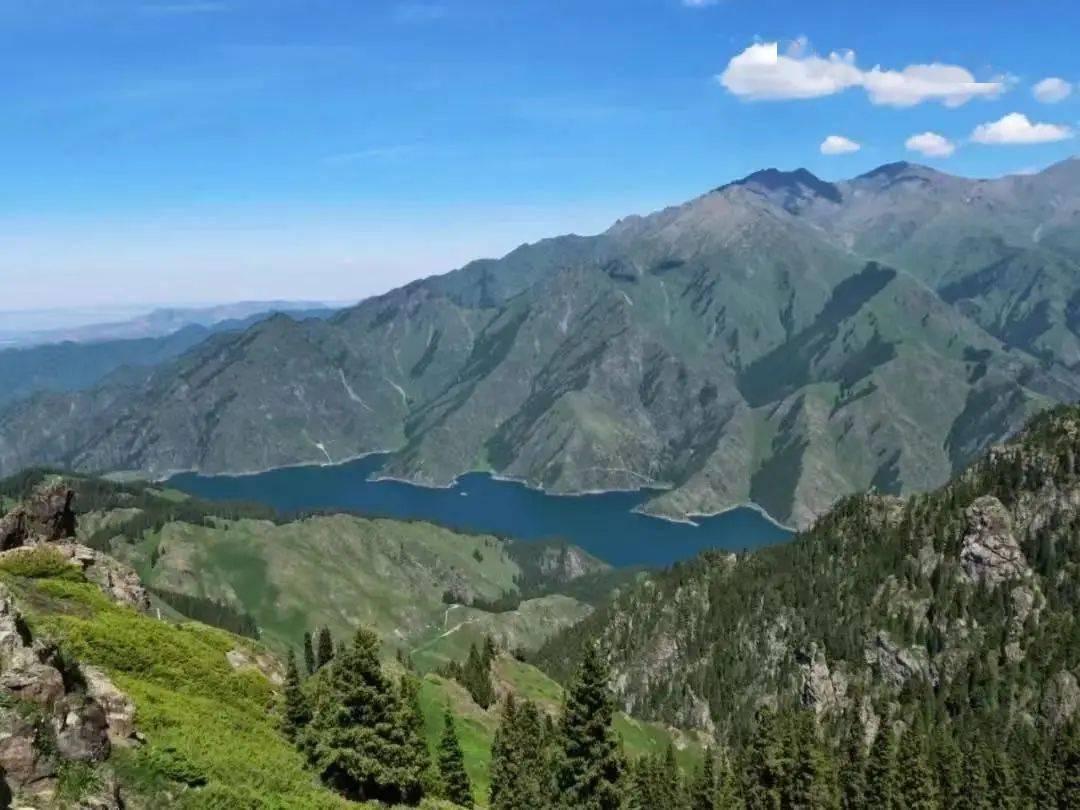
My standard plan lands in Urumqi, rents a car the next morning, and drives two hours south to Turpan for the ruins and grape valleys. From there I either swing north toward the Heavenly Lake and Duku Highway, or fly south to Kashgar for the old city and the Karakul Lake day trip. The shape of the trip depends on the season, which is why I keep my Beijing to Xinjiang guide open alongside the map when I plan.
How to Get There
The Beijing to Xinjiang Xinjiang flight is the backbone of nearly every route I build. Beyond the CZ6915 I mentioned, Air China CA1295 and Hainan HU7151 both run morning departures from Beijing Capital, while some budget carriers leave from Daxing (PKX) and can be 300 to 500 RMB cheaper if you tolerate the longer airport transfer. Total air time is about four hours.
The train is the slow, scenic choice. Z179 leaves Beijing West at 20:48 and reaches Urumqi the second afternoon; Z69 is similar. I have taken the soft sleeper with a colleague, and the price included two nights of lodging essentially. If you want the overland feel without the full 38 hours, fly one way and take the train the other. My Xinjiang by Train travel guide walks through berth choices and the booking windows on 12306.
Best Time to Visit
Timing decides the color of your whole trip. Late May through early June is when the northern grasslands, Nalati and Bayinbuluke, turn green and the snow has cleared the Duku Highway. July and August are warm but crowded, with domestic families filling the resorts. September is my favorite: the poplar forests near Hotan and the Kanas larch go gold, and the heat drops.
Winter, from November to March, is quiet and very cold, good only if you want the ski resorts near Urumqi or empty photo sites. For most first-timers I suggest June or September. My Best Time to Visit Xinjiang guide breaks the months down by region so you can match the window to your corridor.
Where to Stay
Budget: In Urumqi I often stay at budget chains like Home Inn near Tianshan, around 180 to 260 RMB a night, clean and central. Turpan has basic guesthouses near the bazaar for 150 RMB.
Mid-range: A four-star in Urumqi such as the Hoi Tak runs 450 to 650 RMB. In Kashgar, the boutique hotels built inside restored courtyard houses cost 400 to 550 RMB and put you steps from the mosque.
Upper: Luxury options near Red Mountain in Urumqi start at 900 RMB and climb past 1,500 for suites with mountain views. In the north, the Kanas resort lodges inside the park charge a premium of 1,200 RMB plus in peak October because location beats competition.
Food
Xinjiang food is the part travelers remember longest. In Urumqi I start with a plate of chuanr (mutton skewers) at the Grand Bazaar for 3 to 5 RMB each, then a bowl of laghman hand-pulled noodles for 25 to 35 RMB. A full dapanji (big plate chicken) for two runs 68 to 88 RMB and comes with belt noodles to soak the sauce.
In Kashgar the Sunday livestock market has fresh nang bread at 2 RMB and grilled river fish at 30 RMB. Tea houses in the old city serve chai for 5 RMB and samsa baked in clay ovens for 6 to 8 RMB each. I budget about 120 to 160 RMB a day for food if I eat local, more if I sit down for dumplings and pilaf at a restaurant.
Practical Tips
- Carry your passport at all times. Police checks are common on the roads and at hotel lobbies, and a copy will not substitute for the original.
- Book the Duku Highway and Kanas permits early in peak season. Both cap daily entries, and the park hotels sell out weeks ahead in October.
- Download offline maps. Signal drops in the mountains and on the Pamir, and ride-share apps do not always reach small towns.
- Bring cash in 10 and 20 RMB notes. Market stalls and rural guesthouses often cannot take foreign cards or even WeChat from an overseas number.
- Pack for two climates. Urumqi can be 30C while Karakul Lake sits near freezing at 3,600 m, so layers beat a single heavy coat.
Before you travel, check the current entry rules in my Xinjiang Visa and Permit guide, since border zones near the Pamir still need a separate travel permit that you arrange in Kashgar.
Sample Itinerary: Your Beijing to Xinjiang Itinerary Day by Day
Here is the 12-day loop I ran in September, north corridor first:
- Day 1: Fly Beijing to Urumqi (CZ6915, 08:20 to 12:40). Settle in, walk the Grand Bazaar, dinner of chuanr.
- Day 2: Heavenly Lake day trip (1.5h drive). Boat ride and boardwalk, back for a laghman dinner.
- Day 3: Drive the Duku Highway south to Bayinbuluke, stop at the snow ridge viewpoints.
- Day 4: Bayinbuluke grassland and Swan Lake, overnight in the town.
- Day 5: Drive to Kanas via Karamay, overnight in Jiadengyu.
- Day 6: Full day Kanas Lake and Hemu Village wooden houses.
- Day 7: Fly Urumqi to Kashgar (evening). Night market for grilled fish.
- Day 8: Kashgar old city, Id Kah Mosque, workshop lanes.
- Day 9: Karakul Lake and Pamir day trip with permit.
- Day 10: Rest day in Kashgar, livestock market if Sunday.
- Day 11: Fly Kashgar to Urumqi, train or flight home next.
- Day 12: Return to Beijing (Z69 sleeper or morning flight).
For a longer version that adds Turpan and the south desert towns, a 14-day plan extends this exact skeleton to two full weeks without changing the transport logic.
FAQ
How many days do I need for a Beijing to Xinjiang itinerary?
Ten days is the floor if you pick one corridor. Fourteen lets you add Turpan and a second region without rushing. I would not go below eight.
Is the train or the flight better?
Fly if your time is short; take the train if you want the experience and to save two nights of hotel. Both arrive in Urumqi, so the rest of the plan is identical.
Do I need a permit beyond my Chinese visa?
The main Xinjiang sites do not, but the Pamir border area near Tashkurgan does. You apply in Kashgar with your passport and a photo, usually same day.
Can I drive myself from Beijing?
You could, but it is a 2,400 km drive across three provinces and takes four days each way. Flying and renting in Urumqi is the standard, sane choice.
What should I budget per day?
Plan 400 to 700 RMB a day all-in (room, food, local transport) outside the international flights, more if you take internal flights between Urumqi and Kashgar.
Disclaimer
Prices, train numbers, flight times, and permit rules change. The fares and schedules above reflect what I paid and saw in 2024 to 2025 and may shift with season and booking class. Always confirm current details with the official airline, the railway system (12306), and the Xinjiang tourism or public-security bureau before you travel. This article shares my own experience and is not a substitute for checking official sources.