

Published: 2026-08-08 | Author: Karl Huang
I have sent clients to Aydingkol Lake every season since my first Xinjiang route in 2016, and the questions never change: when do I go, how do I get there, and what is the place actually like. This guide to Aydingkol Lake Guide pulls together what I tell clients after eight seasons designing Xinjiang tours and self-drive itineraries out of Urumqi — the practical stuff that actually changes a trip. The questions about Aydingkol Lake are always the same: when to go, how to get there, and what the place is actually like. For the wider plan, start with the xinjiang itinerary and the flaming mountains travel guide if it sits on your route; for a tailored route, see our best time to visit xinjiang guide.
Quick Reference
| Item | Detail |
|---|---|
| Location | Turpan Basin (Eastern desert) |
| Best time | April-May and September-October. Avoid Jul-Aug unless you tolerate extreme heat. |
| Elevation | -154 m |
| Ticket / cost | Free |
| Base hub | Turpan |
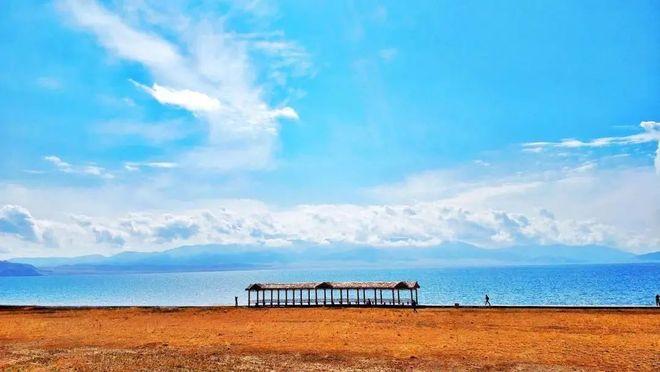
Why Aydingkol Lake Earns a Place on the Route
The lowest point in China — a salt lake in the Turpan basin, stark and surreal.
What stays with me is the scale. Xinjiang does not do small, and Aydingkol Lake is no exception — you feel the distance in your shoulders by midday.
I have watched Aydingkol Lake go from a quiet stop to a flagged highlight. The trick is still to arrive before the tour buses and stay past their departure.
The sensory memory I keep is specific: the dry cold of the morning, the smell of smoke from a roadside grill, the way a distant range changes colour as the sun clears the ridge. If your loop continues, the turpan museum travel guide is the natural next read, and the best time to visit turpan museum helps you time the seasons across the region.
Highlights Worth the Stop
- Combine with the Flaming Mountains.
- The surrounding Turpan Basin (Eastern desert) gives Aydingkol Lake its context — nearby passes, lakes and villages worth a detour.
- Local life runs on the market clock; timing a visit around a bazaar or a festival day changes the whole feel.
How to Get There
Turpan
From Urumqi. Most routes start here. Depending on the region that is a 1-hour flight, a 5-10 hour train, or a long highway drive. I treat the Urumqi-to-hub leg as fixed and the hub-to-Aydingkol Lake leg as the variable I plan around. The xinjiang attractions covers the bookings and the permits you may need for the final stretch.
By road. Self-driving works where the roads are open (the Duku Highway and the desert highways are seasonal). Otherwise a local driver saves the headache of parking, permits and the long empty stretches between services.
Getting Around Locally
Inside the scenic areas, electric shuttles and fixed-route buses do the work — you rarely need your own wheels once you are in. Between towns, the gap is filled by hired cars and the occasional intercity bus. I pre-arrange drivers through the hotel; it costs a little more than flagging one down but removes the guesswork at 7am.
What to book first. Lock the long-haul flight or train into Xinjiang, then the regional hop to Turpan Basin (Eastern desert), then the hotel. Tickets to the headline sights sell at the gate, but the transport sells out. I have missed a connection by a day more than once by leaving the booking late in July and October — those are the weeks to be early.
Best Time to Visit
Hottest, driest place in China. Summer highs 40-45C; cold sunny winters. Below-sea-level basins.
| Season | What to expect | My take |
|---|---|---|
| Spring (Apr-May) | Apricot blossoms in the Ili valleys, mild desert days, some high passes still closed | Quiet and green; a favourite |
| Summer (Jun-Aug) | Alpine meadows at their peak, long daylight, the July-August domestic peak | Best scenery, heaviest crowds |
| Autumn (Sep-Oct) | Golden forests and Populus, cool clear days, the headline photo window | The best all-round month |
| Winter (Nov-Mar) | Snow scenery, frozen lakes, skiing, many guesthouses shut | Great for photography, check access |
My recommendation: April-May and September-October. Avoid Jul-Aug unless you tolerate extreme heat. If your dates are fixed, build the rest of the route around the season rather than fighting it. The best time to visit turpan museum breaks the window down region by region.
Where to Stay
Turpan city hotels; guesthouses in the old town for atmosphere.
- Budget (¥120-220/night). County-town hotels and hostels; clean and functional, often with a great local breakfast nearby.
- Mid-range (¥250-500/night). The comfortable choice — reliable heating, an English-friendly front desk, and a location that saves a transfer.
- Upper (¥600+/night). Lakeside or old-town properties with character; worth it for a quiet morning you cannot get elsewhere.
For Aydingkol Lake I look for three things: heating that works in the cold months, a driver who knows the morning light, and a location that saves me an hour of transfer at dawn. Base yourself sensibly — the xinjiang attractions has the lodging rundown if this stop sits inside a town.
Food
Seedless Turpan grapes and raisins, dried melon, tandir naan, cold noodle salad, grape juice.
Dishes I actually order in this part of Xinjiang:
- Polu (hand-grabbed rice) — lamb, carrot and rice cooked together, ¥25-40 a plate.
- Dapanji (big-plate chicken) — chicken, potato and wide noodles in a savoury sauce, ¥50-80 for two.
- Naan & kebabs — fresh from the tandir and the grill, ¥3-8 each.
- Laghman — hand-pulled noodles with stir-fried topping, ¥20-35.
- Bazaar sweets & dried fruit — raisins, apricot kernels, rose jam, ¥10-30 a bag.
A typical casual meal runs ¥30-60; a sit-down dinner for two is ¥80-150. The turpan museum travel guide has the food-city rundown if you want to eat your way across the region.
Typical Daily Budget (per person)
| Tier | Lodging | Food | Transport & tickets | Total/day |
|---|---|---|---|---|
| Budget | ¥120-220 | ¥60-90 | ¥80-150 (shared car, shuttle) | ¥260-460 |
| Mid-range | ¥250-500 | ¥100-150 | ¥150-300 | ¥500-950 |
| Upper | ¥600-1200 | ¥200-350 | ¥300-600 (private driver) | ¥1100-2150 |
These are planning numbers for Turpan Basin (Eastern desert), not quotes. The long-haul flight or train into Xinjiang is extra. I tell clients to hold 15% back as a buffer for the unplanned detour that turns out to be the best part of the trip.
A Note on Etiquette
Xinjiang is a mosaic of Uygur, Han, Kazakh, Hui, Kyrgyz and Tajik communities, each with its own customs. A little awareness goes a long way: ask before photographing people, dress modestly near active mosques, and accept the second cup of tea when offered — refusing it reads as a slight. The warmth you get back is worth the small effort, and it is the part of Aydingkol Lake that no ticket buys.
Practical Tips
- Hydrate. The basin is bone-dry.
- Combine the loop. Gaochang, Bezeklik, Tuyoq, Flaming Mt in one day.
- Brutally hot midday. Visit ruins at dawn/dusk in summer.
- Carry cash and a second payment app. Smaller ticket offices and roadside stalls outside the big cities still prefer cash. I keep small notes for exactly this.
- Book the long-haul legs ahead. Flights Urumqi-Altay and the high-speed rail seats fill in peak season (Jul-Aug, Oct). I book transport before hotels.
- Respect mosque and village etiquette. Cover shoulders and knees near active mosques; ask before photographing people in old-town lanes.
Sample Itinerary
A realistic pacing for Aydingkol Lake:
- Day 1 morning — arrive at the regional hub, sort permits or tickets, ease into the altitude and the light.
- Day 1 afternoon — first scenic leg; catch the late light when the tour buses have gone.
- Day 2 — the headline sight at opening time, then a slow transfer with one unplanned stop.
- Day 3 (optional) — a side valley or a local market before the long drive or flight out.
To string several stops together, the xinjiang itinerary is the planner I point clients to.
People Also Search For
- Xinjiang photography spots
- Turpan travel guide
- Xinjiang packing list
- Xinjiang visa free travel
- small group Xinjiang tour
- Xinjiang travel etiquette
FAQ
Q: Do I need any special permit for Aydingkol Lake?
A standard China visa covers Xinjiang. Only the Pamir Plateau and Karakoram Highway need the extra Border Travel Permit, arranged in Kashgar.
Q: How many days should I plan for Aydingkol Lake?
A focused visit is 1-2 days; a relaxed one with side trips is 3. Build buffer for weather and long transfers.
Q: Is Aydingkol Lake safe for foreign travellers?
The region is heavily policed and generally safe for visitors who carry ID, respect local customs and follow permit rules.
Q: What should I pack for Aydingkol Lake?
Layers, sun protection, a refill bottle, and cash. In autumn and winter add a real warm jacket.
Q: Can I visit Aydingkol Lake independently or do I need a tour?
Independent travel is possible by air, rail and bus plus hired local drivers; a tour helps for remote plateau routes.
Q: Can I combine Aydingkol Lake with the classic Xinjiang tour routes?
Yes — most Xinjiang tours pair it with Kashgar, the Tian Shan or the Ili grasslands; I usually slot it between two longer drives.
Q: What is the biggest planning pitfall here?
Underestimating transfer time and road closures. Build a buffer day and confirm plateau passes are open before you commit.
Disclaimer
Prices, permits, opening dates and road status change — sometimes within a season. Treat the figures above as a planning baseline and confirm with official sources and your hotel before you travel. I update routes when clients report changes, but I cannot guarantee real-time accuracy for every gate.