

Published: 2026-07-31 | Author: Karl Huang
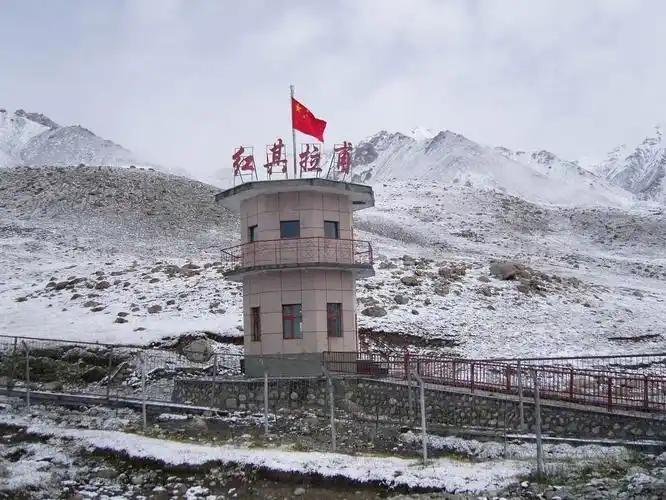
The first time I heard a Tajik eagle bone flute, I was not at a festival at all. It was a June evening in 2018, outside a guesthouse on the edge of Tashkurgan town, and an old man was sitting on a low wall playing three notes over and over while his grandson kicked a football against a fence. The sound is thinner than you expect. It does not soar. It scrapes, slightly, like wind pushed through a narrow gap in a stone wall, which is more or less what the instrument is. That evening sent me back three more times, twice deliberately timed to the county’s eagle culture events, and this Tashkurgan Eagle Festival Guide is built on those trips rather than on a tourism brochure. Tashkurgan sits at roughly 3,100 metres in the Pamirs, about 295 km south of Kashgar along the Karakoram Highway, and it is the only Tajik autonomous county in China.
I want to set one expectation early. This is not a fixed-date event you can book a year ahead like a music festival. Dates move, formats change, and in some years the county runs a large public programme while in others the eagle dance and flute competitions are folded into a smaller cultural week. Plan the trip around Tashkurgan itself, and treat the festival as a strong bonus if the calendar lines up.
Quick Reference
| Item | Detail |
|---|---|
| Location | Tashkurgan Tajik Autonomous County, Kashgar Prefecture, Xinjiang |
| Elevation | County town approx. 3,100 m; nearby passes 4,000 m plus |
| Typical festival windows | Nowruz-linked spring events around 21 March; summer Pamir cultural and tourism programme, commonly late July into August |
| Entry fee | Public festival events are generally free to watch; paid tickets may apply to grandstand seating or specific venues |
| Related paid sites | Stone City and Golden Grassland scenic area, roughly 30 RMB per person in recent seasons |
| Permit | Border area travel permit commonly required for the Karakoram Highway corridor; rules differ for Chinese nationals and foreign passport holders |
| Getting there | Bus or chartered car from Kashgar, 5 to 6 hours; flights via Tashkurgan Khunjerab Airport |
| Time needed | Two nights minimum, three if you want the festival plus Karakul Lake |
What the Festival Is Actually Like
The word festival makes people picture a stage, a schedule board and a queue for tickets. What I found was closer to a county sports day with deep cultural roots. The main ground is an open field with a low perimeter, spectators standing three or four deep, and a public address system that alternates between Mandarin and Tajik at a volume that makes both hard to follow.
Three things carry the event. The first is the eagle dance, performed mostly by men, arms held out and slightly bent, shoulders working in small lifts. It is a restrained dance. Nobody leaps. The whole point seems to be the suggestion of a bird holding a thermal rather than flapping, and once you notice that, it becomes far more interesting to watch than the first thirty seconds suggest.
The second is the eagle bone flute, called nay locally, traditionally made from a wing bone of a large raptor and pierced with three finger holes. Modern replicas in bone substitutes are increasingly common, partly for conservation reasons. Players usually perform in pairs, and the intonation drifts in a way that sounds wrong for about a minute and then stops sounding wrong at all.
The third is horsemanship. Buzkashi, the Central Asian goat-carcass contest played across the region, appears in a Tajik form here, along with horse racing and yak events on some programmes. Standing at the rail during a buzkashi scrum in 2019, I got a face full of frozen dirt and moved back about ten metres, which I recommend. If you want a wider sense of how this fits the provincial calendar alongside Corban, Nowruz and the grape harvest, the Xinjiang Festivals Guide covers the annual cycle in more detail.
One honest note about photography. Tajik families dress formally for these days, women often in the tall embroidered kulta hat with a trailing scarf, and they are used to cameras. That is not the same as consent. I ask, in bad Mandarin, and I have been refused perhaps one time in five. Accept the refusal cheerfully and move on.
How to Get There
Everything in this Tashkurgan Eagle Festival Guide assumes Kashgar as your staging point, because in practice it is. Kashgar has the flights, the hotels, the permit offices and the transport.
By road from Kashgar. The Karakoram Highway, China National Highway 314, runs south from Kashgar through the Ghez Gorge and past Karakul Lake to Tashkurgan. Public buses depart from Kashgar’s international bus station in the morning, fares in the region of 60 to 80 RMB, journey time 5 to 6 hours including checkpoint stops. A chartered car with driver typically runs 800 to 1,400 RMB per day depending on season and vehicle, and during festival weeks drivers know exactly how scarce they are. Book two or three days ahead.
Stopping at Karakul Lake. Almost everyone breaks the drive at Karakul, about 190 km from Kashgar at roughly 3,600 metres, with Muztagh Ata behind it. It is the single best acclimatisation stop on the route and worth an hour even if you are not staying. Practical details on lodging, yurt stays and the shoreline walk are in the Karakul Lake Guide.
By air. Tashkurgan Khunjerab Airport opened at the end of 2022 at around 3,250 metres, with services connecting to Urumqi and Kashgar. Schedules are seasonal and thin, and weather cancellations happen. Flying up from near sea level to 3,250 metres in a single hop also gives your body no time to adjust, so if you fly in, plan a very quiet first afternoon.
Permits and checkpoints. The corridor south of Kashgar is a border area. Chinese domestic travellers generally arrange a border area travel permit, often handled in Kashgar. Requirements for foreign passport holders have changed several times in recent years and are not consistent between the county town, the Karakoram corridor and the Khunjerab Pass itself. Do not rely on a blog post from two years ago, including this one. Confirm with your hotel, a licensed Kashgar agency or the local public security bureau within a week of travel, and carry your passport at all times because you will show it repeatedly.
Best Time to Visit: What This Tashkurgan Eagle Festival Guide Recommends
Spring, March to May. Nowruz falls around 21 March and is the major Tajik celebration of the year, locally known as Shogun Bahar. Expect house visiting, flour-marking on shoulders as a blessing, and music. Snow is still on the ground, nights drop well below freezing, and some higher road sections can close briefly. Rewarding, but demanding.
Summer, June to August. Daytime temperatures in town sit pleasantly in the high teens to mid twenties Celsius, the Golden Grassland is genuinely green, and larger cultural and tourism programmes are usually scheduled in this window. This is also when hotels fill and prices climb.
Autumn, September to October. My personal favourite for the drive. Clear air, sharp views of Muztagh Ata, far fewer domestic tour groups after the National Day week ends. Festival activity is limited, so come for the landscape rather than the events.
Winter, November to February. Harsh. Minus 20 Celsius overnight is normal, some guesthouses close, and the payoff is silence and extraordinary light on the peaks. For most travellers this is a second-visit season.
So, the recommendation. If your priority is the culture, aim for the summer window and start checking announcements in June, because dates are typically published only two to four weeks in advance through county government and local tourism channels. If your priority is comfort and scenery with a chance of smaller cultural performances, choose mid-September. Asking about the best time to visit Tashkurgan Eagle Festival without a confirmed year is a bit like asking when the village wedding is: the answer exists, but only locally and only shortly beforehand.
Where to Stay
Budget. Small guesthouses and family-run inns around the town centre, roughly 120 to 220 RMB for a double in normal season. Heating quality varies enormously and matters more than the room photos suggest. Ask specifically whether hot water runs all night.
Mid-range. Business hotels near the main street, commonly 300 to 500 RMB, with reliable heating, oxygen bottles at reception and staff who can help arrange a driver. This is the sensible default for most visitors.
Upper. A handful of larger properties, including hotels aimed at group tours and government delegations, in the 600 to 1,000 RMB range. During festival weeks I have seen these double, and rooms of any category can sell out entirely. Book early or plan to sleep in Kashgar and make a very long day trip, which I do not recommend at this altitude.
A broader breakdown of neighbourhoods, transport links and what a realistic three-day stay costs is in the Tashkurgan Travel Guide.
Food
Pamir cooking is simple, fatty and well suited to cold air. Portions are large.
- Shir chai, salted milk tea, often taken with crumbled naan. Around 5 to 10 RMB a bowl, and frequently free with a meal.
- Yak meat dishes, usually stewed or hand-torn on the bone. Expect 60 to 120 RMB for a shared plate.
- Polo, the rice pilaf with carrot and mutton found across Xinjiang, 25 to 40 RMB.
- Laghman, hand-pulled noodles, 25 to 35 RMB, the reliable choice when you are tired.
- Naan, 2 to 5 RMB, sold everywhere and the best road snack you will find.
- Yak yoghurt, thick and sour, around 10 RMB, usually eaten with sugar.
Restaurants in Tashkurgan are overwhelmingly halal. Vegetarians will find this difficult beyond noodles, eggs and naan, so carry supplements if you have specific needs.
Practical Tips
- Treat altitude seriously. The town is above 3,000 metres and the drive crosses higher ground. Give yourself a slow first day, drink far more water than feels necessary, and skip alcohol on arrival night.
- Carry your passport in your pocket, not your bag. You will present it at multiple checkpoints on the highway.
- Bring cash. Mobile payment works in most shops, but small stalls at a festival ground and rural drivers sometimes prefer notes.
- Dress in layers even in July. I have worn a down jacket at 07:00 and a t-shirt at 14:00 on the same day.
- Xinjiang officially runs on Beijing time, while local life often follows an informal schedule roughly two hours behind. When someone gives you a time, ask which one they mean.
- Sun protection is not optional. Thin air plus reflected light from snow will burn you in under an hour.
- Charge everything the night before. Power cuts are uncommon but not unknown, and cold drains batteries fast.
- Book your driver before your hotel if travel dates are tight. Vehicles run out before beds do.
Sample Itinerary
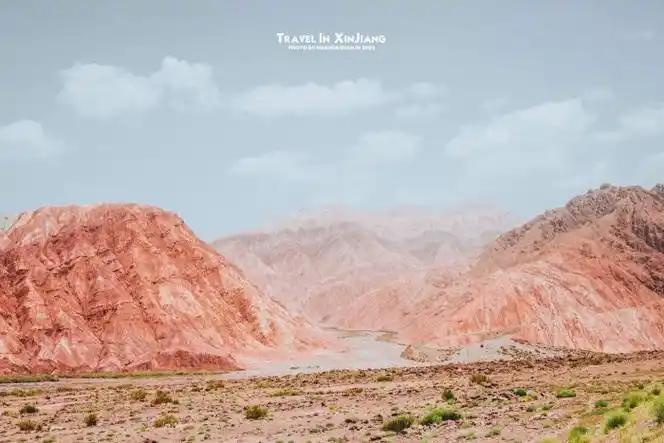
Day 1. 08:30 depart Kashgar by chartered car. 10:30 Ghez Gorge checkpoint and the first red canyon views. 12:30 arrive Karakul Lake, lunch and a slow shoreline walk, no strenuous climbing. 15:00 continue south. 17:30 check in at Tashkurgan, then nothing more demanding than a walk along the main street.
Day 2. 09:00 breakfast, then head to the festival ground early because parking and standing positions go quickly. Morning is usually horsemanship. 12:30 lunch in town. 15:00 return for dance and flute performances. 18:30 walk out to the Stone City boardwalk for late light over the Golden Grassland.
Day 3. 08:00 an early loop of the wetland boardwalk before the tour buses. 10:00 depart north. 13:00 lunch stop at Karakul. 17:00 back in Kashgar in time for the Id Kah Mosque square at dusk.
If you have a fourth day, spend it in Tashkurgan rather than adding a destination. The county rewards slowness, and at this elevation a rushed schedule is a headache waiting to happen.
FAQ
Is the Tashkurgan Eagle Festival Guide date the same every year?
No. Spring events cluster around Nowruz on or near 21 March, while summer cultural and tourism programmes shift year to year and are usually announced only weeks ahead through local channels.
Can foreign passport holders attend?
Foreign travellers do visit Tashkurgan, but border area rules for the Karakoram corridor change and are applied differently at different checkpoints. Verify your own case with a licensed agency in Kashgar shortly before you travel.
Do I need to pay to watch?
Public events have generally been free to watch from the perimeter. Some venues or seated areas may charge, and nearby scenic sites such as Stone City have their own tickets.
How bad is the altitude?
Most healthy visitors feel a headache and shortness of breath for the first day at 3,100 metres. Ascending gradually by road helps considerably. Anyone with heart or lung conditions should take medical advice before going.
Are real eagle bones still used for the flutes?
Traditional instruments were made from raptor wing bones, but protected species legislation means many modern flutes use substitute materials. Do not attempt to buy or export anything made from a protected animal.
Is one night enough?
Technically yes, practically no. Two nights lets you acclimatise, see a full festival day and drive back without rushing the mountain road in the dark.
Tashkurgan works best as the southern anchor of a wider Xinjiang Itinerary that starts in Kashgar and runs up the Karakoram Highway, and if you are still deciding how to sequence the province as a whole, the broader Xinjiang travel guide section sets out the standard routes and how many days each realistically needs.
Disclaimer
Prices, opening hours, permit rules and festival dates in this Tashkurgan Eagle Festival Guide reflect my own visits and research as of July 2026, and every one of them can change without notice. Border area regulations in particular are revised frequently and are enforced at the discretion of local authorities. Verify current requirements with official Chinese government sources, your embassy or a licensed local agency before you travel. Nothing here should be treated as a guarantee of entry, availability or cost.