

Published: 2026-07-29 | Author: Karl Huang
A Xinjiang Shopping Guide only earns its keep if it tells you what things actually cost and when the stalls are open. I learned that the hard way on a Tuesday in September 2023. I was standing at the south gate of the International Grand Bazaar in Urumqi around 11 in the morning, watching a vendor weigh green raisins on a brass scale. He quoted 38 yuan for 500 grams, then dropped to 30 the moment I turned to leave. That one transaction taught me more about shopping here than any guidebook had.
Since then I have shopped my way across the region: the jade stalls of Khotan, the carpet workshops outside Kashgar, the Sunday livestock market at Yardang, and the dried-fruit alleys of Erdaoqiao. Prices move with the season and the tourist count, but the patterns are steady enough to plan around. This guide collects the details I wish I had on day one.
Quick Reference
| Place | Entry fee | Best time to go | What it is |
|---|---|---|---|
| International Grand Bazaar, Urumqi | Free | May to October, mornings | Largest covered market in the city; carpets, dried fruit, knives |
| Kashgar Old City Sunday Market | Free | Sunday, 07:00 to 13:00 | Livestock, textiles and handicraft hub of the south |
| Khotan (Hetian) Jade Market | Free | Year round, afternoons | Rough and polished nephrite jade, the region’s signature stone |
| Erdaoqiao Bazaar, Urumqi | Free | April to November | Wholesale dried fruit, nuts and spice alley |
| Yining (Gulja) Bazaar | Free | Weekends, summer | Kazakh and Hui foodstuffs, dairy and felt goods |
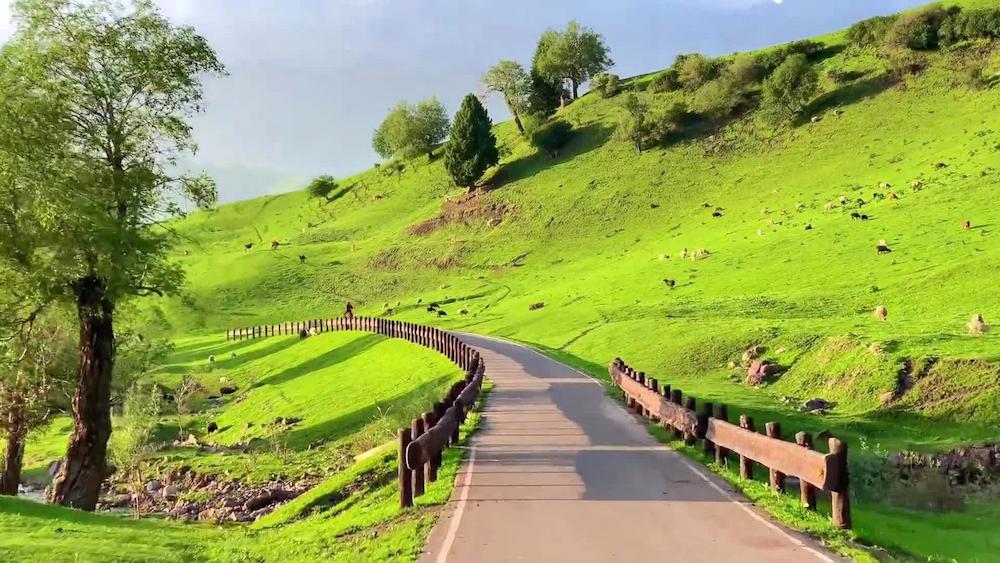
Xinjiang Shopping Guide: Best Bazaars by City
Urumqi is the easy starting point. The International Grand Bazaar sits on Jiefang South Road and opens at roughly 10:00, with most stalls packing up by 20:00. It is touristy, but the range is unbeatable: I counted eleven carpet shops on the upper floor alone. Kashgar is the deeper experience. Its old city twists into lanes where Uyghur craftsmen hammer copper and stitch hats by hand. The big Sunday market, held a few kilometers out toward Shufu, runs only until early afternoon, so you have to be an early riser.
Down south, Khotan built its reputation on jade. The riverbeds east of town still yield small stones, and the city market sells everything from polished pendants at 50 yuan to carved boulders priced in the thousands. In the Ili valley, Yining’s weekend bazaar leans toward food: smoked horse sausage, dried curds, and the kind of honey you will not find in a supermarket.
First-Person Experience
My best bargaining day was in Kashgar in October 2024. I wanted a wool-on-cotton rug about 1.2 by 1.8 meters. The first shopkeeper asked 1,800 yuan. I walked the lane, found three more, and came back offering 900. We settled at 1,150 after he threw in a small felt coaster. The lesson stuck: the first price is a conversation, not a verdict.
At the Khotan jade market I once paid 120 yuan for a palm-sized polished stone that a friend later identified as decent nephrite, not the plastic some vendors pass off. I learned to carry a small flashlight and to buy only from stalls with a steady local crowd. Tourists get the inflated tag; locals get the real one.
For everyday food shopping, Erdaoqiao beat every supermarket. A kilogram of Almond-style apricot kernels ran 45 yuan, and a bag of red sultanas was 28 yuan for 500 grams. The vendors there weigh in front of you, which removes most of the worry about short measures.
How to Get There
Urumqi is the rail and air hub. Flights from Beijing take about four hours; the high-speed rail from Xi’an reaches Urumqi in roughly 13 hours. From Urumqi, Kashgar is a two-hour flight or a 24-hour train ride on the rebuilt southern line. Khotan sits about 500 kilometers southeast of Kashgar, reachable by an afternoon train or a short domestic flight. Yining is best reached by air from Urumqi or by the scenic rail through the Tianshan, which takes close to 10 hours.
Within each city, markets are central and cheap to reach. In Urumqi, bus 10 or a 15-yuan ride-hail gets you to the bazaar from most hotels. In Kashgar, a taxi from the old city to the Sunday market costs 10 to 15 yuan.
Best Time to Visit
Spring (April to May) is quiet and prices soften before the summer rush. Summer (June to August) brings the fullest stalls and the liveliest atmosphere, but also the highest quotes and the biggest crowds. Autumn (September to October) is my pick: the fruit is fresh off the trees, the weather is comfortable, and vendors are eager to clear stock before winter. Winter (November to March) is slow; some outer stalls close, though the Grand Bazaar and jade market stay open year round.
If your goal is one specific market, time it to the week. Kashgar’s Sunday market is exactly that, Sunday only. Yining’s best food stalls appear on weekends. Plan the rest of your route around those fixed dates rather than the other way around.
Where to Stay
Budget travelers can find hostels and basic hotels near Urumqi’s bazaar for 120 to 200 yuan a night. In Kashgar, the old-city guesthouses run 150 to 260 yuan and put you steps from the crafts lanes. Mid-range visitors should expect 300 to 500 yuan for a solid three-star with heating and reliable Wi-Fi. Upper-end hotels in both cities, including international chains near the Urumqi airport, start around 600 yuan and climb past 1,000 for suites. Staying within walking distance of a market saves you the evening taxi hunt and lets you shop at opening time. To plan costs before you book, our Xinjiang Budget Travel Guide breaks down nightly rates by city.
Food
Shopping and eating overlap at every Xinjiang market. At the bazaar you will find naan baked in communal ovens for 3 to 5 yuan a piece, sometimes stamped with onion or sesame. Samsa, the baked meat pastry, sells for 6 to 10 yuan each from the cart outside the carpet hall. A plate of hand-pulled laghman noodles with vegetables costs 18 to 28 yuan at a market-side canteen.
Dried fruit is the souvenir most people actually finish. Figs from Toksun run 40 to 60 yuan per kilogram, apricots 30 to 50, and the famous seedless white grapes 25 to 40. For a fuller picture of what to eat while you shop, see our Xinjiang Food Tour Guide. Pack a few sealed bags if you plan to fly home; airport security in China accepts commercial vacuum packs without trouble.
Practical Tips
- Carry small bills. Many stallholders cannot break a 100-yuan note during the morning rush, and cash still beats cards in the older lanes.
- Ask the price at three stalls before you buy. The spread between the highest and lowest quote is often 40 percent.
- Bring a phone with a translation app and a small flashlight for jade. Light reveals cracks and dye that the eye misses.
- Weigh dried fruit yourself on a market scale if one is provided, then compare to the vendor’s.
- Ship heavy carpets home through the post office inside larger bazaars; a 5-kilogram rug costs roughly 80 to 140 yuan to mail within China.
- Keep your bargaining friendly. A joke and a smile closed more deals for me than a hard stance ever did.
For day-to-day costs and payment methods, our Xinjiang Money and Currency Guide covers cards, mobile pay and tipping, and lays out realistic daily figures across cities.
Sample Itinerary
Day 1, Urumqi: Arrive, check in near the bazaar, walk the Grand Bazaar after 11:00, buy dried fruit and a small knife.
Day 2, Urumqi: Morning at Erdaoqiao for wholesale nuts, afternoon museum and jade window-shopping.
Day 3, fly to Kashgar: Settle in the old city, scout craft lanes in the evening light.
Day 4, Sunday: Up at 07:00 for the livestock market, back for carpets by 10:00, lunch on samsa.
Day 5, Khotan: Morning flight, jade market until mid-afternoon, mail home any heavy stone.
Day 6, Yining (if time): Weekend bazaar for dairy and honey, then fly out via Urumqi.
FAQ
Is bargaining expected at Xinjiang markets?
Yes, almost everywhere except fixed-price supermarkets. Start at about 60 percent of the first quote and settle somewhere in the middle. Walk-aways work better than arguments.
What is worth the luggage weight?
Wool carpets, dried fruit, sealed nut mixes, and small jade pieces travel best. Fresh naan goes stale in two days, so eat it on the spot.
Can I use Alipay or WeChat Pay?
In Urumqi and Kashgar city centers, yes, at larger stalls. In rural markets and the Sunday livestock ground, cash is safer. Link a foreign card before you arrive, or carry yuan.
Are the markets open in winter?
The Grand Bazaar, jade market and city food bazaars stay open year round. Outdoor craft lanes thin out, and some Kashgar side stalls close after November.
How do I avoid fake jade?
Buy from busy local stalls, use a flashlight to check for dye lines, and avoid deals that feel too clean. A 50-yuan pendant is usually genuine but small; a 50-yuan “imperial green” boulder is not.
Is it safe to ship purchases home?
Yes. The post counters inside the big bazaars handle international and domestic parcels. Carpets roll and wrap on site, and you get a tracking number before you leave the counter.
Disclaimer
Prices, market hours and stall locations change. The figures above reflect what I paid or was quoted between 2023 and 2025, and they shift with season, exchange rates and local rules. Always confirm the current rate and any permit or customs limit with official sources before you buy or ship high-value goods such as jade or antique-look items. This guide shares personal experience and is not a substitute for checking with vendors and local authorities on the day of your visit.