

Published: 2026-07-28 | Author: Karl Huang
When I sat down to update this Xinjiang Money and Currency Guide, I was thinking about a Canadian couple I helped in Kashgar last September. They had landed with 400 US dollars in cash and a card their bank had promised would work everywhere. It did not work at the first three ATMs. The fix took us two hours and a walk to a Bank of China branch on Renmin Road. That afternoon taught me more about payments in this region than any brochure. Xinjiang runs on the Chinese yuan, and the practical details matter far more than travelers expect.
On my own trips I now keep a simple rhythm. I land in Urumqi, withdraw 2,000 RMB from a Bank of China ATM inside the airport arrivals hall, link Alipay within ten minutes, and carry a spare 500 RMB in small bills for the places that still prefer cash. This Xinjiang Money and Currency Guide walks through exactly how that works, with numbers from real trips rather than guesses.
Xinjiang Money and Currency Guide: The Essentials
Before the details, three facts shape every payment decision here. The currency is the renminbi, written as RMB or ¥. Mobile pay (Alipay and WeChat Pay) covers most urban spending. Cash still rules in rural counties, at toilets, and on the southern road toward the Pamir Plateau. Hold all three and you will rarely stall.
Quick Reference
| Item | Detail |
|---|---|
| Location | Xinjiang Uyghur Autonomous Region, northwest China |
| Currency & Fees | Renminbi (¥/RMB); foreign-card ATM fee about 10 to 15 RMB; bank exchange usually free |
| Best Time | Year-round; avoid National Day (Oct 1 to 7) when bank and ATM queues stretch long |
| Role | Backbone of daily payments, transport tickets, and remote border permits |
My First Week Using This Xinjiang Money and Currency Guide
I still remember the small shock of my first night in Urumqi. I had booked a hostel online, but the noodle shop next door wanted cash, and the taxi from the station had no card reader. A bowl of laghman with lamb cost 26 RMB. The taxi meter read 18 RMB. I paid both in notes I had exchanged at the airport. It felt old-fashioned until I realized how common it still is outside the big city centers.
A week later in Kashgar, the pattern flipped. I scanned a QR code taped to a fruit stall and paid 9 RMB for a kilo of seedless grapes using WeChat Pay. The vendor never touched my phone. The same evening, a guesthouse in the old city took Alipay without a hitch. The mix of paper money and phone payments is the real Xinjiang, and learning to switch between them keeps a trip smooth.
The border regions changed the rules again. On the road toward Tashkurgan, card machines and mobile signal both thin out. I needed cash for the permit office and for small teahouses. That trip convinced me to always hold at least 300 RMB in 10- and 20-yuan notes before heading south. A friend who ignored this advice once walked three kilometers back to town because a fuel station would not take his foreign card.
How to Get There (and Get Your Money Ready)
Most travelers enter Xinjiang by air into Urumqi Diwopu International Airport (code URC) or by train into Urumqi Station. Both have Bank of China and ICBC ATMs in the arrivals area. I pulled 2,000 RMB at 2:50 pm on a Tuesday and the machine gave me a mix of 100- and 50-yuan notes. From Urumqi you can reach Kashgar by the overnight train (soft sleeper around 580 RMB) or a two-hour flight (often 700 to 1,100 RMB depending on season).
If you arrive overland from Central Asia through the Irkeshtam or Khunjerab crossings, there is no ATM at the border. Exchange your money in the last town with a bank branch, or in Kashgar before you leave. I learned this the hard way near Taxkorgan, where the only exchange was a hotel desk with a poor rate. This Xinjiang Budget Travel Guide explains how those border costs fit into a wider daily spend.
For currency before you fly, order RMB at your home bank or withdraw on arrival. Airport exchange counters in major Chinese hubs like Beijing and Shanghai also stock yuan. Avoid exchanging at the Xinjiang border towns unless you must, because the rates there are weak and the staff may not speak English.
Best Time to Visit
Money-wise, Xinjiang is open all year, but the calendar changes how you handle cash. Spring (April to May) brings mild weather and short bank queues. Summer (June to August) is peak season; ATMs in tourist towns like Burqin and Turpan can run low on cash on weekends, so withdraw midweek. Autumn (September to October) is the best window for both weather and payments, though the National Day holiday from October 1 to 7 clogs every bank branch. Winter (November to March) is quiet and cheap, with empty roads and no queues, though some mountain towns close lodging.
When planning the best time to visit Xinjiang money and currency, aim for September. The exchange offices are calm, mobile pay works everywhere, and you can still find cash when you need it for the high passes. If you must come in October, do it after the 7th. A Xinjiang travel guide category page lists the seasonal articles that pair with these payment tips.
Where to Stay
Budget travelers will find hostels and guesthouses from 60 to 120 RMB a night. I stayed at a family-run place in Yining for 85 RMB and paid by WeChat. Mid-range hotels in Urumqi and Kashgar run 220 to 400 RMB and almost always take cards or Alipay. Upper-end options near Heavenly Lake or in the Silk Road resorts start around 700 RMB and often require a card hold at booking.
One tip from experience: in smaller towns, call ahead and ask if they take phone pay. A nice hotel in Aksu once told me yes online but the reader was down, and I settled the 260 RMB bill in cash at checkout. Keep a card as backup even when a hotel claims to take everything.
Food
Eating is where small bills earn their keep. A plate of polo (rice with carrot and lamb) costs 15 to 25 RMB at a street stall. Samsa, the baked meat pastry, runs 5 to 8 RMB each. A proper hand-pulled ban mian with beef was 22 RMB in Korla. Sit-down restaurants with cold beer and grilled mutton skewers (3 RMB per skewer) run 50 to 90 RMB per person.
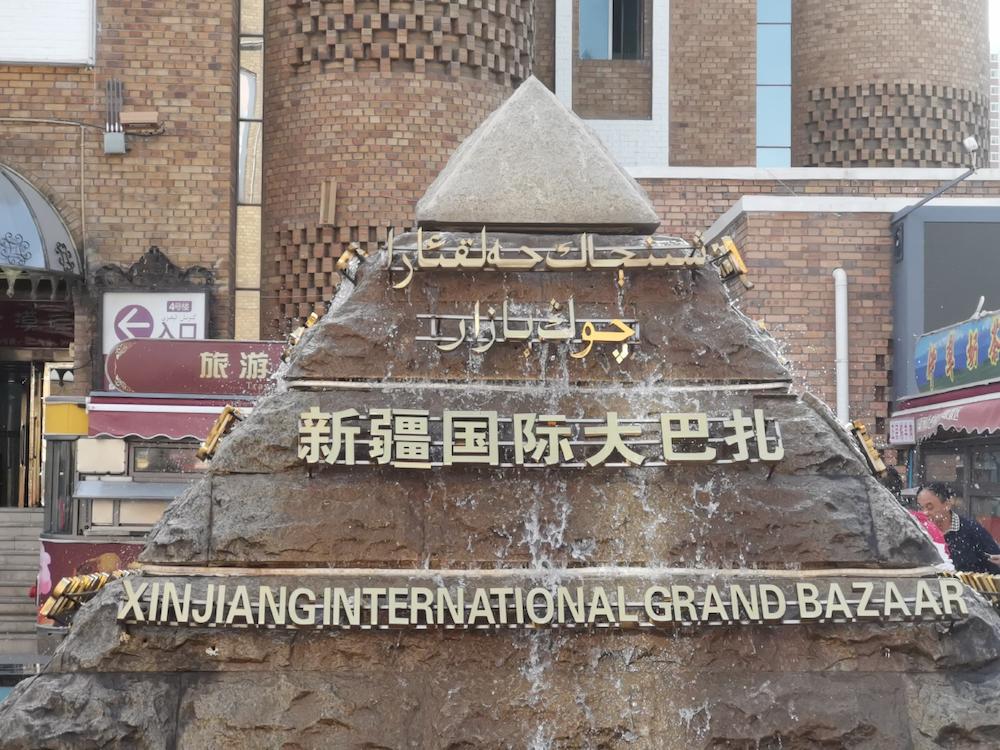
At the International Grand Bazaar in Urumqi, I paid 6 RMB for fresh nan bread and 30 RMB for a box of dried figs, both by scanning a stall QR code. Keep 1- and 5-yuan coins for public toilets (usually 1 to 2 RMB) and for the occasional bike parking fee. Market vendors love exact change, so break a 100-yuan note at a busy shop early in the day.
Practical Tips
- Link Alipay before you leave home. The Tour Pass card took me six minutes to set up with a passport scan, and it worked at every metro and most shops.
- Carry at least 300 RMB in small notes for border towns, toilets, and stalls without signal.
- Tell your bank your travel dates so your card is not frozen after the first ATM pull.
- Use Bank of China or ICBC ATMs; they gave me the best rates and English menus on my last three trips.
- Keep a backup card on a different network (Visa and Mastercard) in case one is declined.
- Refuse help from strangers at ATMs offering to exchange money; use the bank counter instead.
- Download offline maps and note the Xinjiang SIM Card and WiFi Guide so you can load Alipay even where the counter wifi is slow.
Sample Itinerary
A payment-smart five-day loop:
- Day 1 (Urumqi): Land, withdraw 2,000 RMB, set up Alipay. Dinner at the bazaar, 40 RMB by scan.
- Day 2 (Turpan): Train south, pay 58 RMB for the Jiaohe Ruins ticket by Alipay. Buy grapes with cash.
- Day 3 (Kashgar): Fly in, exchange nothing, pay guesthouse 180 RMB by WeChat. Walk the old city.
- Day 4 (Tashkurgan road): Withdraw 500 RMB cash in Kashgar first; permit office and teahouses take notes only.
- Day 5 (return): Settle the last taxi in Urumqi, 18 RMB, and keep 100 RMB spare for the airport bus.
FAQ
Can I use US dollars in Xinjiang?
Almost never. Shops, hotels, and trains want RMB. Exchange dollars at a bank in a city before you travel to remote areas.
Does Alipay work for foreign visitors?
Yes. The Tour Pass or the international Alipay app links a foreign card and works at most urban merchants. I used it daily in 2025 without trouble.
Are credit cards accepted?
At large hotels and some chain stores, yes. Smaller guesthouses, stalls, and rural sights take cash or phone pay. Do not rely on plastic outside the cities.
How much cash should I carry?
I keep 300 to 500 RMB in small bills for places without signal, plus a card for the rest. That balance handled two weeks on the road.
Can I use WeChat Pay without a Chinese bank account?
The international version links a foreign card, similar to Alipay. It covered my small purchases in Kashgar and Yining without issue.
Is tipping expected?
No. Tipping is not a local custom, and adding a tip can confuse a cashier used to exact change. For permit and border questions, read the Xinjiang Visa and Permit Guide before you head south.
Disclaimer
Prices, exchange rates, ATM fees, and the rules for mobile payment change. The numbers above come from my own trips through 2025 and may differ when you travel. Bank policies, app requirements, and border permit fees shift without notice. Always confirm current rates and requirements with official sources, your bank, and the app providers before you rely on any figure here.