

Published: 2026-07-28 | Author: Karl Huang
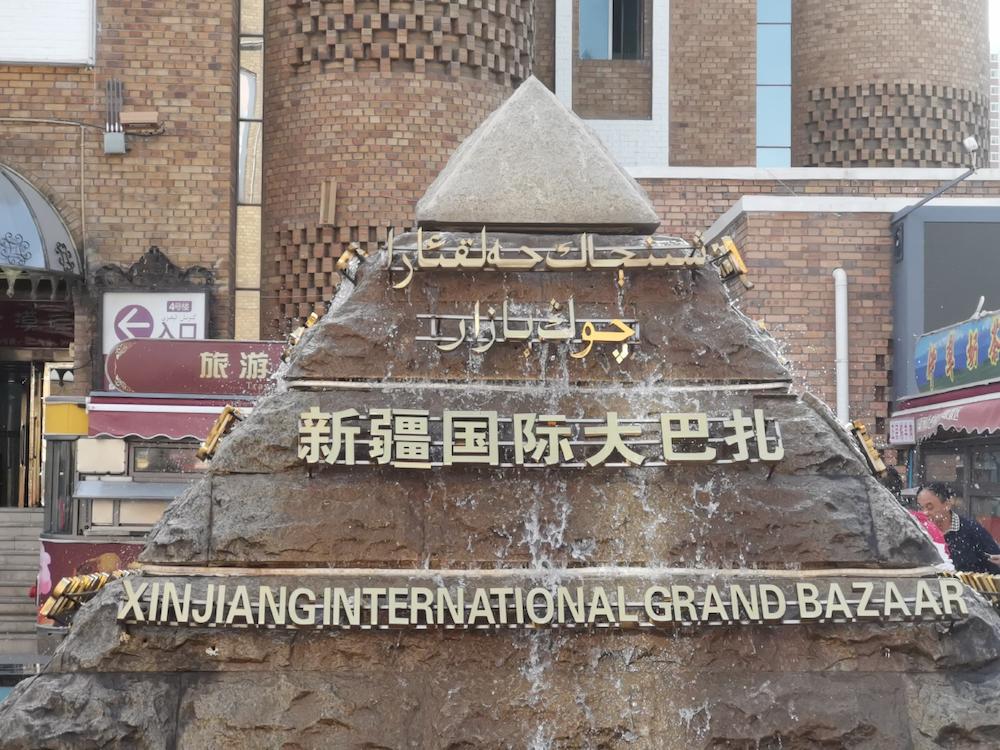
My Xinjiang Language and Phrases Guide began as a ragged list scribbled on the 9:40pm overnight train from Urumqi to Kashgar in the spring of 2019. I had just handed over 38 RMB for a bowl of laghman at a station stop and could not say the word for “spicy” or “the bill.” Four trips later, after paying 120 RMB for a secondhand Uyghur phrasebook in the International Grand Bazaar and trading language lessons with a baker named Abliz near the Id Kah Mosque, I can order breakfast and read most market signs. This guide collects the phrases that earned me a real reaction, not the classroom lines nobody speaks.
Quick Reference
| Language | Where You’ll Hear It (Location) | My Cost to Learn (Fee) | Best Time to Practice | Role on Your Trip |
|---|---|---|---|---|
| Mandarin (Putonghua) | Every city, station, and hotel | Free apps; 45 RMB phrasebook | Year-round | Default fallback everywhere |
| Uyghur | Kashgar, Hotan, Turpan, Urumqi old town | 120 RMB used book; free language swaps | April to October | Opens family homes and stalls |
| Kazakh | Yining, Zhaosu, Altay, Tacheng | Free with locals; 60 RMB app | June to September | Pasture and yurt invitations |
| Kyrgyz / Tajik | Kizilsu, Tashkurgan on the Pamir | Free; village stays only | May to September | Permit areas, warm welcome |
Why I Built This Xinjiang Language and Phrases Guide
The first time I tried to buy a phone SIM in Yining, the clerk slid a form across the counter and said something in Kazakh I did not catch. I pointed at my passport and smiled like a tourist who had skipped every lesson. She switched to Mandarin, then to slow Mandarin, and we finished in under a minute. That small fumble taught me more than any app: people in Xinjiang switch languages to help you, but a few words in their own tongue changes the whole mood.
On a later trip I stayed with a family in a Kashgar courtyard. The grandmother, Gulnar, spoke no Mandarin. When I managed “Rahmet” (thank you) and “Taza” (clean) while clearing the table, she laughed and fed me an extra piece of samsa. That is the return on a language guide. Not fluency. Just enough to be a guest instead of a stranger.
If you want the broader picture before you fly, our Xinjiang travel guide hub covers routes, permits, and season planning. Language is one slice of a long trip, and it works best once the logistics are sorted.
How to Get There
You reach the languages by reaching the regions where they live. Uyghur surrounds you in Kashgar, where the old city streets fill with “Yaxshimusiz” by mid morning. Fly into Kashgar Airport (KHG) from Urumqi on a 2.5 hour flight that cost me 980 RMB in May, or take the 24 hour train if you want to practice Mandarin with fellow passengers.
Kazakh dominates the Ili Valley. The bus from Urumqi to Yining runs about 10 hours and drops you where the morning market runs in two languages at once. For Kyrgyz and Tajik, you head south to Tashkurgan on the Karakoram Highway; that road needs a border permit, so read the Xinjiang visa and permit guide before you commit to the drive.
Inside each city, the cheapest practice is a language exchange. Urumqi has a cafe near Hongshan that hosts a Sunday meetup; I paid nothing but a 22 RMB coffee and left with three new friends and a notebook of corrections.
Best Time to Visit
Spring (March to May) is quiet and cheap. Markets are calm, hosts have time to talk, and a wrong phrase gets a patient smile instead of a queue behind you. This is the season I recommend for first-time language learners. This Xinjiang Language and Phrases Guide is easiest to use in spring, when stallholders have time to coach you instead of serving the next customer.
Summer (June to August) brings festivals and full stalls. More people means more chances to listen, but also more noise and faster speech. Autumn (September to October) is the sweet spot for food talk, with grape and melon harvests in Turpan.
Winter (November to February) is the low season. If you ask me the best time to visit Xinjiang language and phrases classes, I point to November and March, when guesthouses are empty and owners will sit with you for an hour over tea.
My clear recommendation: plan your first language trip for late April or early September, when the weather is kind and the pace is human.
Where to Stay
Budget travelers should look at old-town homestays. In Kashgar I paid 180 RMB a night for a courtyard room where the family ate with me and corrected my Uyghur between bites. Mid range means a clean business hotel near the train station, roughly 320 to 450 RMB, with front-desk staff who speak solid Mandarin. Upper tier gets you a renovated silk-road hotel around 700 RMB with bilingual concierge and a breakfast spread you can name in three languages.
The homestay beats the hotel for learning every time. You trade privacy for phrases, and the trade is worth it.
Food
Ordering is where phrases pay off fastest. A sesame naan at the Kashgar morning market costs 3 RMB if you greet the seller first and 4 RMB if you point in silence. Laghman runs 15 to 25 RMB; say “Achchiq bolmisun” (not too spicy) and you avoid the bowl that made me sweat through a shirt in Turpan.
Try these dishes and the words that unlock them:
- Polo (pilaf) with lamb, about 18 RMB, order it “Bir polo.”
- Samsa from the tandoor, 5 RMB each, ask “Nechche pul?” (how much).
- Chuchvara (dumplings), 20 RMB, praise it with “Bek muza” (very good).
- Doujiang (soy milk) and youtiao near the station, 8 RMB, pure Mandarin territory.
For a full eats plan, our Xinjiang food tour guide maps the dishes by city and tells you what to say at each counter. This Xinjiang Language and Phrases Guide began with food words, and they remain the fastest way to win a smile at any counter.
Practical Tips
Keep this Xinjiang Language and Phrases Guide pinned to your phone home screen during the first week, then let these six habits take over.
- Download a Uyghur keyboard before you land. Typing aids memory and lets you show written words to vendors who miss your accent.
- Learn numbers one to ten in the local tongue first. Prices are where most conversations start and end.
- Carry a small paper phrasebook as backup. My phone died on the Pamir and the book saved a long, silent taxi ride.
- Record native speakers with permission. A 20 second voice memo of “Nechche pul” from a real Kashgar seller taught me more than a recording app.
- Match the greeting to the face. Uyghur, Kazakh, and Mandarin each open different doors, and guessing wrong is fine as long as you smile.
- Tip your language exchange hosts with patience, not money. Buying the next round of tea counts more than a tip.
Sample Itinerary
A language-focused day in Kashgar, built from my last visit:
- 07:00 Wake and walk to the corner naan stall. Greet in Uyghur, buy two for 6 RMB.
- 09:00 Id Kah Mosque square. Listen to vendors, try “Rahmet” after each small purchase.
- 12:30 Lunch at a family canteen. Order laghman in Uyghur, ask for less spice.
- 15:00 Cafe language exchange. Trade English for Uyghur with a student named Mirzat.
- 19:00 Homestay dinner. Help set the table, use “Taza” and “Bek muza.”
- 21:00 Night market. Count prices aloud with the grill cook, buy mutton skewers at 3 RMB each.
FAQ
Do I need to speak Uyghur to travel Xinjiang?
No. Mandarin gets you through stations, hotels, and tours. Uyghur, Kazakh, or Tajik simply turn transactions into conversations, and they matter most in villages and old-town homes.
Is Mandarin enough on its own?
In city centers, yes. In rural Kashgar, the Pamir, or a Kazakh pasture, Mandarin may fail you and the local language or a translation app becomes your only bridge.
What script is Uyghur written in?
A modified Arabic script, read right to left. You do not need to read it to speak, but recognizing “ASHXANA” (restaurant) on a sign saves time.
Are translation apps reliable offline?
They work for single words but mangle politeness and tone. Download language packs before you lose signal on the Karakoram Highway. Pair the app with the phrases here.
Can I learn a few phrases before flying?
Yes, and you should. Spend one evening on greetings, numbers, and “thank you” in Uyghur and Kazakh. That small set earned me free tea in Tashkurgan and a discount on naan in Hotan.
Where should I base myself to practice?
Kashgar for Uyghur, Yining for Kazakh, Tashkurgan for Pamiri languages. The Urumqi travel guide explains the hub flights that connect all three.
Disclaimer
Prices, permits, and opening hours in this guide reflect what I paid and saw on trips between 2019 and 2025. Xinjiang adjusts border rules, SIM rules, and market hours without notice. Verify current permit and language-class details with official sources and your hotel before you travel. Treat every price here as a recent example, not a fixed rate.