

Published: 2026-07-28 | Author: Karl Huang
I landed at Urumqi Diwopu International Airport (URC) on May 4, 2023, on a China Southern flight from Shanghai that cost me ¥1,980 round trip. My plan looked simple on paper but was ambitious in practice: spend thirty days driving a full loop through both northern and southern Xinjiang. I rented a Toyota Land Cruiser from a small agency near the airport for ¥480 per day, plus fuel at about ¥1.2 per liter. My driver, a wiry man from Qitai named Lao Ma, had driven the Duku Highway more than two hundred times. This Xinjiang 30-Day Itinerary is the route we actually followed, with the costs and timing I logged each evening in a worn notebook.
Quick Reference
Use this table as a snapshot before you read the full plan. Figures are what I paid in spring 2023; they shift with the season and the exchange rate.
| Region / Stop | Entry Fee (2023) | Best Time | Role in the Trip |
|---|---|---|---|
| Urumqi & Heavenly Lake | ¥95 (lake shuttle) | May to September | Arrival hub, first highland stop |
| Kanas & Hemu (north) | ¥185 (3-day pass) | September to October | Forest, lakes, wooden villages |
| Ili Valley (Nalati, Bayinbuluke) | ¥95 – ¥140 | June to August | Grasslands and the nine bends |
| Kashgar Old City | Free entry | April to October | Southern gateway, culture core |
| Pamir Plateau (Tashkurgan) | Border permit, free | May to September | Highest drive, Muztagh Ata views |
My Thirty Days on the Road
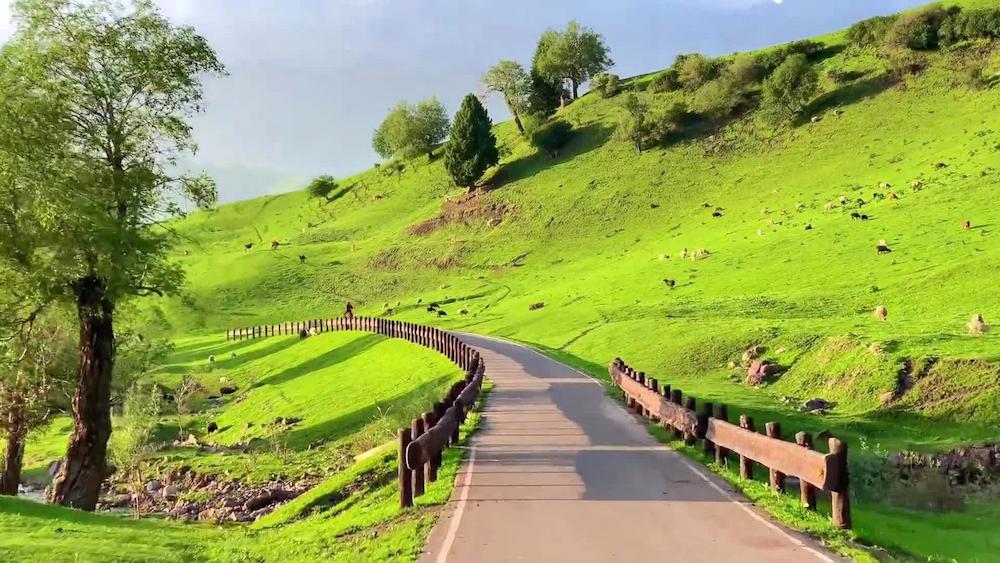
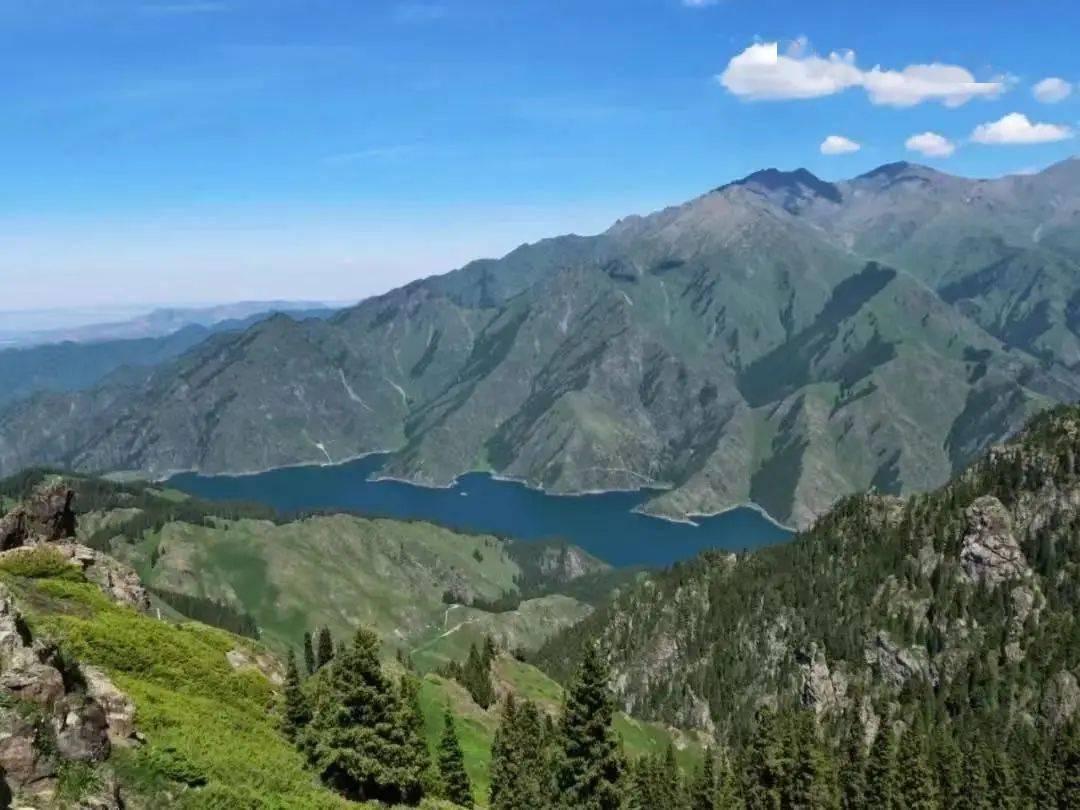
The first week taught me that a Xinjiang Itinerary of this length lives or dies on logistics, not sights. We left Urumqi at 7:40 a.m. on day two and reached Heavenly Lake before the 9:30 tour buses. The water was still and cold, and the cable car line that would later stretch for an hour was empty. That single timing choice set the tone: start early, drive moderate distances, and never book a hotel for the same night you cross a major pass.
By day nine we were in Kanas. I paid ¥320 for a timber cabin in Hemu Village, woke at 5:50 a.m. to photograph the morning haze, and ate hand-pulled noodles for ¥18 at a stall run by a woman who only accepted cash. The 30-day format let us stay two nights instead of rushing, and that patience is the whole point of a long loop. Most short tours blow through Hemu in three hours.
The hardest stretch of my Xinjiang 30-Day Itinerary was the Duku Highway in the third week. It was still closed for the season when we first reached the northern gate on May 28, so we detoured via Korla and re-attempted from the south on June 1, the day it opened. Lao Ma called the gate keeper, confirmed the 11 a.m. opening, and we were the sixth vehicle through. Snow lined the road at the 3,400-meter pass. A month-long plan absorbs these delays. A ten-day plan would have broken.
How to Get There
Most travelers fly into Urumqi (URC). Direct flights run from Beijing (¥1,450 one way in May), Xi’an (¥980), and Chengdu (¥1,120). I flew China Southern from Shanghai for ¥1,980 round trip. From Urumqi you have two real options for a 30-day loop.
Self-drive is the better choice for this length. I rented through the Xinjiang Self-Driving Guide approach: a 4WD with unlimited mileage, ¥480 per day, plus about ¥1,400 in total fuel across the month. An International Driving Permit is not valid in China, so most foreign visitors hire a car with a local driver, which runs ¥700 to ¥900 per day including the driver.
Train is possible but slows a month-long route. The Urumqi to Kashgar overnight soft sleeper costs ¥640 and saves a long southern drive, but you lose the Pamir detour flexibility. I used the train once, for the return from Kashgar to Urumqi on day twenty-nine, and slept well for the first time in weeks.
Best Time to Visit
Xinjiang has four sharp seasons, and a Xinjiang 30-Day Itinerary can catch two of them if you travel in late spring or early autumn. This is the core of any Best Time to Visit Xinjiang Guide advice, adapted for a month on the road. Most Xinjiang travel guide books skip the logistics that matter on a trip this long.
Spring (April to May) opens the south: Kashgar, the Taklamakan edge, and Hotan are warm and clear. The north is still cold and some passes are shut. Summer (June to August) is green in Ili and warm across the board, but Urumqi and Turpan get hot, often above 38°C in Turpan. Autumn (September to October) is the standout for the north, when Kanas turns gold and the crowds thin after the National Day holiday on October 7.
My clear recommendation for this Xinjiang 30-Day Itinerary is to start in late May. You catch spring in the south, summer grasslands in Ili, and arrive in Kanas for early October gold. That is the best time to visit xinjiang 30-day itinerary window I used, and it worked without a single weather cancellation.
Where to Stay
On a Xinjiang 30-Day Itinerary, budget stays ran me ¥180 to ¥320 per night: Hemu cabins (¥320), Kashgar old-city guesthouses (¥260), and basic Turpan inns (¥180). These are clean, family-run, and often include breakfast of naan and tea.
Mid-range hotels cost ¥380 to ¥550. I used these in Urumqi (¥480 for a central business hotel) and Yining (¥420). They had elevators, reliable hot water, and English-friendly front desks, which matters after three weeks of rural stops.
Upper-tier stays were rare but worth it twice: a ¥680 lake-view room in Urumqi on the first night, and a ¥900 resort near Bayinbuluke with heated floors after a freezing pass crossing. For a month-long trip, one or two comfort nights reset your energy better than thirty identical budget rooms.
Food
Food on a Xinjiang 30-Day Itinerary is meat-and-carb heavy, and it is cheap if you eat where locals eat. Big plate chicken (大盒鸟, da pan ji) for two costs ¥68 with wide belt noodles added for ¥10. Laghman (hand-pulled noodles) is ¥28 to ¥35. Mutton skewers run ¥5 each, and I ate six most nights in Kashgar’s night market.
In Urumqi I had samsa (baked pastries) at the International Grand Bazaar for ¥6 each and fresh naan for ¥3. In Hotan, a full bowl of yutazi (steamed rice with lamb and carrots) was ¥22. The most expensive single meal was a ¥240 lamb hotpot for four in Yining, washed down with locally brewed beer at ¥12 a bottle. A realistic food budget is ¥120 to ¥160 per day per person, more if you drink.
Practical Tips
The six points below were the backbone of my Xinjiang 30-Day Itinerary, and I would not skip any of them once the route left the cities.
- Get the Pamir border permit in Kashgar three days before you need it. It is free with your passport but closes on weekends, and the Tashkurgan trip is the highlight of the south.
- Carry ¥2,000 in cash. Hemu, Baihaba, and small Ili towns still run on paper money, and the nearest ATM can be 80 kilometers away.
- Book nothing on the day you cross a 3,000-meter pass. Weather and road openings shift hourly, and a fixed hotel forces a dangerous night drive.
- Download offline maps. Signal dies for long stretches on the Duku Highway and across the Taklamakan fringe. I used a saved map and a power bank daily.
- Sleep on the train at least once. A 30-day trip wears you down; the Urumqi–Kashgar sleeper gave me the only full night of rest in the whole month.
- Start every sightseeing day before 9 a.m. The difference between an empty Heavenly Lake and a packed one is ninety minutes.
Sample Itinerary: My Xinjiang 30-Day Itinerary Day by Day
The shape of my Xinjiang 30-Day Itinerary was this day-by-day loop, trimmed from the notebook. Use it as a skeleton, not a contract, since road openings decide the middle weeks. A shorter plan like the 21-Day Xinjiang Itinerary Guide skips the deep south, but thirty days lets you keep it all.
- Days 1–4: Urumqi, Heavenly Lake, Turpan (Jiaohe Ruins, Grape Valley).
- Days 5–11: North via Karamay Ghost City to Kanas and Hemu, two nights each.
- Days 12–17: Burqin to Yining, Nalati Grassland, Bayinbuluke nine bends.
- Days 18–20: Duku Highway southbound (open June 1 when I went), Kuqa and the Grand Canyon.
- Days 21–25: Aksu to Kashgar, old city, Sunday livestock market, border permit.
- Days 26–28: Pamir Plateau to Tashkurgan, Karakul Lake, Muztagh Ata viewpoint.
- Days 29–30: Return train Kashgar to Urumqi, flight home.
FAQ
Is a Xinjiang 30-Day Itinerary too long for a first Xinjiang trip?
Not if you want both regions. Two weeks only scratches the north. A month lets the south (Kashgar, Pamirs, Hotan) breathe, and the slower pace suits the long drives.
Do I need a special visa for Xinjiang?
You need a standard China tourist visa (L). The only extra is the free Pamir border permit, obtained in Kashgar with your passport. Full details are in the Xinjiang Visa and Permit Guide.
Can I do this without a car?
Yes, with tradeoffs. Trains and long-distance buses connect the cities, but the Duku Highway and Pamir detours need a vehicle. Many visitors hire a car with a driver for the remote weeks.
What did the whole month cost?
For one person sharing a car, about ¥14,000: ¥4,800 transport, ¥6,500 lodging, ¥3,700 food and entries, plus flights in and out of Urumqi.
Is it safe to drive the Duku Highway in a rented car?
The road is paved and patrolled, but it is high, narrow in places, and closes without notice for weather. I crossed only after calling the gate, and I would not attempt it in a sedan.
Disclaimer
Prices, permits, flight costs, and road-opening dates in this article reflect what I paid in spring 2023 and can change without notice. Border permit rules, park fees, and the Duku Highway season (roughly June to September) are set by local authorities and weather. Always confirm current details with official sources such as the Xinjiang tourism bureau and your embassy before you travel, and book transport and lodging through verified providers.