

Published: 2026-07-26 | Author: Karl Huang
In January 2024 I built a 12-day Xinjiang Winter Travel Itinerary after two failed attempts the year before, when closed mountain passes stranded my plans. I flew into Urumqi Diwopu Airport on a Tuesday night, paid 1,180 RMB for the Beijing flight, and landed to -18°C with wind that cut straight through my coat. This plan is what actually worked: ski slopes near the city, frozen lakes up north, and the warm basin of Turpan, all strung together without a single cancelled leg.
Quick Reference
| Stop | Fee | Best Time | Elevation / Role |
|---|---|---|---|
| Urumqi (hub) | Free city entry; Silk Road Ski Resort day pass 380 RMB | Dec-Feb | 800 m, regional gateway |
| Hemu Village | Cabin 280 RMB/night; Kanas winter combo 100 RMB | Dec-Feb | 1,400 m, Tuva timber hamlet |
| Kanas Lake | Winter shuttle 60 RMB | Jan-Feb (frozen) | 1,374 m, alpine lake |
| Burqin | Hot spring 80 RMB | Year-round | 480 m, riverside town |
| Turpan | Jiaohe ruins 35 RMB; high-speed train 51 RMB from Urumqi | Dec-Feb (mild) | -154 m, below sea level |
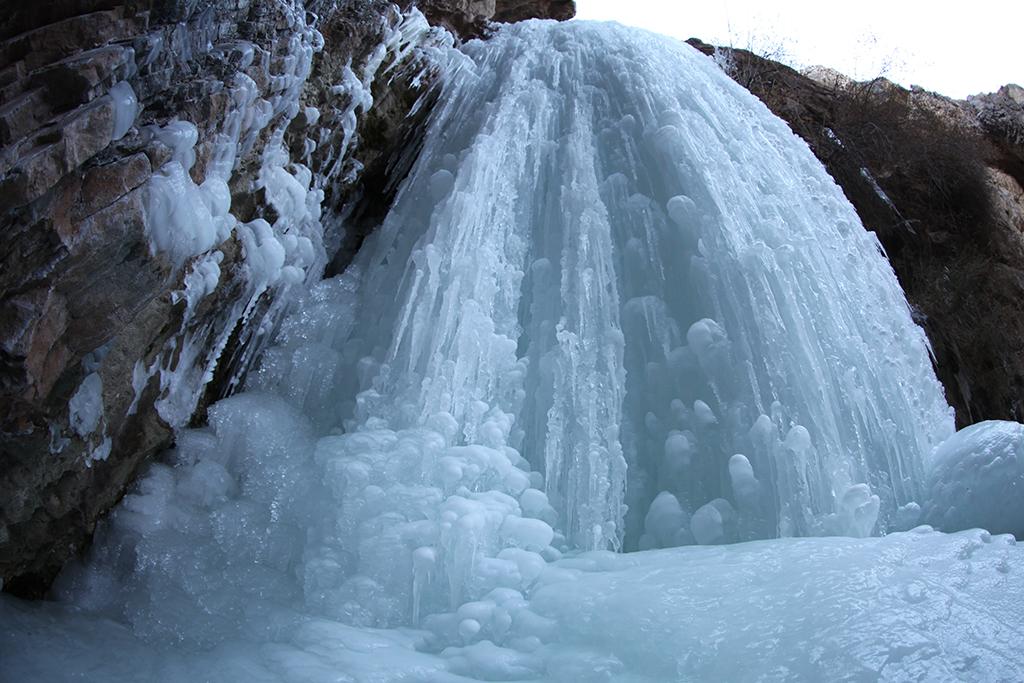
My Xinjiang Winter Travel Itinerary in the Flesh
I left the airport and went straight to Hongshan Park, where the annual ice-and-snow festival had carved a 12-meter dragon out of river ice. Entry was free, and I spent an hour photographing it before the cold pushed me into a nearby noodle shop for 18 RMB lagman. The next morning I took a 90-minute bus south to the Silk Road Ski Resort. The lift ticket was 380 RMB and I rented boots and skis for another 200. By noon the sun was bright but the air held at -12°C; I could see my breath on every run.
Two days later I boarded the night train to Beitun. A hard-sleeper berth cost 152 RMB and the ride ran 11 hours through a white plain. From Beitun a pre-booked shuttle (260 RMB, shared) took me the final 140 km to Hemu. The village was quiet, smoke rising from timber cabins, snow piled to the windows. I paid 280 RMB for a heated room and woke to -29°C on the thermometer outside. That is the moment the whole trip felt real: frost on the inside of the glass, a wood stove in the corner, and a dog barking somewhere in the dark.
How to Get There
A solid Xinjiang Winter Travel Itinerary starts with the flight into Urumqi, because every northern leg runs through it. From Beijing a one-way ticket runs about 1,180 RMB in the low season and takes 4.5 hours. Shanghai flights cost roughly 1,500 RMB with a stop, around 5.5 hours. Xi’an is the cheapest major gateway at about 900 RMB and 3.5 hours. The direct train (Z69) from Beijing is an option if you want the rails, but it takes close to 24 hours.
From Urumqi to the Kanas region, take the night train to Beitun, then a shuttle. The high-speed line to Turpan is fast and cheap: 51 RMB and 50 minutes. If you want the full background on routes, road rules, and what stays open, read our Xinjiang Winter Travel Guide before you book anything.
Best Time to Visit
Winter here stretches from early December to late February, and each month feels different.
- December brings the first solid snow. Ski resorts open, prices drop, and the ice festival in Urumqi starts mid-month. Crowds are thin.
- January is the serious cold. Kanas freezes solid, Hemu turns into a postcard of smoke and snow, and night temperatures in the north can touch -30°C. This is the month for the frozen-lake experience.
- February stays cold but the Spring Festival period late in the month draws domestic crowds and lifts prices. Lantern displays pop up in the cities.
- March starts the thaw. Snow becomes unreliable and some high passes open, but the clean winter look fades.
My recommendation: aim for mid-January if you want the deep-freeze scenery, or the last week of December if you want lower costs and lighter crowds. For a Xinjiang Winter Travel Itinerary, January is the month I trust most for scenery, while December keeps the budget calm. Either way, check our best time for Xinjiang winter travel breakdown before locking dates.
Where to Stay
Budget. Hemu guesthouses run 260 to 350 RMB a night in winter, well below the 600-plus summer rate. In Urumqi a bed in a hostel near Hongshan costs about 120 RMB.
Mid-range. A 4-star hotel by Hongshan Park in Urumqi goes for 380 to 500 RMB. Burqin riverside hotels sit around 280 RMB and put you close to the hot springs.
Upper. Lodge rooms at the Silk Road Ski Resort start near 900 RMB with slope access. The wooden villas inside Kanas drop to about 1,200 RMB in winter from a summer high of 2,000. Packing for these temperatures matters more than the room, so review our Xinjiang Packing List Guide before you go.
Food
Winter is the right time for hot, cheap food. In Urumqi I ate lagman (hand-pulled noodles) for 18 to 25 RMB and da pan ji, the big-plate chicken with wide noodles, for 68 RMB. At the night market, kao rou mutton skewers were 5 RMB each and samsa baked buns were 8 RMB. Naan bread ran 3 to 5 RMB and a cup of milk tea was 10 RMB.
In Burqin, a hot pot for two with local fish came to about 120 RMB after a day in the snow. Portions are large; one shared plate between two people is usually enough. Cash helps in smaller towns where card readers lag.
Practical Tips
- Book the Beitun-to-Hemu shuttle before you arrive. Winter buses are limited and fill from pre-booked guests at the guesthouses.
- Dress in three layers. At -30°C you need a thermal base, a down mid-layer, and a wind shell on top. Gloves and a face mask are not optional.
- Carry cash. Some Hemu and Burqin vendors do not take cards or mobile pay reliably.
- Skip the Duku Highway in winter. It closes from October to June. Route through Beitun instead, or study our Xinjiang Self-Driving Guide for the open-season plan.
- Drink water. The dry cold dehydrates you faster than you notice, and altitude near Kanas adds to the effect.
- Sort border permits early if you plan to visit Baihaba, the village near the frontier. The office in Burqin handles same-day issues but queues build before holidays.
- Keep your Xinjiang Winter Travel Itinerary flexible. A snow closure can shift a day, and the night train to Beitun sells out around festivals, so hold one buffer day near Urumqi.
Sample Itinerary: Your Xinjiang Winter Travel Itinerary Day by Day
Day 1. Arrive Urumqi, drop bags, walk Hongshan Park ice festival (free).
Day 2. Silk Road Ski Resort, full day, 380 RMB lift plus rental.
Day 3. Evening train to Beitun, hard sleeper 152 RMB, 11 hours.
Day 4. Shuttle to Hemu (260 RMB shared), check into cabin, -29°C night.
Day 5. Kanas frozen lake walk and Baihaba border village, winter combo 100 RMB.
Day 6. Return to Burqin, soak in hot spring (80 RMB), hot pot dinner.
Day 7. Train or flight back to Urumqi, restock supplies.
Day 8. High-speed train to Turpan, 51 RMB, 50 minutes.
Day 9. Jiaohe ruins (35 RMB) and the Karez water system.
Day 10. Flaming Mountains and Grape Valley, both mild in winter.
Day 11. Back to Urumqi, International Grand Bazaar for gifts.
Day 12. Depart. Total land cost ran me about 5,800 RMB excluding the flight from Beijing.
FAQ
Is Xinjiang safe to visit in winter? Yes. Roads are maintained and the cities run normally. The real challenge is cold, not safety. Keep your phone charged and tell your hotel your route.
Can I drive the Duku Highway in winter? No. The road closes from October to June because of snow and ice. Plan the Beitun route instead.
How much does a winter trip cost? Land costs for 12 days run roughly 5,000 to 7,000 RMB per person, not counting the flight into Urumqi. Ski passes and the Kanas shuttle are the big line items.
What should I pack? Thermal base layers, a down jacket, a wind shell, insulated boots, gloves, a face mask, lip balm, and a power bank. The cold drains phone batteries fast.
Are attractions open? Most are. City sites, ski resorts, and Turpan stay open all winter. Some high mountain passes limit access, so confirm before long drives.
Which month is best? Mid-January for the frozen scenery, late December for lower prices. Both beat the Spring Festival spike in February.
Disclaimer
Prices, train times, permits, and opening hours change without notice. The figures above reflect my January 2024 trip and are shared as planning guidance, not guarantees. Always verify current costs and border-permit rules with official sources and your hotel before you travel. Winter weather in Xinjiang is severe; confirm all transport the day before departure.