

Published: 2026-07-26 | Author: Karl Huang
Beijing to Xinjiang Tips are what I wish someone had handed me before my first trip west in the autumn of 2017. I paid 1,480 yuan for a one-way ticket from Beijing Capital International Airport to Urumqi Diwopu, the flight landed at 1:42 in the morning, and I stood in a half-empty arrivals hall with no hotel booked and no idea that the airport bus had stopped running. Eight years later I have made the crossing close to forty times, usually by air but sometimes by the long sleeper train, and I have worked out which decisions actually save money and time. These are the Beijing to Xinjiang Tips I repeat most to friends who ask how to reach China’s far northwest without wasting a day on avoidable mistakes.
Quick Reference
| Item | Detail |
|---|---|
| Route | Beijing (Capital or Daxing) to Urumqi, Xinjiang |
| Nonstop flight | About 4 hours 20 minutes |
| Sleeper train | 30 to 33 hours, Z-category |
| Typical airfare | 900 to 1,900 yuan one way off-peak |
| Best months | May to June, September to early October |
| Role of the trip | Gateway to both north and south Xinjiang routes |
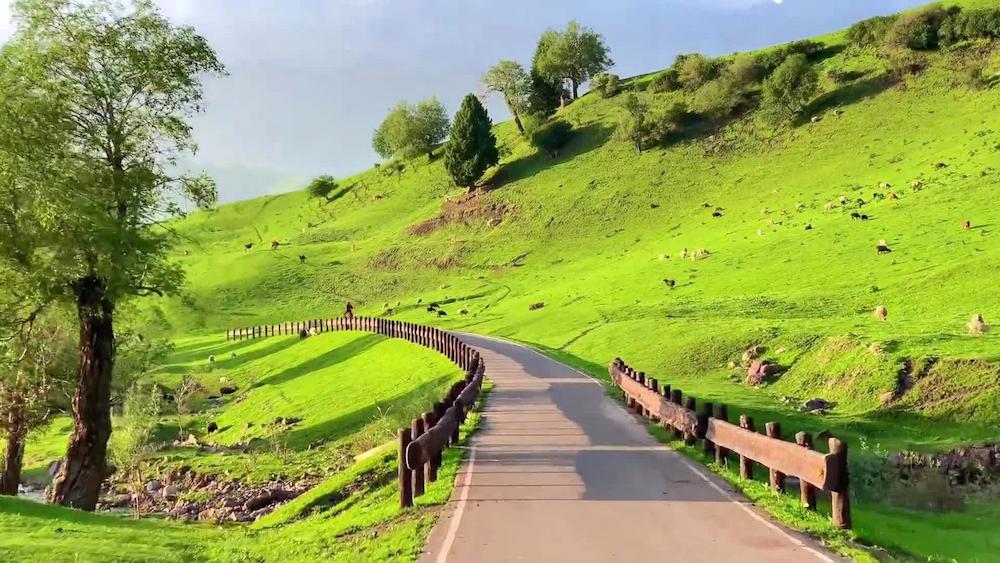
Beijing to Xinjiang Tips I Learned the Hard Way
My worst mistake was the midnight landing with no plan. Urumqi Diwopu airport sits about 25 kilometers from the city center. The airport express bus stops around 11 pm, and a legitimate taxi from the rank costs roughly 60 to 80 yuan, but at 2 am the drivers outside the gate often quote 150. I now book a hotel in the Tianshan District that sends a driver for 50 yuan, and I send the flight number ahead on WeChat. Small detail, big difference when you are tired.
Another lesson came from the train. In 2019 I took the Z179 sleeper from Beijing West to Urumqi as an experiment, mostly to see the Gobi from a window. The hard sleeper cost 480 yuan and the soft sleeper 760, and the ride ran 32 hours. I enjoyed the slow view of the Hexi Corridor, but I arrived stiff and a day behind schedule. I still recommend the train to people who want the experience, not to people on a tight calendar. For most trips the flight wins.
The third habit that changed my trips was buying the return ticket before I left Beijing. Fares between Urumqi and Beijing swing hard with the season. I have seen the same nonstop jump from 1,100 yuan in May to 2,600 yuan during the October National Day week. Booking both directions from home, where I have a proper screen and can compare the two airports, has saved me more than any single trick on the ground.
How to Get There
Most travelers fly. Beijing has two airports, Capital (PEK) in the northeast and Daxing (PKX) in the south, and both run nonstop services to Urumqi. Airlines rotate, but China Southern, Air China, and Hainan usually appear. A nonstop takes about 4 hours 20 minutes. If you connect through Xi’an or Chengdu, add three to five hours and a real risk of missing the link in winter fog.
The sleeper train leaves from Beijing West and uses the Z or T categories. Soft sleeper gives you a closed four-bunk cabin; hard sleeper is an open bay of six. Bring your own food beyond the instant noodles sold at station stops, a power bank, and a sleep mask. Full detail on rail options and how the lines connect to the rest of the region is in my Xinjiang by Train Travel Guide.
Driving is possible but long. The Beijing Urumqi drive follows the G7 Beijing Xinjiang Expressway for roughly 2,700 kilometers, and most people split it over three days. I have done sections of the G7 for research, and it is a serious road trip, not a casual detour. Consider it only if Xinjiang is the middle of a larger China loop.
Best Time to Visit
My Beijing to Xinjiang Tips for timing are simple. Spring, from May to early June, brings moderate prices and open grasslands in the north. Summer, July and August, is hot in the basins and crowded at every lake, but the highlands stay cool. Autumn, especially September through early October, is the season I tell most people to pick. The poplar forests near Kashgar turn gold, the skies clear, and the crowds thin after the National Day rush.
Winter is cold and quiet, with some mountain passes closed, but fares drop and ski areas near Urumqi open. I skied Silk Road resort in January for a long weekend and paid less for the whole trip than a single summer hotel night in the same town.
My clear recommendation is the last two weeks of September. You get the autumn color, the fruit markets are still full, and you miss the October holiday price spikes. If your only window is summer, start driving tours at 8 am to beat both heat and tour buses. For the full seasonal breakdown across the region, see my Best Time to Visit Xinjiang Guide.
Where to Stay
Budget travelers do well with the chain hotels near Urumqi railway station and the bazaar. Clean rooms with private bath run 180 to 280 yuan a night. I often use these when I arrive late and leave early.
Mid-range choices, around 350 to 600 yuan, cluster along Renmin Road and near the International Grand Bazaar. You get better breakfast, newer beds, and walking access to food streets. This is my default for a two-night stop.
Upper-end hotels, 800 yuan and up, include the international brands near the convention center and a few boutique places in the old town. I book these when I am meeting clients or need a quiet base for a week of driving. For a longer Beijing to Xinjiang Xinjiang plan that continues south, treat Urumqi as one or two nights and save the premium nights for Kashgar or the lake towns.
Food
Urumqi eats late and well. A plate of laghman noodles at a local spot costs 22 to 35 yuan. Samsa, the baked meat pastry, runs 8 to 12 yuan each from a corner oven. My standard dinner is a whole grilled fish, the spicy style, shared with two friends for about 160 yuan plus four naan at 3 yuan apiece.
The International Grand Bazaar food section is tourist priced but worth one walk. Fresh pomegranate juice is 10 yuan, roasted lamb skewers 5 to 8 yuan a stick, and the dried fruit bags make easy gifts. I buy walnuts and red dates there by the kilogram at 30 to 45 yuan. For a deeper eating plan across the region, the food notes in my Beijing to Xinjiang guide line up dishes city by city.
Practical Tips
Most of my Beijing to Xinjiang Tips come down to timing and a little paperwork. The list below is the short version.
- Carry your passport everywhere. Hotels, some attractions, and fuel stations check it, and the border permit office needs the original, not a photo.
- Sort the Xinjiang border travel permit before you head south to Kashgar or the Pamirs. Urumqi issues it free at the entry-exit office, but only on working days, and you need a confirmed southbound plan.
- Download offline maps. Signal fades on the Duku Highway and across the Taklamakan edge, and you do not want to guess a junction.
- Bring small cash. Remote stalls and some bazaar vendors do not take every payment app, and a 50 yuan note settles things fast.
- Pack for two climates. Urumqi can be 12 degrees at night in September while Turpan bakes at 30. Layers beat a heavy coat.
- Keep your first day light. After a 4-hour flight or a 32-hour train, a slow walk, a good meal, and an early night beats a rushed tour.
The permit step trips up more visitors than any other. The rules shift, and the office hours change, so read the current version of my Xinjiang Visa and Permit Guide before you book the southbound leg.
Sample Itinerary
This is the version I send to first-timers with a week and a half.
Day 1. Fly Beijing to Urumqi, arrive evening, taxi to a Renmin Road hotel, light dinner near the bazaar.
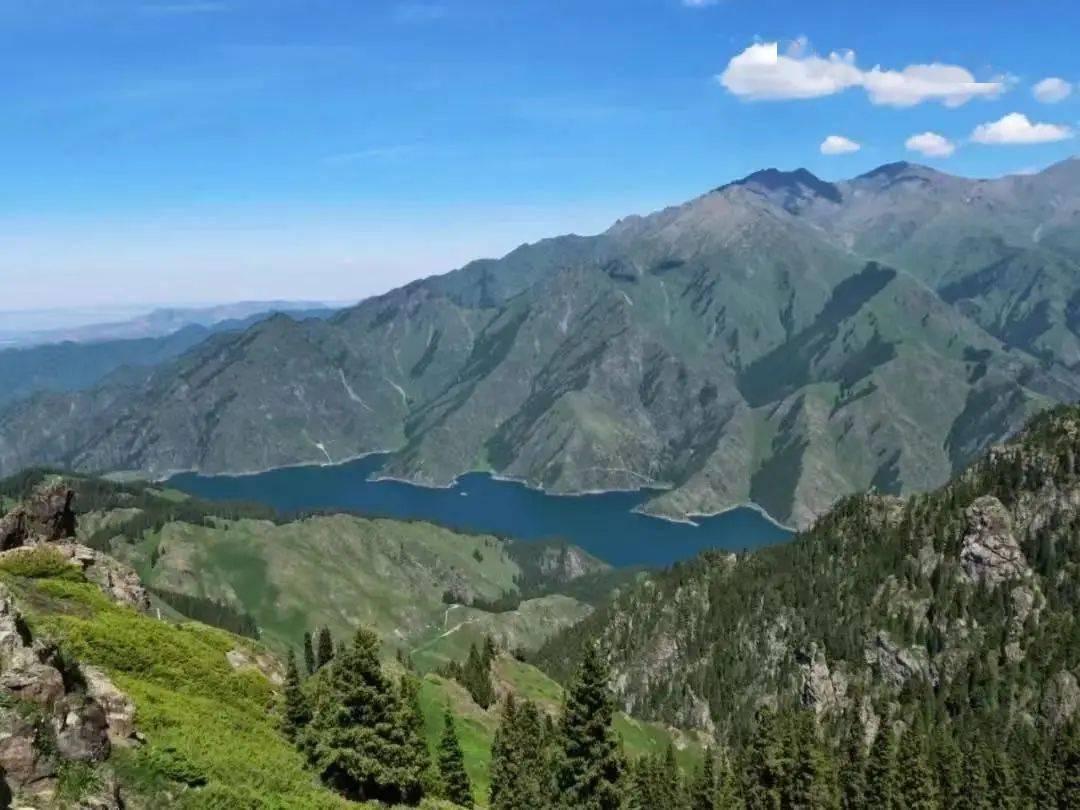
Day 2. Morning at the Regional Museum, afternoon at Heavenly Lake (Tianchi), back to the city for grilled fish.
Day 3. Pick up a car or join a small group north to Karamay and the Ghost City, overnight in Burqin.
Day 4. Kanas Lake and Hemu Village, two nights in the forest town.
Day 5. Slow morning in Hemu, drive the Duku Highway south, overnight in Bayinbuluke.
Day 6. Nalati grassland, then on to Yining, evening walk along the Ili River.
Day 7. Fly or train from Yining back toward Urumqi, buffer day for delays.
Day 8. Second buffer or a Kashgar add-on if the permit is ready, then fly back to Beijing.
The full day-by-day version with hotel names and drive times is in my Beijing to Xinjiang Itinerary write-up. I keep this shorter plan as the fallback when flights shift.
FAQ
Is the flight or the train better from Beijing to Xinjiang?
The flight wins for almost everyone. It takes about 4 hours against 30-plus on the train, and fares are often close to the soft-sleeper price if you book early. Take the train only if the slow ride is the point.
How much should I budget for the whole trip?
A one-week loop with mid-range hotels, a car share, and normal eating ran me about 4,500 to 6,000 yuan including both flights. Solo travelers who skip the car and use trains land closer to 3,500.
Do I need a special permit?
You need the free Xinjiang border travel permit only for southbound areas like Kashgar’s Pamir side, Khunjerab, and some lake zones. Urumqi and most of the north need nothing beyond your passport and normal China entry.
When is the cheapest time to fly?
May and the second half of September usually show the lowest fares, outside the October holiday. Avoid booking the first week of October, when prices roughly double.
Can I use my phone payment apps everywhere?
In Urumqi and the big towns, yes. In small bazaars and remote stalls, carry some cash. I keep 200 yuan in small notes for exactly this.
Disclaimer
Prices, schedules, permit rules, and airline routes change. The fares and times above reflect what I paid or saw between 2017 and 2025, and they will shift with season, fuel, and policy. Always confirm current details with the airline, the hotel, and the official Xinjiang entry-exit office before you travel. This article shares personal experience, not guaranteed fact or official advice.
I hope these Beijing to Xinjiang Tips make the crossing smoother than my first one was. The route is long, but it opens the whole region.