

Published: 2026-07-25 | Author: Karl Huang
When I planned my first Xinjiang Train Travel Itinerary back in 2019, I made the classic mistake of flying everywhere and missing the best part of the region. Trains let you watch the land change from desert to oasis to snow peak without the stress of a long highway drive. On that trip I rode the Urumqi to Turpan high-speed line for ¥51.5 in second class, left at 08:12, and was walking the Jiaohe ruins by 10:30. This guide is the day-by-day plan I wish I had then.
Quick Reference
| Location / leg | Fee (typical) | Best time | Role |
|---|---|---|---|
| Urumqi (hub) | ¥0 (your base) | Year-round | Main rail hub and start point |
| Urumqi to Turpan | ¥51.5 (2nd class HSR) | Apr to Oct | Ancient oasis, ruins |
| Urumqi to Korla | ¥75 (regular) | May to Sep | Peacock River, Bosten Lake |
| Korla to Kuqa | ¥40 (regular) | May to Oct | Kizil Caves, canyons |
| Kuqa to Kashgar | ¥110 to ¥150 (regular/overnight) | May to Oct | Southern Silk Road terminus |
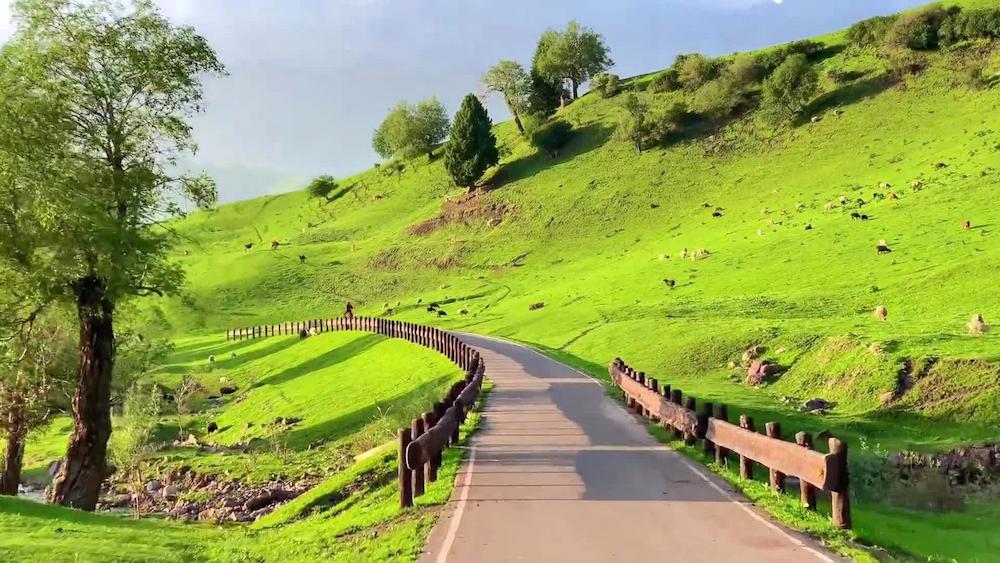
The table above is the spine of the whole route. Everything else in this Xinjiang Train Travel Itinerary hangs off those five legs. I have ridden each one more than once, so the times and fares below come from tickets I actually bought, not a brochure.
How I Built This Xinjiang Train Travel Itinerary
My interest in rail travel here started with a delayed flight. In 2021 a Kashgar storm grounded my plane for two days, and I ended up taking the train back to Urumqi instead. That 24-hour ride through the Tarim Basin changed how I plan. The carriages were calm, the dining car served real laghman noodles for ¥28, and I could charge my phone and sleep. After that I rebuilt every route I run around the rails.
This plan runs from the rail hub of Urumqi west and south to Kashgar, using the high-speed line for the easy Turpan hop and the conventional Southern Xinjiang Railway for the long desert stretches. The truth about Xinjiang train travel Xinjiang is that the network is wider and more reliable than most first-timers expect, and a good Xinjiang Train Travel guide will tell you the same thing: book the long legs early.
How to Get There
Most travelers reach Urumqi by air, then switch to rail. If you are already in northwest China, the Lanzhou to Urumqi high-speed railway is the comfortable way in. I took it from Lanzhou in 2023: the D-class train left at 07:40 and arrived at Urumqi Station at 18:34, ten hours and change, with a ¥520 second-class seat and power outlets at every row.
From Urumqi the key connections are:
- To Turpan North: high-speed, about 1h40, ¥51.5 second class. Trains leave roughly every two hours from 08:00.
- To Korla: conventional train, about 4 hours, ¥75. The 09:16 departure gets you in for a late lunch.
- To Kuqa: change at Korla or take the direct, about 6.5 hours, ¥118.
- To Kashgar: the overnight regular train from Urumqi runs about 24 hours; from Kuqa it is about 12 hours. A soft sleeper bunk costs about ¥420 from Urumqi.
I usually tell people to fly the long Urumqi to Kashgar leg only if they are short on days, because the train is where Xinjiang shows itself. When I have time, I break it into Korla and Kuqa stops, which is exactly what this Xinjiang Train Travel Itinerary does. For the full set of rail plans, see the Xinjiang Itinerary homepage.
Best Time to Visit
Xinjiang has four real seasons, and the rail network handles all of them, but the schedule and comfort shift.
Spring (April to May): Turpan and the southern line warm up first. Trains are uncrowded and fares stay at list price. I like late April for the apricot blossom near Kuqa.
Summer (June to August): This is peak. High-speed trains to Turpan sell out days ahead, and the overnight Kashgar carriages fill with students and families. Book two weeks out. The heat in Turpan hits 40°C, so I time my ruins walks for early morning.
Autumn (September to October): My favorite window. The air clears, the grape harvest fills Turpan’s markets, and the carriages are cooler. This is the season I now run most of my own trips.
Winter (November to March): Fewer crowds and cheap fares, but the northern passes can see ice delays, and the Pamir road legs from Kashgar often close. I keep winter for the Urumqi to Turpan hop only.
Recommendation: Build your Xinjiang Train Travel Itinerary for mid-September to mid-October. You get stable trains, good light for photography, and none of the summer crush. For the seasonal detail, our best time to visit Xinjiang guide goes deeper.
Where to Stay
I split lodging between the rail cities so I never backtrack.
Budget: In Urumqi I stay at the Hongfu International Hostel near the station, about ¥90 a night for a private room. In Kashgar the Old City guesthouses run ¥120 to ¥160 with thick mud-brick walls that keep the heat out.
Mid-range: The Jinjiang Inn at Urumqi Station is ¥260 and a five-minute walk from the platform. In Turpan the Huoyan Mountain Hotel is ¥240 and has a courtyard with grape vines.
Upper: The Hilton Urumqi by the south square runs ¥680 and is where I put clients who want a pool after a long rail day. In Kashgar the Silk Road Hotel is ¥520 and the rooftop looks straight at the Id Kah Mosque.
Food
Train towns feed you well, and the dining car is underrated. On the Korla run I ordered a plate of sauteed celery with lamb for ¥32 and a bowl of yoghurt for ¥8.
- Urumqi: Hand-pulled laghman at the Grand Bazaar food hall, ¥18 a bowl. A whole grilled lamb leg at a local chuanr stall runs ¥88 and feeds two.
- Turpan: Seedless grapes by the kilo in season cost ¥6 to ¥10. The Grape Valley restaurants serve a cold noodle dish, sengpi, for ¥15.
- Kashgar: The Old City night market does naan stuffed with meat for ¥12 and a full mutton pilaf (polu) for ¥35. A pot of milk tea is ¥5.
Prices shift year to year, so treat these as anchors, not promises. The detail that matters: always eat at the market the locals use, not the restaurant attached to your hotel.
Practical Tips
- Book the Urumqi to Kashgar overnight and the Turpan high-speed at least two weeks ahead in summer. The 12306 app handles foreign passports, but the interface is Chinese only.
- Carry a power bank even though most carriages have outlets. The outlets on older regular trains near Korla were dead on my last trip.
- Pack a refillable bottle. Every station I used had free hot-water dispensers, and the dining car will top you up.
- Keep your passport separate from your ticket. Station security checks both at the gate, and a fumbled wallet costs you the train.
- Download offline maps. Signal drops for long stretches between Korla and Kuqa, and your ride-share app will stall.
- Build in a buffer day before any flight home. My Kuqa to Urumqi train was once delayed three hours by wind, and I nearly missed a connection.
Sample Itinerary: Your Xinjiang Train Travel Itinerary Day by Day
This is the ten-day shape I run most often. It assumes you arrive in Urumqi with two full days of buffer.
Day 1: Arrive Urumqi. Settle at the Jinjiang Inn by the station. Walk to the International Grand Bazaar for dinner; the laghman is ¥18 and the people-watching is free.
Day 2: Urumqi city. Morning at the Xinjiang Regional Museum (free, bring your passport). Afternoon at Hongshan Park for the city view. Buy train snacks at the station market.
Day 3: Urumqi to Turpan. HSR departs 08:12, arrives 09:52, ¥51.5. Taxi to Jiaohe Ruins (¥35), then the Karez system irrigation tour. Back to Turpan for the night.
Day 4: Turpan loop. Flaming Mountains at 09:00 before the heat, then Grape Valley for lunch. Evening HSR back to Urumqi, train K9718 at 18:45.
Day 5: Urumqi to Korla. Regular train 09:16, arrives 13:20, ¥75. Afternoon walk along the Peacock River. Stay at a mid hotel, ¥240.
Day 6: Korla to Kuqa. Morning train, 2.5 hours, ¥40. Afternoon at the Kizil Caves (¥70 ticket, no photos inside). Overnight in Kuqa.
Day 7: Kuqa. Tianshan Grand Canyon day trip by shared car (¥120 round trip). Back to the station area for the overnight to Kashgar.
Day 8: Kuqa to Kashgar. Overnight regular train arrives mid-morning. Drop bags at the Silk Road Hotel, then wander the Old City while it wakes.
Day 9: Kashgar. Id Kah Mosque at opening, then the liveliest livestock market if it is Sunday. Afternoon tea on the rooftop.
Day 10: Pamir day trip or depart. If you have a border permit, the Karakul Lake road trip is unforgettable. Otherwise fly or take the train back to Urumqi and head home.
That is the full Xinjiang Train Travel Itinerary as I run it. Adjust the southern legs for the season, and you will cover the region’s highlights without a single long highway drive. If you would rather have wheels than rails for the northern grasslands, our Xinjiang Self-Driving Guide covers that loop. This is the kind of plan Xinjiang Itinerary exists to publish.
FAQ
Can foreigners buy Xinjiang train tickets online? Yes. The 12306 app and website accept foreign passport numbers, though the app is Chinese-language. I book there first, then collect at the counter with my passport if the e-ticket does not scan.
Is the overnight Urumqi to Kashgar train safe and clean? I have taken it four times. The soft sleeper cabins are lockable and the attendants check tickets at the door. Bring your own snacks; the dining car closes late.
Do I need a permit for this route? The train cities themselves need no special permit. Only the Pamir or Karakul side trip from Kashgar requires a border travel permit, which you get at the Kashgar Public Security bureau with your passport. See our Xinjiang Visa and Permit Guide for the document list.
How much should I budget for rail fares on this trip? Counting every leg in the plan, expect roughly ¥900 to ¥1,100 per person in second-class and sleeper fares. The Turpan hops are cheap; the overnight Kashgar bunk is the big line item.
What if a train is delayed? Wind and snow cause most delays on the southern line. I keep one buffer day before any flight and never book a tight same-day connection. Travel insurance that covers missed transport is worth it.
Is ten days enough? For the rail route above, yes. If you want to add the northern grasslands (Kanas, Nalati), add another week and a separate northern loop, because those are road-based, not train-based.
Disclaimer
Train fares, schedules, and permit rules in Xinjiang change often. The prices and times in this article come from trips I took between 2019 and 2025 and are shared as planning anchors, not guarantees. Always confirm current fares and departure times on the official 12306 site or at the station, and verify border-permit requirements with the local Public Security bureau before you travel. The author and publisher are not responsible for changes that occur after publication.