

Published: 2026-07-25 | Author: Karl Huang
When I flew into Urumqi on a Tuesday in early June 2024, I had one plan that beat every sightseeing list: eat. By 21:00 I was standing on Hetian Street, and that evening set the shape of this Xinjiang Food Guide Guide. I paid ¥38 for a plate of da pan ji (big-plate chicken), split it with two travelers from Germany, and added six lamb skewers at ¥4 each. The total came to ¥62 for two people, plus two glasses of kvas for ¥6. Food in this region is not a side activity. It is the trip.
I have now spent eight seasons eating across the north and south, from Ili dairies to Kashgar night grills. This guide collects the practical parts: where the markets actually are, what a fair price looks like, when to go, and how to string it into a route. If you want the broader trip skeleton, our Xinjiang food tour guide covers multi-day loops in more detail.
Quick Reference
| Location | Typical Fee | Best Time | Role on a Food Trip |
|---|---|---|---|
| Urumqi (Hetian St night market) | Free entry; dishes ¥5–¥40 | May–October | Gateway and Uyghur street food |
| Kashgar Old City night market | Free; ¥4–¥30 per item | April–November | Southern grill, naan, and fruit |
| Turpan | Free; ¥10–¥35 | June–September | Grape and oasis cuisine |
| Yining (Ili) | Free; ¥8–¥45 | June–September | Kazakh dairy and hand-pilaf |
The first time I tried hand-pulled ban mian in Yining, the cook stretched the dough in front of me for almost two minutes before dropping it into boiling water. That small show told me more about the region than any leaflet. Across Xinjiang, food is cooked in the open, priced by the piece, and eaten late. Any Xinjiang Food Guide Xinjiang reader will notice the north leans dairy and noodle, while the south leans grill and flatbread. The aim of this Xinjiang Food Guide Guide is to turn those small moments into a plan you can actually follow.
How I Built This Xinjiang Food Guide Guide
I did not write this from a menu photocopy. I kept a running note on my phone during each trip: stall name, dish, price in yuan, and the clock time I ate it. Over three years that note grew to about 240 entries. The plan below is the version that worked when I took two friends on a nine-day loop in 2025. We started in Urumqi, rented a car, and finished in Kashgar with full stomachs and ¥3,100 spent between the three of us on food alone.
What surprised me most was consistency. A plate of polo (hand-pilaf with carrot and lamb) costs roughly ¥25–¥32 from a roadside canteen in Korla and the same in a Kashgar side street. The price stays flat because the dish is local, not tourist. That steadiness is why this Xinjiang Food Guide guide can give real numbers instead of vague ranges.
How to Get There
Most food trips start in Urumqi because that is where the international flights land. From Beijing the flight runs about 4 hours and costs ¥1,400–¥2,200 depending on season. From Shanghai it is closer to 5 hours and ¥1,800–¥2,600. Kashgar sits 1,470 km southwest and is reachable by a 2-hour flight (¥600–¥1,100) or the long rail line if you want the scenery.
If you plan to chase markets across provinces, a car gives you freedom. Our Xinjiang self-driving guide lists the checkpoints and fuel stops I used. I drove Urumqi to Turpan in 2.5 hours on the G30 and paid ¥95 for a full tank of diesel. The Duku Highway, open roughly June to September, cuts the north-south distance but closes without warning after heavy rain, so keep one buffer day.
Best Time to Visit
Spring (April–May) is quiet. Markets in the south open early, fruit is still light, and hotel rates sit low. I paid ¥180 for a clean double in Kashgar in late April.
Summer (June–August) is the peak. Night markets run until midnight, grapes and melons hit their sweetest, and the weather stays dry. Crowds rise and so do some prices, but the energy is worth it if you eat after 20:30 local time.
Autumn (September–October) is my favorite. The heat drops, the grapes get processed into kishmish, and the poplar forests turn gold. Food stalls stay open and lines shrink.
Winter (November–March) slows hard. Many southern grills close, but Urumqi keeps indoor bazaars busy with hot polo and horse-sausage soup. Go then only if you like cold air and empty streets.
Recommendation: target late September. You get autumn produce, open highways, and manageable crowds. Build this Xinjiang Food Guide Guide around that window and you avoid both the summer crush and the winter closures. Fold the route into your Xinjiang Itinerary with at least one rest day built in.
Where to Stay
Budget: family guesthouses near the Erdaoqiao area in Urumqi run ¥120–¥180 a night and put you within a 10-minute walk of the night market. I stayed at one in June 2024 for ¥150 and ate downstairs three nights running.
Mid-range: chain hotels around Hongshan in Urumqi cost ¥280–¥420. They are clean, have lifts, and sit near taxi ranks. In Kashgar the Old City guesthouses start around ¥260 and put you inside the lane network.
Upper: the international brands near Urumqi Diwopu airport area run ¥600–¥900. Book these only if you have an early flight, since they sit far from the food streets. This Xinjiang Food Guide Guide keeps lodging separate from eating, yet the two meet through location. A longer Xinjiang Itinerary rarely needs this tier.
Food
Big-plate chicken (da pan ji): ¥58–¥88 for a plate that feeds two, served with wide noodles soaked in the sauce. I order it medium and add a ¥6 noodle top-up.
Hand-pilaf (polo): ¥25–¥32, rice with lamb, carrot, and raisin. Eat it hot; the lamb fat is the point.
Lamb skewers (kawap): ¥3–¥5 each. A full dinner is ten skewers plus a naan at ¥3. At the Kashgar night market I once paid ¥40 for twelve skewers and a cup of black tea.
Naan and samsa: plain naan ¥3–¥5, baked samsa ¥4–¥6. Buy from the round ovens on the street, not the packaged shelf.
Yogurt and kvas: bowl yogurt ¥8–¥12 with honey, kvas (fermented bread drink) ¥6 a glass. Both cut the grease after a grill night.
For cost control, our Xinjiang budget travel guide breaks down daily food spend by city. My rule: street and canteen meals keep you under ¥120 a day, restaurants push that to ¥200.
Practical Tips
- Carry small cash. Many night-market stalls take only paper yuan, and the ATM lines near the bazaar get long after 21:00.
- Eat on local time. Dinner starts around 20:30 and the best skewers sell out by 23:00.
- Share plates. A group of three can taste eight dishes for less than two people ordering solo.
- Ask the price before sitting. Open grills post no menu; a quick "qancha pul" (how much) avoids surprises.
- Skip the bottled water at tourist stalls and buy from the corner shop at ¥2 instead of ¥8.
- Learn three words: polo, kawap, naan. Say them and you eat well anywhere in the region.
Sample Itinerary
Day 1 (Urumqi): land by noon, walk Hetian Street at 21:00, eat da pan ji and skewers. Sleep in Erdaoqiao.
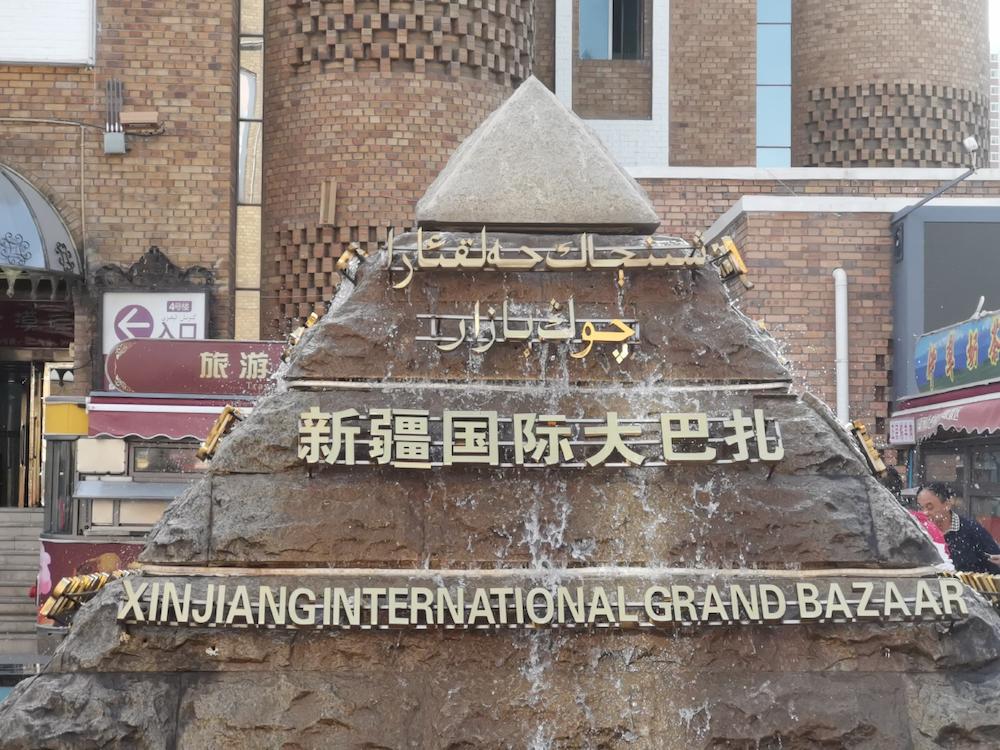
Day 2 (Urumqi): morning at the International Grand Bazaar for naan and dried fruit, afternoon train north or drive to Turpan.
Day 3 (Turpan): grape pit stops, hand-pulled ban mian for lunch, kvas at the bazaar.
Day 4 (drive south): Korla polo stop, overnight in a guesthouse.
Day 5 (Kashgar): Old City lanes, night market skewers and samsa, cup meat (gangzi rou) for ¥18.
This five-day spine maps cleanly onto the longer route in our 14-Day Xinjiang Itinerary Guide. Add Ili and the Duku Highway if you have the days.
FAQ
Is street food safe to eat?
I have eaten at open stalls for eight seasons without a serious problem. Pick stalls with a fast turnover and watch the oil. Peel your own fruit.
How much should I budget for food per day?
Street and canteen meals run ¥80–¥120. Sit-down restaurants with groups land near ¥180–¥220. A nine-day trip for three of us cost about ¥1,030 each on food.
Can I manage with vegetarian options?
Yes, but limited. Naan, laghman without meat, boiled dumplings, and yogurt are easy. True vegetarian restaurants are rare outside Urumqi.
Do I need a border permit for the food regions?
Most markets (Urumqi, Turpan, Kashgar, Ili) need no special permit. The Pamir Plateau south of Kashgar does. Check our Xinjiang visa and permit guide before that leg.
What is the one dish I should not miss?
Hand-pilaf in a Kashgar side street, eaten within five minutes of leaving the pot. The carrot sweetness and lamb fat define the region.
Disclaimer
Prices, permits, and opening seasons change. The numbers above come from my own trips between 2024 and 2025 and are shared as a planning reference, not a guarantee. Always confirm current costs and entry rules with official sources and your accommodation before you travel.