

Published: 2026-07-22 | Author: Karl Huang
The first time I planned the Best Time for Xinjiang Transportation Guide around a single two-week loop, I got the season wrong. I landed in Urumqi on a cold March morning in 2023, walked out of Diwopu airport, and watched the Duku Highway status board read “closed until June.” My rental was booked, my Kashgar hotel was paid, and the one road that ties northern and southern Xinjiang together was buried under four meters of snow. That mistake cost me three extra flight segments and about ¥1,400 in rebooking. This article is the timing playbook I wish I had that day.
Xinjiang is huge. Driving straight from Urumqi to Kashgar covers roughly 1,470 kilometers, and the province is larger than Western Europe in land area. You cannot wing the logistics. The Best Time for Xinjiang Transportation Guide question is really a question about weather, road openings, rail schedules, and flight loads, because all four move on their own calendar. Get the timing right and the network works beautifully. Get it wrong and you will burn days in waiting rooms.
Quick Reference
| Mode / Node | Location | Typical Fee | Best Time | Role |
|---|---|---|---|---|
| Urumqi Diwopu Intl Airport | 25 km north of Urumqi | ¥20 airport bus to city | Year-round | Primary air gateway |
| Lanxin HSR (Urumqi to Turpan) | Northern Xinjiang corridor | ¥51.5 second class | April to October | Fast intercity rail |
| Duku Highway (G217) | Tianshan spine, north to south | Free; fuel only | June 1 to September 30 | Scenic north south link |
| Southern Xinjiang Railway | Kuqa to Kashgar | ¥108 hard seat | March to November | Long-haul rail backbone |
What I Learned After Eight Seasons on the Road
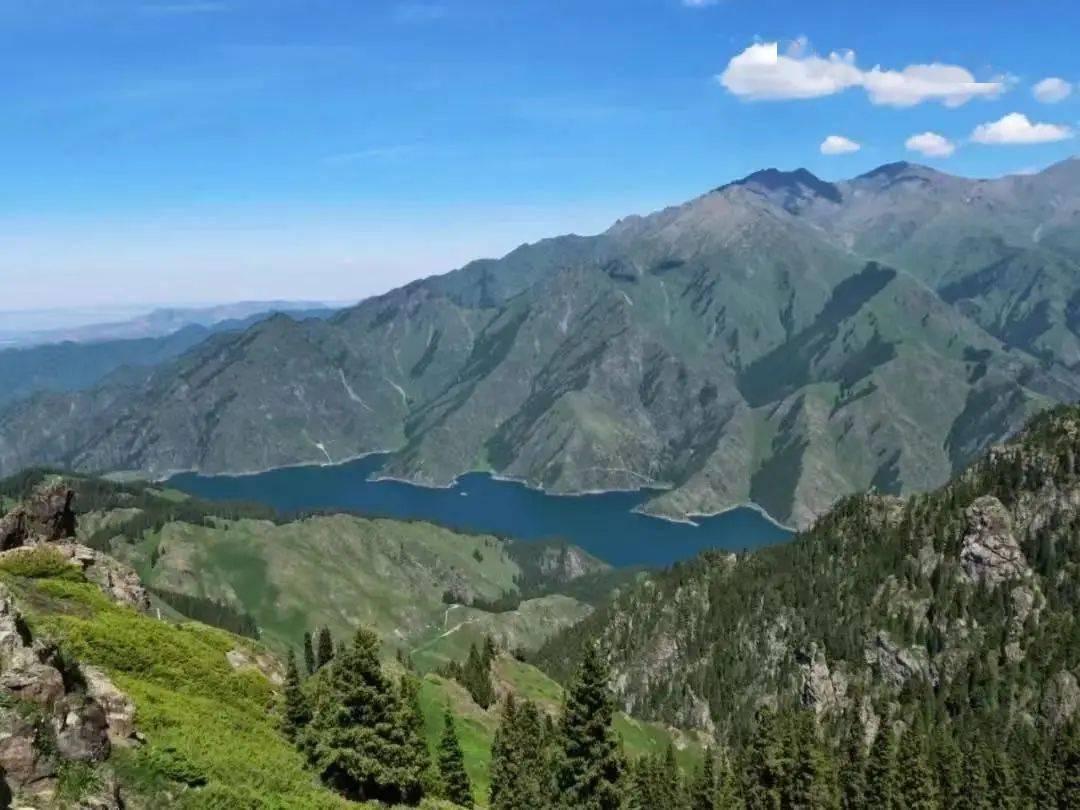
Most travelers treat transportation as a footnote. In Xinjiang it is the trip. On my second visit, in June 2024, I caught the Duku Highway in its first open week. The snow walls on either side of the road still stood three meters high in places, and the temperature swung from 24 degrees in the south to 6 degrees at the 3,400-meter Pass. A group I was advising left Kashgar in shorts and needed fleece by noon. The Xinjiang Transportation Guide Xinjiang travelers build before departure has to account for that kind of swing.
I have now crossed the province by train, by sleeper bus, by rented 4×4, and by domestic flight more times than I can count. The single biggest lesson: match your mode to the season, not to your budget. A ¥400 flight saves you twelve hours in spring but gets canceled in winter fog, while the rail keeps running through most storms. The best time to visit Xinjiang Transportation Guide routes is the window where your chosen mode is both running and comfortable.
How to Get There
Most international visitors fly into Urumqi Diwopu International Airport (IATA: URC) via Beijing, Shanghai, Xi’an, or Chengdu. A direct flight from Beijing runs about ¥1,800 to ¥2,600 depending on season, and takes roughly four hours. From the airport, the airport bus to the city center costs ¥20 and runs every 30 minutes until 23:00.
If you are already inside China, the Lanxin high-speed line is the comfortable option. The Urumqi to Turpan segment takes 1 hour 9 minutes and costs ¥51.5 in second class. For a deeper look at rail planning, my Xinjiang Transportation Guide Guide breaks down every major line, including the new Hotan to Ruoqiang desert railway that opened in 2022.
From Kashgar, the Southern Xinjiang Railway pushes west toward the Pamir foothills. The classic Kuqa to Kashgar hard-seat ride is ¥108 and takes about 9 hours. Flights between the two cities run ¥520 to ¥900 and cut that to 90 minutes when weather holds.
Best Time to Visit: the Best Time for Xinjiang Transportation Guide
The Best Time for Xinjiang Transportation Guide plan splits cleanly by season, and each season changes which doors are open:
Spring (March to May). Rails and flights run normally. The Duku Highway stays closed, and mountain passes are still snowed in. This is the cheapest flight season and the quietest on the rails. Good for city hopping Urumqi, Turpan, and Kashgar without a car.
Summer (June to August). Everything opens. The Duku Highway unlocks on June 1, and the whole north south scenic drive becomes possible. This is peak season: flights fill, rail tickets sell out a week ahead, and rental 4x4s cost ¥450 to ¥700 a day. Book transport 3 to 4 weeks early.
Autumn (September to October). My favorite window. The Duku stays open through September, crowds thin after the August holiday, and the poplar forests of southern Xinjiang turn gold. Flight prices drop about 20 percent from July peaks. Roads are in best condition.
Winter (November to February). Rails keep running, but flights cancel often in fog and ice. The Duku is closed. Some remote guesthouses shut. This is for patient travelers who want empty sites and rock-bottom fares.
My clear recommendation: target early September. You get open roads, thin crowds, gold foliage, and stable flight schedules. It is the one window where every mode of transport works at once.
Drivers should read my Xinjiang Self-Driving Guide before committing to a rental, because fuel, checkpoint, and permit rules change by season and by region.
Where to Stay
Budget. Hostels and train-station hotels in Urumqi and Kashgar run ¥90 to ¥160 a night. The Silk Road Hostel near Kashgar old city is ¥120 for a bunk and is where I meet most overland cyclists.
Mid-range. Clean business hotels like Ji Hotel or Atour run ¥260 to ¥420 a night and sit within walking distance of the rail stations. I book these when I have an early departure, because the location saves a taxi.
Upper. The Lux* or Kempinski in Urumqi runs ¥900 to ¥1,500 a night and includes airport transfer, which matters after a red-eye arrival. In Kashgar, the Pamir International Hotel is the dependable high-end base before the Pamir drive.
Food
Long travel days run on road food, and Xinjiang does it well. At Urumqi station I regularly grab laghman (hand-pulled noodles with stir-fried toppings) for ¥22, and a plate of dapanji (big-plate chicken with potatoes and broad noodles) runs ¥45 to ¥68 for two. On the train, vendors walk the aisles selling samsa (baked meat pastries) for ¥8 each.
In Kashgar’s Sunday livestock market area, a full kaoyangrou (whole-roasted lamb leg) splits among four people for about ¥160. Nang flatbread costs ¥3 and keeps for three days in a backpack, which makes it the perfect bus food. A glass of fresh pomegranate juice in season is ¥10. None of this is fancy, but it is filling and cheap, and it keeps you moving.
Practical Tips
- Book the Duku Highway for June through September only. Outside that window it is physically closed by snow, and no permit overrides the weather.
- Buy rail tickets on the official 12306 app 10 to 14 days ahead in summer. Hard seats on the Kashgar line sell out fast in July and August.
- Carry your passport everywhere. Checkpoints between regions are normal, and rental counters will not release a car without it. My Xinjiang Visa and Permit Guide lists which border areas need extra paperwork.
- Build one buffer day into every road plan. A single washout or fog delay can push a 6-hour drive to 11 hours.
- Download offline maps before you leave the city. Signal drops to zero for long stretches on the G217 and the desert railways.
Sample Itinerary
This is the early-September loop I now run with small groups, built around open roads and stable flights:
Day 1. Fly into Urumqi (URC). Airport bus to city, ¥20. Sleep mid-range near the station.
Day 2. Morning HSR to Turpan, ¥51.5, 1h09m. Visit the Jiaohe ruins, night train or bus back.
Day 3. Rent a 4×4 in Urumqi, ¥520/day in September. Begin the Duku Highway southbound. First night in Bayinbuluke.
Day 4. Finish the Duku to Kuqa. Drop the car or continue. This segment is the scenic peak of the whole trip.
Day 5. Fly Kuqa to Kashgar, ¥620, 90 minutes. Settle in the old city.
Day 6. Kashgar market day, then an optional Pamir drive if permits are sorted.
Day 7. Fly out from Kashgar or rail back to Urumqi. For the rail version of this loop, see my Xinjiang by Train Travel Guide, which swaps the car for sleeper cars.
FAQ
When does the Duku Highway open each year?
It opens June 1 and closes around September 30, but the exact dates shift with snow. In heavy winters it has stayed shut into mid-June. Always check the local traffic broadcast the morning you plan to drive.
Is the train or a flight better for Kashgar?
The flight is faster (90 minutes) but cancels in winter fog. The rail is slower (9 hours hard seat, ¥108) but nearly always runs. In shoulder seasons I take the train for the scenery and the sleep.
Do I need a permit to drive the border roads?
The Duku itself needs no special permit, only a valid license and passport. Roads toward Khunjerab, the Pamir, and some military zones do need permits. Plan those at least a week ahead.
How far in advance should I book summer transport?
Flights 3 to 4 weeks out, rail 10 to 14 days out, and rental 4x4s by early June if you want September dates. Summer sells out, full stop.
Can I rely on buses between small towns?
Yes, but schedules are loose and websites are in Chinese. For first-time visitors I recommend the rail or a driver. Buses are best as a backup, not a plan.
What is the single best month to travel the whole network?
Early September. Roads open, crowds gone, flights stable, and the poplars are gold. It is the one window where every mode works together.
Disclaimer
Prices, schedules, road openings, and permit rules listed here reflect my own trips through 2023 to 2025 and change without notice. The Duku Highway closure date, rail fares, and flight loads shift year to year with weather and policy. Always confirm current conditions with the official 12306 rail service, your airline, and the local traffic authority before you travel. This article shares personal experience, not guaranteed fact.