

Published: 2026-07-22 | Author: Karl Huang
When I wrote my first Xinjiang Transportation Guide Tips notes back in 2019, I was standing in Urumqi Diwopu Airport at 1:40 a.m., waiting for a domestic flight that had been pushed back three hours with no announcement in English. A driver named Ablet finally walked me to his car and said, “Next time, book the morning train.” He was right. Over eight seasons of guiding groups across this region, I have learned that moving around Xinjiang is half the adventure and half the logistics puzzle. The Xinjiang Transportation Guide Xinjiang travelers actually need starts with one number: the region covers 1.66 million square kilometers, so distance dictates every plan.
Quick Reference
| Mode / Hub | Typical Fee | Best Time to Use | Role |
|---|---|---|---|
| Urumqi Diwopu Airport (URC) | ¥30–50 taxi to city; ¥15 airport bus | Morning flights, fewer delays | Main air gateway to north and south |
| Urumqi Railway Station | ¥2–8 metro; sleeper to Kashgar from ¥400 | Book 15–30 days ahead in summer | High-speed plus sleeper hub |
| Car rental with driver | ¥800–1,400/day all-in | June–September for open mountain roads | Flexible for remote sites |
| Long-distance bus | ¥40–120 per leg | Shoulder season, lighter load | Reaches county towns |
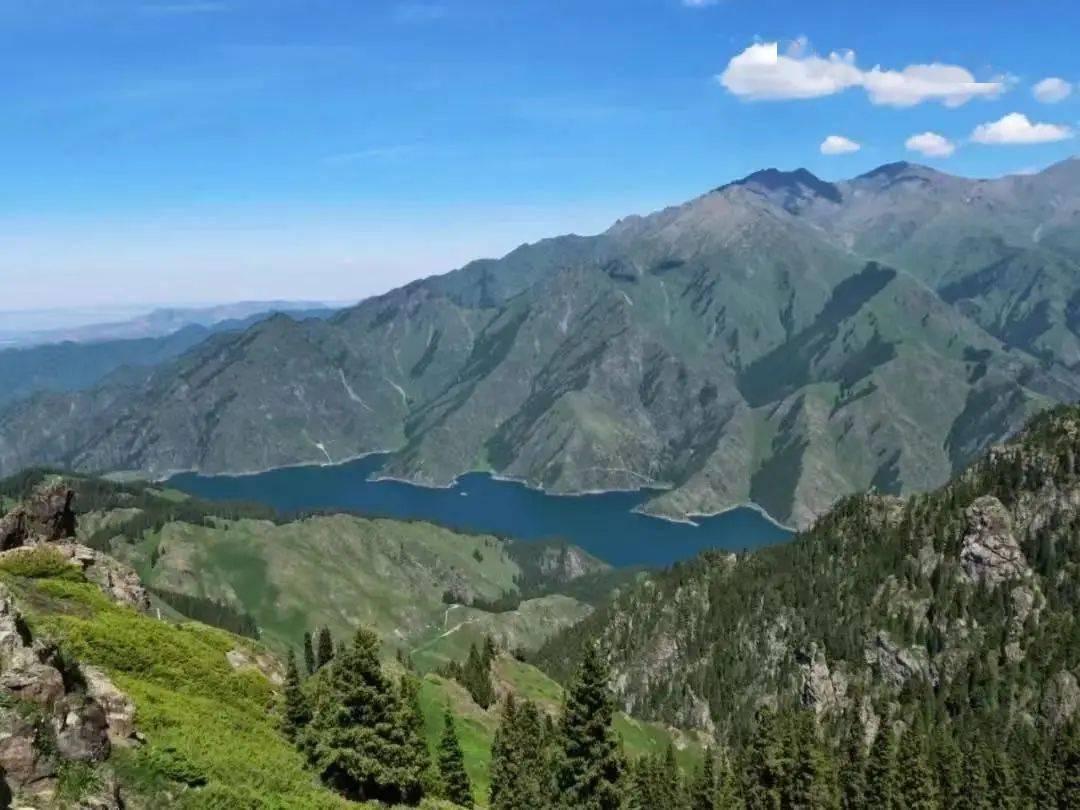
I still remember my second big mistake. In October 2021 I tried to drive the Duku Highway with a group of six from Shanghai. We reached the northern gate at 10:15 a.m. and found a chain across the road. A ranger told us the pass had closed the day before because of early snow at the 3,400-meter summit. We lost a full day and rerouted through Korla. That single afternoon taught me more about Xinjiang transport than any guidebook.
Once you are inside a city, local transport is straightforward. Urumqi’s metro has two lines that reach the railway station, the airport bus interchange, and the main shopping streets. Buses are crowded at rush hour but cost just ¥1, and ride-hailing apps work if you load a Chinese payment method before you land. In smaller towns a short taxi ride rarely exceeds ¥15, so the last mile is rarely the expensive part.
How to Get There
Most travelers arrive by air. Direct flights to Urumqi run from Beijing (about 4 hours, ¥1,300–2,000 depending on season), Shanghai (around 5 hours, ¥1,600–2,400), Chengdu (3.5 hours, ¥900–1,500), and Xi’an (3 hours, ¥700–1,200). If you prefer rails, the high-speed line from Lanzhou reaches Urumqi in roughly 11 hours, and the classic sleeper from Xi’an takes about 24 hours for ¥450 in a hard sleeper.
For reaching the south, Kashgar has its own airport with connections from Urumqi (2 hours, ¥600–1,100) and a growing number of direct western-China routes. Hotan and Aksu also have small airports that fill up fast in summer, so book early. Trains remain the budget backbone. The Urumqi to Kashgar sleeper is one of the great rail journeys in China, but seats sell out weeks ahead in July and August. Our Xinjiang by Train Travel Guide walks through the booking steps and the car types.
My colleague Dana, who runs our south-bound groups, tells clients to treat the flight as the easy part and the transfer as the real test. A 40-minute airport taxi can become two hours during the 8 a.m. rush on Renmin Road, so she builds a buffer into every arrival day. These Xinjiang Transportation Guide Tips assume you land in Urumqi first, then move outward.
Best Time to Visit
Spring (April to May) brings mild weather and thin crowds, but some mountain passes stay closed. I like April for city-hopping in the south, where the apricot blossoms around Kashgar are worth the trip.
Summer (June to August) is peak season. The Duku Highway and other mountain routes open, which is the only time you can drive straight from Urumqi to the south through the Tianshan. The trade-off is price and crowds. Flights cost more and train tickets vanish within minutes of release.
Autumn (September to October) is my favorite window. The Kanas forests turn gold, the roads are clear, and the heat eases. By late October, though, snow starts closing high passes, so plan a fallback route.
Winter (November to March) is quiet and cheap, yet several scenic roads shut and some buses run only twice a week. I recommend it only for Urumqi and the ski areas.
My clear recommendation: travel in the first three weeks of September. You get open roads, good prices, and far fewer tour buses than in July. My Xinjiang Transportation Guide Tips for autumn: book the south-bound train in early September, before the National Day rush pushes fares up.
Where to Stay
Budget travelers should look at hostels and budget chains near Urumqi Railway Station. I often put solo clients at the Soho Hostel on Beijing Road, where a bed runs ¥80 to 120 and the metro is two minutes away. Mid-range options like the Mercure Urumqi offer clean rooms around ¥350 to 500 and easy taxi access. For an upper stay, the Hilton or Sheraton near the airport corridor charge ¥700 to 1,100 but save you a long pre-flight drive.
In Kashgar, the old city has guesthouses from ¥150 that put you within walking distance of the Sunday market, while the business hotels near the new square start at ¥400. Book the old-city stays early; they are small and fill by Thursday for the weekend bazaar. When you map your Xinjiang itinerary, keep one night near each transport hub so a delayed connection does not sink the next day.
Food
You will eat well near every transport hub. At Urumqi station, the basement food court serves laghman (hand-pulled noodles) for ¥18 to 25 and samsa (baked meat pies) at ¥6 each. A full plate of mutton skewers with naan runs about ¥40 for one person.
In Kashgar, the alley cafes inside the old city pour milk tea for ¥5 and sell fresh naan for ¥3. My group’s usual dinner is polo (rice with carrot and lamb) at ¥25, followed by a plate of grapes from nearby farms at ¥10. None of this is fancy, but it is filling and safe before a long bus ride.
Xinjiang Transportation Guide Tips I Wish I Knew Earlier
The Xinjiang Transportation Guide Tips below come from real trips, not theory. If you plan to drive yourself, read our Xinjiang Self-Driving Guide before you sign a contract, because the rules differ from the rest of China.
- Book trains 15–30 days out in summer. The 12306 app releases seats at fixed times, so set an alarm.
- Hire a car with a local driver for remote routes. The daily rate looks high until you add fuel, parking, and the value of someone who reads the road signs.
- Carry cash in small bills. County bus stations and roadside stalls often cannot take foreign cards.
- Build a two-hour buffer around every airport transfer in Urumqi during morning rush.
- Download offline maps. Signal drops on the Duku Highway and across the Taklamakan edge.
- Check pass closures the night before. Snow or maintenance can close a road with little notice.
- Keep your passport and the entry stamp handy. Police checks are routine and quick if your papers are ready.
For route-by-route detail, our Xinjiang Transportation Guide guide breaks down each corridor with sample timings and transfer points.
Sample Itinerary
A practical transport-focused loop, built for first-timers:
- Day 1: Fly into Urumqi (URC), settle near the station, walk the International Bazaar.
- Day 2: Morning high-speed train to Turpan (1.5 hours), visit the ruins, return by 7 p.m.
- Day 3: Rent a driver, take the Duku Highway toward the south, overnight in a small town.
- Day 4: Continue to Kashgar by car or connect via an evening flight.
- Day 5: Old city walking day; fly out from Kashgar or take the sleeper back.
If you keep only three Xinjiang Transportation Guide Tips, make them the buffer, the driver, and the offline map. Those alone prevent most of the delays my groups used to hit.
FAQ
Do I need a special permit to travel in Xinjiang?
Foreign visitors need a valid Chinese visa and must register with police at each hotel, which happens automatically at check-in. Some border areas near the Pamirs require an extra travel permit obtained in Kashgar. Our Xinjiang Visa and Permit Guide lists the current documents and where to apply.
Is the train or the flight better for Urumqi to Kashgar?
The sleeper train is cheaper and scenic; the flight is faster. In summer the flight is the safer bet because train tickets sell out.
Can I drive myself?
You can, but most visitors hire a car with a driver. Road signs are in Chinese and Uyghur, distances are long, and fuel stops are far apart in the south.
How much should I budget for transport?
A two-week loop with a shared driver and mixed trains runs about ¥4,000 to 6,000 per person, not counting flights into Xinjiang.
Are buses reliable?
Between major towns, yes. To remote counties, services thin out in winter and may run only a few times a week.
Disclaimer
Prices, schedules, permits, and road openings change often. The figures above reflect my experience in 2019 to 2025 and may differ when you travel. Always confirm with official sources such as the railway app, your airline, and local tourism offices before you commit to a booking. This article shares personal experience, not guaranteed fact.