

Published: 2026-07-22 | Author: Karl Huang
When I planned my first Best Time for South Xinjiang Itinerary back in 2021, I made the classic mistake of arriving in Kashgar in early July. The streets were 38°C. The dust hung thick and the Karakul Lake road was jammed with tour buses. Two years later, in October 2023, I drove the same loop with three friends and the difference was night and day. This guide is built from those two trips and a dozen smaller runs since.
The South Xinjiang loop I run now covers Kashgar, the Pamir Plateau, Kuqa and the Tarim Basin, then returns via the Populus Euphratica forests. On the October trip we hired a 7-seat Toyota Hiace in Kashgar for ¥900 per day including the driver, and we slept in guesthouses that cost between ¥220 and ¥360 a night. Those numbers matter because timing changes both the price and the experience.
Quick Reference
| Stop | Location | Typical fee | Best time | Elevation / role |
|---|---|---|---|---|
| Kashgar Old City | SW Xinjiang | Free entry; some museums ¥30 | Apr–Oct | 1,289 m (hub city) |
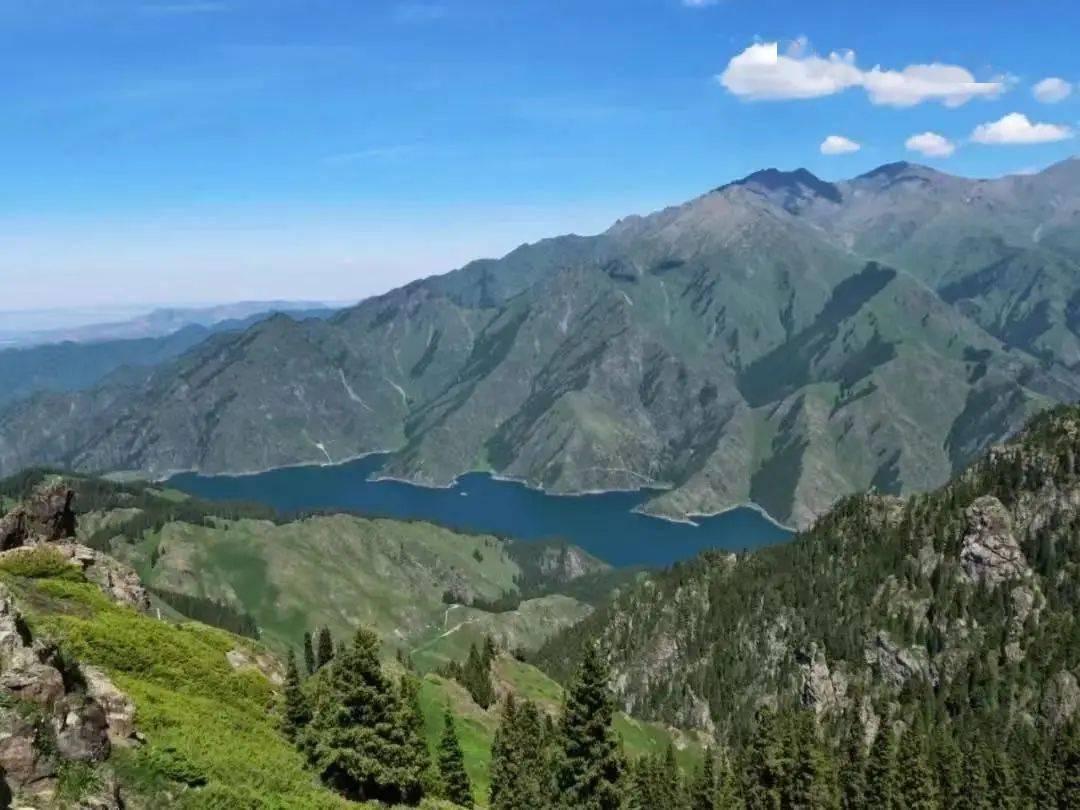
| Karakul Lake | Akto County, Pamir | ¥50 | Jun–Sep | 3,600 m (alpine lake) |
| Luntai Populus Euphratica Forest | N edge of Tarim | ¥45 + shuttle ¥20 | Mid-Oct | 950 m (golden desert forest) |
| Kizil Caves | Baicheng, near Kuqa | ¥70 | May–Oct | 1,200 m (Buddhist rock art) |
| Hotan Jade Market | Hotan | Free | Mar–Nov | 1,380 m (jade trading) |
How I Learned the Hard Way
The July 2021 trip taught me what not to do. We landed at Kashgar airport on a Tuesday, paid ¥60 for a taxi into the old city, and checked into a mid-range hotel for ¥420 a night. The first afternoon we walked the Id Kah Mosque square at 4 p.m. and the heat pushed 39°C. By the time we reached the Pamir checkpoint at Karakul Lake three days later, an afternoon thunderstorm had turned the dirt access road into axle-deep mud. We turned back.
In October 2023 the same drive was dry and fast. We left Kashgar at 8:15 a.m. with a packed breakfast of naan and boiled eggs, reached the lake by noon, and paid the ¥50 ticket without queuing. The water was a still steel blue under a clear sky. That single comparison is why I now tell every reader the same thing: pick your month before you book your flight.
A South Xinjiang Itinerary Xinjiang loop is not a quick add-on. It is a commitment of at least eight days if you want both the Pamir and the Tarim side. I keep a full version in our Xinjiang travel guide archive, but the timing logic below is what actually saves people money and disappointment.
How to Get There
Most travelers enter South Xinjiang through one of three gateways. Urumqi is the main air hub; a morning flight to Kashgar takes about 2 hours and cost me ¥1,180 in economy during October. Aksu and Hotan also have airports with limited connections.
From Urumqi you can take the train. The overnight soft-sleeper to Kashgar runs roughly 22 hours and costs ¥520, a good option if you want to save a hotel night and watch the desert roll past at dawn. I did this once and slept surprisingly well.
If you drive, the Duku Highway opens the north–south link but it is seasonal, usually closed from early November to May. From Kashgar, the G314 runs southwest to Tashkurgan and the Khunjerab Pass; from Kashgar east, the G3012 sweeps along the Tarim Basin toward Kuqa and Korla. For the loop I recommend hiring a driver rather than self-driving on your first run, and our South Xinjiang Itinerary Guide covers the exact fuel and toll costs.
Best Time to Visit: the Best Time for South Xinjiang Itinerary
The best time to visit South Xinjiang Itinerary depends on which section you prioritize, but if I had to name one window it is the last two weeks of October. If you only read one section of this guide, read the autumn paragraph. Here is the season breakdown.
Spring (April to mid-May). Apricot blossoms light up the old yards of Yarkand and Shache, and daytime temperatures sit around a pleasant 18–25°C. The Pamir is still cold and some passes carry late snow. This is a good shoulder season with thinner crowds.
Summer (June to August). The Tarim Basin bakes. Kashgar and Turpan regularly hit 35–40°C, and hotel prices climb 30–40% over the national holiday peaks. The upside is that the Pamir roads are fully open and Karakul Lake is at its bluest. I avoid summer now unless a client specifically wants the high pastures.
Autumn (September to early November). This is the sweet spot. September brings cool, dry days and the grape harvest around Turpan. Mid-to-late October is the peak for the Populus Euphratica forests, when the leaves turn a deep gold against the desert. I timed my 2023 loop for October 15–26 and hit the forest at exactly the right week.
Winter (November to March). Cold and quiet. Many guesthouses close, the Pamir is largely cut off, and the Khunjerab Pass shuts from roughly November to April. Prices drop hard, but so do your options. I only send experienced travelers in winter.
My clear recommendation for the Best Time for South Xinjiang Itinerary is the last two weeks of October. You get the forests, the open Pamir, and shoulder-season rates all at once.
Where to Stay
Budget. Family-run guesthouses inside Kashgar Old City run ¥180–280 a night. I stayed at one near the Id Kah Mosque for ¥220; the room was small but the rooftop breakfast view was worth triple. In smaller towns like Kuqa, clean business hotels start around ¥200.
Mid-range. Branded hotels in Kashgar and Aksu cost ¥360–520. On the October trip we used a mid-range place in Kuqa for ¥420 and it had reliable heating and a proper breakfast buffet, which mattered at 6 a.m. starts.
Upper. The top option in Kashgar runs ¥700–1,100 a night with a pool and a guide desk. In Tashkurgan, the best lodge sits at 3,100 m and charges ¥600–800; book it early because there are only a handful of rooms with good heating.
Food
South Xinjiang food is the part travelers remember longest. In Kashgar’s night market I paid ¥3 per mutton skewer (kawap) and ¥25 for a bowl of laghman noodles with peppers and tomato. A plate of big plate chicken (da pan ji) for two ran ¥88 and came with hand-stretched belt noodles underneath.
Breakfast is cheap and filling: a round naan for ¥3, a cup of milk tea for ¥5, and a boiled egg for ¥2. In Hotan I tried the local polo (carrot and rice with lamb) for ¥28 at a side-street canteen. In Kuqa, the baked buns (samsa) from a corner oven cost ¥6 each and came out hot at 9 a.m.
One tip: eat where the Uyghur families eat, not the nearest glass-fronted tourist restaurant. The same plate of pulao was ¥35 near the mosque and ¥68 two streets over toward the square.
Practical Tips
- Carry your passport at all times. The Pamir checkpoint at Opal, west of Kashgar, requires a border permit, and police may ask for ID on the G314.
- Book the Populus forest for mid-to-late October and check the leaf status with a local contact a week before you go; the gold window moves by as much as ten days each year.
- Pack for two climates. Kashgar can be 22°C while Karakul Lake sits near freezing. I bring a fleece and a wind shell even in October.
- Start driving days before 9 a.m. The light is better, the police checkpoints are faster, and you beat the midday heat on the basin roads.
- Download offline maps. Signal drops on the Pamir and along long stretches of the G3012. I keep a saved route in two apps.
- Bring cash in small notes. Many forest entrances and roadside stalls do not take cards or scan codes reliably.
Sample Itinerary
The timing below shapes the 10-day autumn loop I ran in 2023. Times are real, not rounded ideals.
- Day 1. Fly Urumqi to Kashgar (arrive 1:40 p.m.), check in, walk the old city, dinner at the night market. Overnight Kashgar.
- Day 2. Kashgar old city and the livestock market (Sunday only). Overnight Kashgar.
- Day 3. Drive G314 to Karakul Lake (¥50 ticket), continue to Tashkurgan. Overnight Tashkurgan.
- Day 4. Stone City and the White Sand Lake, return to Kashgar by evening. Overnight Kashgar.
- Day 5. Drive east to Kuqa via the G3012, stop at the Kizil Caves (¥70). Overnight Kuqa.
- Day 6. Kuqa Grand Canyon and the bazaar. Overnight Kuqa.
- Day 7. Long drive to Luntai, enter the Populus Euphratica Forest (¥45 + ¥20 shuttle). Overnight Luntai.
- Day 8. Continue to Korla, light walk by Bosten Lake. Overnight Korla.
- Day 9. Train or drive to Turpan for the grape harvest. Overnight Turpan.
- Day 10. Jiaohe Ruins and the Karez system, fly out from Urumqi or Turpan. Trip ends.
FAQ
What is the single best month for a South Xinjiang itinerary?
For the Best Time for South Xinjiang Itinerary, late October wins. You catch the Populus forests at their gold peak and the Pamir roads are still open, while summer crowds and prices have dropped.
Can I drive the loop myself?
Yes, but on a first run I suggest hiring a local driver. The G314 Pamir road and the Tarim basin routes have checkpoints and variable conditions. Our Xinjiang Self-Driving Guide lists the permits and fuel stops in detail.
Do I need a visa or a special permit?
The Pamir region near Tashkurgan needs a border permit issued in Kashgar, and foreign visitors need a valid China visa. Full detail is in the Xinjiang Visa and Permit Guide.
Is South Xinjiang safe for solo travelers?
I have sent solo travelers on this loop without trouble. Normal precautions apply: keep documents handy, avoid remote stretches after dark, and tell your hotel your route.
How much should I budget per day?
Excluding flights, a couple spending at mid-range hotels and local food should plan ¥700–1,000 per day including the driver. Budget travelers on guesthouses and buses can do it under ¥400.
What about the Populus forest — which one?
Luntai (north Tarim) is the largest and most famous; Zepu forest near Hotan is smaller but easier to reach. Both peak in mid-to-late October, and both are covered in our broader Xinjiang Itinerary planning notes.
Disclaimer
Prices, permits, and opening dates in this article reflect my own trips through 2023 and may change. Border permit rules, park fees, and the seasonal closure of the Duku Highway and Khunjerab Pass vary year to year. Always confirm current details with official sources such as the Xinjiang tourism bureau and your embassy before you travel. This article shares personal experience and is not formal travel advice.