

Published: 2026-07-21 | Author: Karl Huang
The most useful South Xinjiang Itinerary Guide I ever put together started with a missed connection. In October 2023 I flew China Southern from Urumqi to Kashgar on flight CZ6805, ticket ¥1,980, departure 08:15. I had planned three days in the south and stayed eleven. My driver, a Uyghur man named Ablimit, met me at the arrival hall at 11:40 with a white Toyota Land Cruiser and a thermos of black tea. By the time we reached the Id Kah Mosque the light was already sideways and golden, and I knew the plan was wrong.
That trip taught me that a South Xinjiang itinerary in Xinjiang runs on a different clock than the north. The distances are longer, the checkpoints are real, and the payoff is a kind of travel you do not get near Urumqi or the Kanas forests. A South Xinjiang itinerary Xinjiang veterans recommend starts in Kashgar, not Urumqi. This South Xinjiang Itinerary Guide is built from that trip and three later ones, with prices I actually paid and the mistakes I made so you do not have to.
Quick Reference
| Stop | Location | Entry fee (2025) | Best time | Elevation / role |
|---|---|---|---|---|
| Kashgar Old City | Kashgar, 39.47°N | Free to wander; Id Kah Mosque ¥30 | Apr–Oct | 1,289 m, regional hub |
| Karakul Lake | G314, Akto County | ¥50 | May–Oct | 3,600 m, Pamir lake |
| Khunjerab Pass | Tashkurgan, border | Border permit + passport check | Jun–Sep | 4,693 m, frontier |
| Taklamakan Desert Highway | Aksu to Hotan | Toll ~¥0.4 per km | Oct–Apr (cool) | ~1,000 m, desert crossing |
| Yarkand (Shache) | South of Kashgar | Free old town | Apr–Oct | 1,200 m, Silk Road town |
Why I Built This South Xinjiang Itinerary Guide
Most itineraries I read before my first trip treated the south as a one-night stop in Kashgar on the way somewhere else. That is a real loss. On my second morning Ablimit took me to the Kashgar Travel Guide routes around the old city before the tour buses arrived at 09:30. We walked the lanes of the Uyghur quarter while bakers pulled round naan from the tandoor and the call to prayer rolled across the rooftops. I paid ¥3 for a naan still hot enough to scald my fingers.
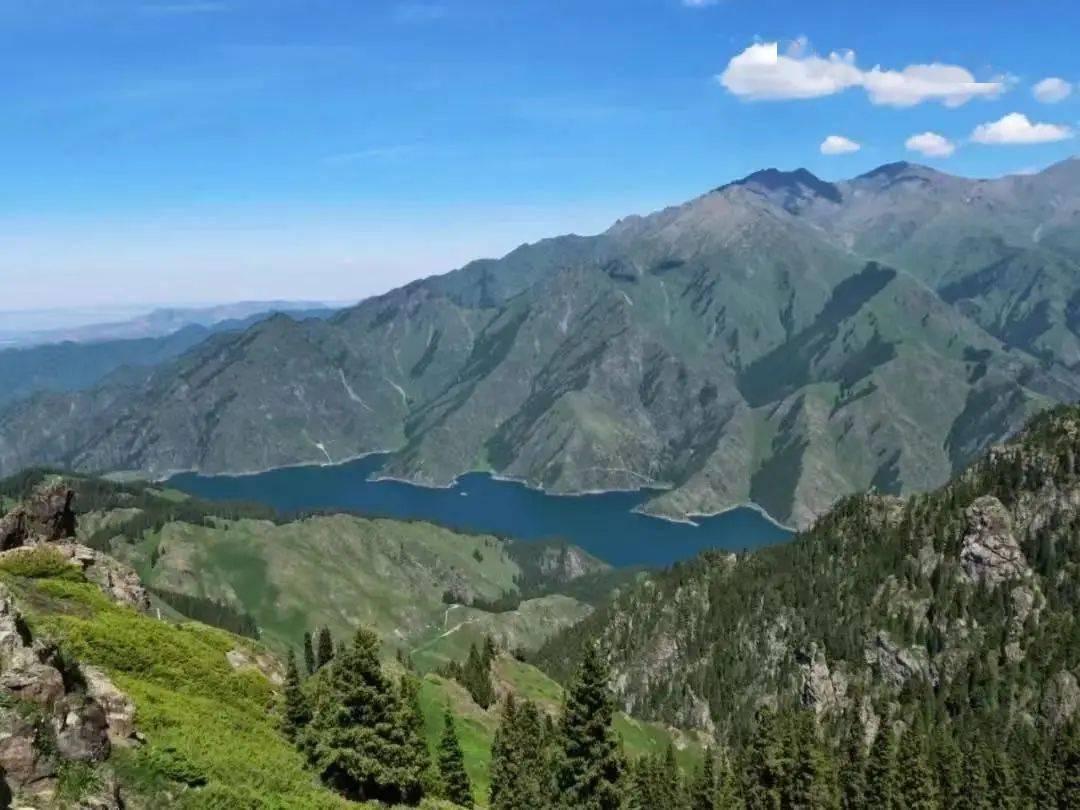
Two days later we drove the G314 toward the Pamirs. The road climbs hard and the air thins. At Karakul Lake I stayed in a yurt with a Kyrgyz family for ¥150 per person, including a dinner of boiled mutton and flatbread. The next morning Muztagh Ata rose white and close across the water. That view alone justified the whole detour, and it is the part most people skip because they are afraid of the permits. The permits are not hard, and I cover them below.
This South Xinjiang Itinerary Guide is the route I now hand to friends. It is not the fastest way through the region. It is the version that lets you actually see it.
How to Get There
Kashgar is the gateway, and almost everyone arrives by air or rail. Direct flights run from Urumqi (about 2 hours, ¥1,200–¥2,000 depending on season) and there is a growing set of connections from Chengdu and Xi’an. The train from Urumqi takes roughly 24 hours on the fast line and costs ¥650–¥1,100 for a sleeper. I have done both; the flight saves a day, the train saves money and shows you the scale of the land.
From Kashgar you have two real choices for moving around. You can hire a driver, which is what I recommend for the Pamir stretch. A private 4×4 with a driver ran me ¥900 per day in 2023, fuel included, and the driver handles the checkpoint paperwork. Or you can self-drive using the Xinjiang Self-Driving Guide routes if you already hold a Chinese license or an approved international permit. The desert highway between Aksu and Hotan is paved and boring in the good way: 450 km of straight road with one fuel stop at the midpoint.
Buses exist but they are slow and they leave you stranded at places with no lodging. For a first South Xinjiang trip, a driver is worth the cost.
Best Time to Visit
South Xinjiang splits cleanly by season, and the right month depends on which half you want.
Spring (April–May). The old cities are mild and the apricot trees around Yarkand bloom. Dust storms pick up toward late May, so April is the safer bet. Hotel prices sit at their annual low.
Summer (June–August). This is the only window for the Pamirs and Khunjerab Pass. Snow clears from the high road and the border opens. Kashgar itself gets hot, often above 35°C, but the mountains stay cool. Book drivers two weeks ahead; this is peak season for the plateau.
Autumn (September–October). My favorite. The desert highway is comfortable, the light is clean, and the poplar forests near Yarkand turn gold. This is when I shot most of my best photos and paid the least for a quiet road.
Winter (November–March). Cold and quiet. The Pamir road closes or becomes risky. Kashgar stays open and cheap, but I would not plan a first trip around winter unless you specifically want solitude and low prices.
My recommendation: aim for the last two weeks of September or the first two weeks of October. You get the plateau if you go early, the poplars if you go later, and you miss the worst of the summer crowds and the spring dust.
Where to Stay
Budget. Family guesthouses inside the Kashgar old city run ¥120–¥220 a night. I stayed at one near the Id Kah for ¥220 and the rooftop view of the mosque was worth triple. On the Pamir road, yurts at Karakul Lake cost ¥150 per person with meals.
Mid-range. The Seman Hotel in Kashgar, a former Russian consulate, runs ¥450–¥600 and is the classic choice with real history and a garden. In Tashkurgan, the Pamir Hotel is around ¥380 and has heating that works, which matters at 3,000 m.
Upper. Newer business hotels near Kashgar’s airport go for ¥700–¥1,000 and give you reliable heating, western breakfast, and quiet. If you are combining the south with a longer Xinjiang Budget Travel Guide plan, spend the money here at the ends of the trip and save in the middle.
Food
South Xinjiang food is the best in the region, and it is cheap. In Kashgar’s night market I ate hand-pulled laghman noodles for ¥18, mutton kebabs at ¥5 per skewer, and a bowl of wonton soup for ¥12. A full plate of polo (Uyghur pilaf with carrot and raisin) cost ¥25 and fed me twice.
On the Pamir road options thin out. In Tashkurgan I had yak meat dumplings for ¥30 and butter tea for ¥8. Carry cash and snacks; card readers fail past the last town. The Xinjiang Visa and Permit Guide I wrote covers the document side, but the food rule is simple: eat where the locals queue, and order one of everything to share.
One warning I learned the hard way. At 3,600 m your stomach is slower. I ate a huge plate of greasy mutton in Tashkurgan and felt off for a day. Keep the first high-altitude meals light.
Practical Tips
- Get the Pamir border permit at the Kashgar Public Security Bureau. Bring your passport, a photo, and your hotel address. The window opened at 10:00 and I was done in two hours. Without it, the G314 past the checkpoint is closed to you.
- Carry cash in small bills. ATMs in Kashgar work, but the plateau towns do not always.
- Acclimatize before the Pamirs. Sleep a night in Kashgar at 1,289 m before driving to 3,600 m the next day.
- Fill fuel at every chance past Kashgar. The desert and plateau stretches have long gaps between stations.
- Photograph checkpoints only when a uniformed officer says yes. Most are fine with the landscape, none are fine with the guard post.
- Download maps offline. Signal disappears for hours on the G314 and the desert highway.
Sample Itinerary
This is the South Xinjiang Itinerary Guide version I actually ran, trimmed to a clean shape.
Day 1. Fly into Kashgar, walk the old city after 17:00, sleep near Id Kah.
Day 2. Kashgar bazaar in the morning, apply for the Pamir permit, dinner at the night market.
Day 3. Drive G314 to Karakul Lake, stop at the White Sand Lake and Oytagh Glacier Park, sleep in a yurt.
Day 4. Continue to Tashkurgan, visit the Stone City ruins, sleep at the Pamir Hotel.
Day 5. Push to Khunjerab Pass if the border is open, return to Tashkurgan.
Day 6. Drive back to Kashgar, rest and eat well.
Day 7. Day trip to Yarkand (Shache) for the old town and apricot orchards.
Day 8. Fly or train out, or start the desert highway toward Hotan.
Day 9–11. Cross the Taklamakan on the desert highway, stop at Hotan for the jade market and the night market, then fly home from Hotan or loop back.
FAQ
How many days do I need for South Xinjiang?
A minimum of six days covers Kashgar and the Pamirs. Eleven days lets you add Yarkand and the Taklamakan crossing, which is the version I recommend for a first trip.
Do I need a border permit for the Pamirs?
Yes. The Pamir permit is free but mandatory past the G314 checkpoint. Apply in Kashgar with your passport; allow half a day. Foreign travelers should also confirm their mainland visa allows Xinjiang, which it normally does.
Is South Xinjiang safe for foreign visitors?
I have walked the old city alone at night and never felt unsafe. The main risks are altitude and distance, not crime. Register at your hotel as required and keep your passport handy for checks.
What is the road condition like?
The G314 to the Pamirs is paved and well maintained but narrow and cliff-sided in places. The desert highway is wide and flat. A normal car handles both in good weather; a 4×4 helps if you leave the main road.
When is the cheapest time to go?
November through March has the lowest hotel and flight prices, but the Pamirs close. For the full route, early October after the National Day crowds leave is the best value window.
Disclaimer
Prices, permit rules, and road openings in this South Xinjiang Itinerary Guide change. The fees and timings above reflect what I paid in 2023–2025 and may shift with the season, with exchange rates, or with local policy. Border permit procedures in particular can change without notice. Always confirm current details with official sources, your hotel, or the Kashgar Public Security Bureau before you travel, and buy travel insurance that covers altitude and remote areas.