

Published: 2026-07-21 | Author: Karl Huang
A 14-Day Xinjiang Itinerary sounds generous until you stand at the Urumqi airport with a rental car key and realize the region is larger than Western Europe. I have now driven this loop four times, the last in September 2025 with two friends who had never left the east coast of China. We covered 3,100 kilometers in two weeks, paid about 9,400 yuan all-in for three people, and made every classic rookie error at least once. This article is the list of 14-Day Xinjiang Itinerary Tips I wish someone had handed me before that first trip.
Quick Reference
| Stop | Location | Entry fee | Best time | Elevation / role |
|---|---|---|---|---|
| Urumqi | North foothill | Free to enter | May to Oct | 800 m, hub and airport |
| Duku Highway | Tianshan spine | Free, fuel only | Jun to Sep | up to 3,400 m, the main road |
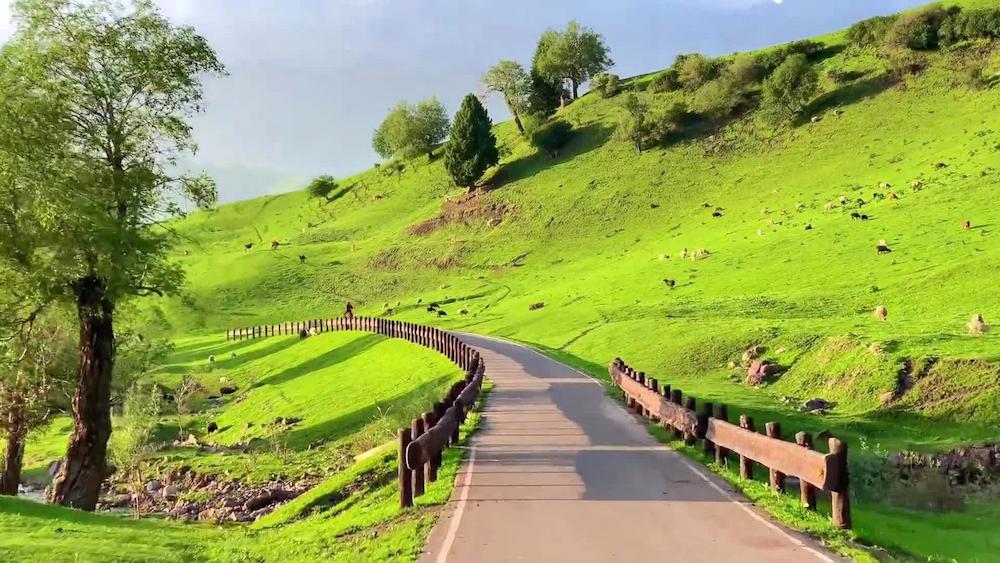
| Nalati Grassland | Yili Valley | 95 yuan | Jun to Aug | 1,800 m, summer pasture |
| Kashgar Old City | Far west | Free | Apr to Oct | 1,200 m, culture core |
| Pamir Plateau | Tashkurgan | Border permit | May to Sep | 3,000+ m, southern end |
| Karamay Ghost City | North rim | 42 yuan | Apr to Oct | 300 m, geology stop |
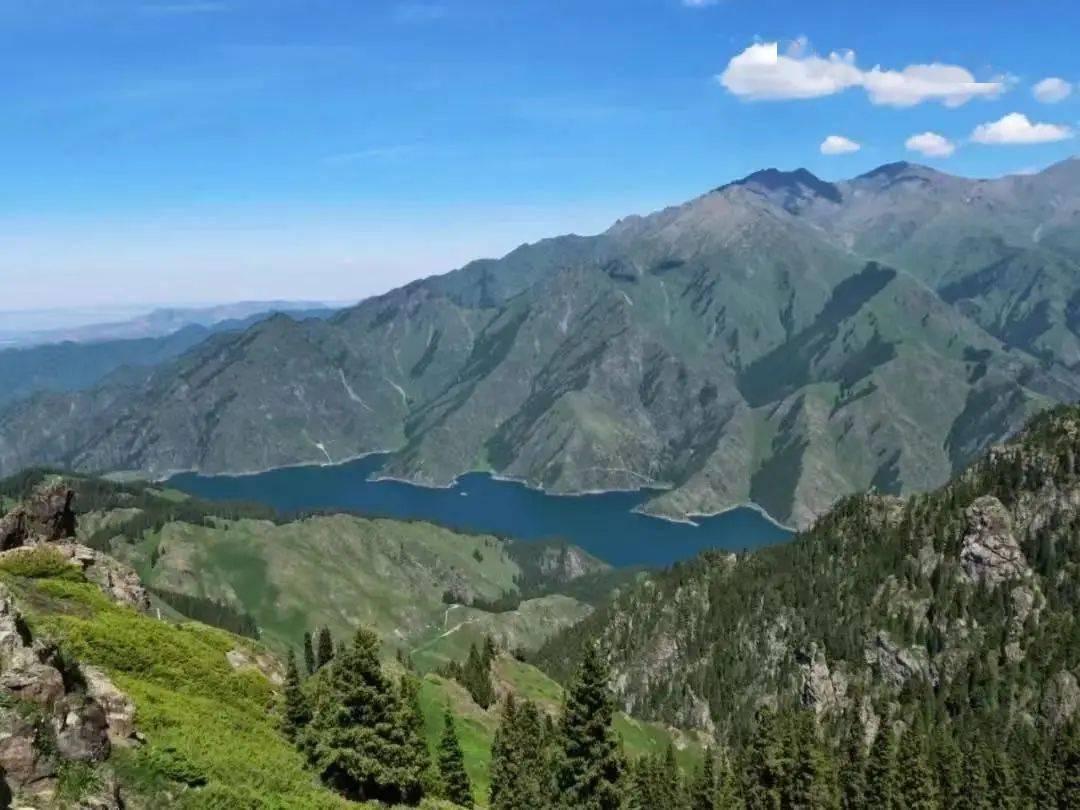
14-Day Xinjiang Itinerary Tips From the Driver’s Seat
Our first mistake was the schedule. I had booked a hotel in Kashgar for night seven, which forced a 690-kilometer push from Korla in a single day. We left at 6:40 a.m., hit the Duku Highway closure at 8 p.m. because it had rained at the pass, and slept in the car at a truck stop near Toksun. The 14-Day Xinjiang Itinerary Tips below all came from nights like that one.
The second lesson arrived in the Pamir. My friend carries a passport from a country that needs a border permit for Tashkurgan, and we had not applied in Kashgar two days earlier. The officer at the checkpoint was polite but firm. We turned back. That wasted a full day and 600 yuan in fuel. Since then I tell every traveler to sort the paperwork before leaving Kashgar, never after.
The loop rewards slowness. The best meal of the trip was not in a famous restaurant but at a roadside naan oven outside Kuqa where the baker pulled flatbread from the clay wall at 3 p.m. We paid 3 yuan each. The worst moment was a 280 yuan surcharge someone tried to add to a hotel in Yining until I showed the booking on my phone. Knowing the real price is its own kind of tip.
How to Get There
Most travelers fly into Urumqi Diwopu International Airport. A direct flight from Beijing takes about 4 hours and costs 1,400 to 2,200 yuan depending on season. From Shanghai it is closer to 5.5 hours and 1,800 to 2,600 yuan. From Guangzhou, budget 2,000 to 3,000 yuan for the 6-hour hop.
Within the region you have two real choices. Self-driving gives you the loop; the train gets you between hubs fast but leaves the grasslands unreachable. I strongly suggest picking up a car in Urumqi. A compact SUV from a national chain ran us 380 yuan per day in September, with unlimited mileage and full insurance. Fuel for the whole 3,100-kilometer loop was about 1,900 yuan. For the road rules and a full driving plan, see the Xinjiang Self-Driving Guide.
If you would rather not drive, the Xinjiang by Train Travel Guide explains the rail options, but plan to join local tour buses for the valleys. That trade-off costs you flexibility you will feel by day four.
Best Time to Visit
Spring, from April to early May, opens the south. Kashgar and the Tarim Basin are comfortable, with daytime highs near 22°C. The north is still cold and many mountain passes stay shut. This is the season for culture and desert, not for the grasslands.
Summer, June through August, is the green window. Nalati and Bayinbuluke turn lush, and the Duku Highway is open end to end. The trade-off is heat in Turpan, where it regularly passes 40°C, and crowded weekends at the famous sites. I still rate this as the best all-round season for a first 14-day trip.
Autumn, September into early October, is my personal favorite. The poplar forests along the Tarim turn gold, the crowds thin, and the air is dry and clear. Daytime in the north runs a pleasant 18 to 25°C. This is when I took that September 2025 loop, and the photos needed no filter.
The 14-Day Xinjiang Itinerary Xinjiang travelers ask me about most is the Urumqi to Kashgar loop above, and autumn is when it shows best. Winter closes much of the loop. The Duku Highway shuts with snow, and many valley hotels board up. Only Urumqi and the ski resorts stay busy. My clear recommendation: travel between June and early October, with September as the sweet spot for photography and calm roads. These 14-Day Xinjiang Itinerary Tips hold whichever season you pick, though autumn asks the least of you.
Where to Stay
Budget stays are easy to find. County-level hotels in places like Kuqa, Yining, and Korla run 150 to 260 yuan a night for a clean double with private bath. We used these on nine of our fourteen nights and never had a bad one. Book the same day on your phone; walk-in prices were often higher. The Xinjiang Budget Travel Guide breaks the per-person numbers down further.
Mid-range choices, 350 to 600 yuan, get you a proper international chain in the big cities and the better grassland lodges near Nalati. The Kazak yurt stays inside the park cost us 480 yuan with breakfast and were worth it for the sunrise over the valley.
Upper-end options, 800 to 1,400 yuan, sit in Urumqi, Kashgar, and a few resort towns. They add consistent hot water, better soundproofing, and staff who speak some English. If you are arriving tired from a long flight, spend the first night up here and drop to mid-range once you are on the road.
Food
Xinjiang food is the cheapest highlight of the trip. A plate of dapanji (big-plate chicken with noodles) feeds two and runs 45 to 68 yuan. Hand-pulled laghman noodles cost 18 to 28 yuan. Chuanr lamb skewers go for 3 to 6 yuan each; order ten and you have dinner.
In Kashgar the Sunday livestock market area has mutton shashlik and fresh samsa pastries at 4 yuan a piece. In Urumqi the International Grand Bazaar food row charges tourist prices, so walk two streets west to eat for half. A full day of eating well costs about 90 to 130 yuan per person if you avoid the hotel restaurants.
Carry small cash. Many roadside ovens and village stalls do not take cards or foreign-linked apps. I keep 300 yuan in notes for exactly this, and it has saved a meal more than once.
Practical Tips
The following 14-Day Xinjiang Itinerary Tips cover the daily mechanics that separate a smooth loop from a stressful one.
- Apply for the Tashkurgan border permit in Kashgar as soon as you arrive, not on the day you plan to drive south. The office closes at 7 p.m. and needs your passport.
- Download offline maps before leaving Urumqi. Signal drops for long stretches on the Duku Highway and in the western valleys.
- Pack for two climates. Mornings on the Pamir can sit near 5°C while Turpan bakes at 40°C the same week. Layers beat a heavy coat.
- Drive before 9 a.m. on long transfer days. The Duku Highway and the Korla to Kashgar run are safer and prettier before the afternoon winds pick up.
- Keep your fuel tank above half. Gas stations thin out past Aksu and on the plateau, and some require a security check that adds time.
- Show your hotel booking on your phone at check-in. It ends most special price for visitors attempts before they start.
- Haggle gently at markets but pay the marked price at bakeries and noodle shops. The savings there are small and the goodwill is worth more.
Sample Itinerary
This is the shape that worked on our September run, paced for real roads rather than a brochure. These 14-Day Xinjiang Itinerary Tips assume you drive, which is the only way to keep the timing honest.
- Day 1: Fly into Urumqi, pick up the car, sleep near the airport.
- Day 2: Urumqi to Karamay Ghost City (320 km), photograph at late light, overnight Karamay.
- Day 3: Karamay to Bayinbuluke via the northern Duku (430 km), overnight grassland guesthouse.
- Day 4: Bayinbuluke to Nalati (160 km), afternoon pasture walk, overnight Nalati.
- Day 5: Nalati to Yining (250 km), evening stroll and food, overnight Yining.
- Day 6: Yining to Kuqa through the southern Duku (360 km), overnight Kuqa.
- Day 7: Kuqa rest day, Kizil Caves and the grand canyon, overnight Kuqa.
- Day 8: Kuqa to Aksu to Kashgar (690 km), apply for the border permit on arrival.
- Day 9: Kashgar Old City walking day, Sunday market if the timing fits.
- Day 10: Kashgar to Tashkurgan on the Karakoram, overnight plateau town.
- Day 11: Tashkurgan to White Sand Lake and back, overnight Kashgar.
- Day 12: Kashgar to Korla (1,070 km); we drove and split it with a stop.
- Day 13: Korla to Turpan (330 km), Grape Valley and the bazaar, overnight Turpan.
- Day 14: Turpan to Urumqi (190 km), return the car, fly out.
For a tighter version of the same idea, the 14-Day Xinjiang Itinerary Guide lays out the booking logic in more detail. A written 14-Day Xinjiang Itinerary guide pairs well with these tips once you start booking hotels.
FAQ
Is 14 days enough for Xinjiang?
It covers the classic north-south loop but skips the far Altai in the northeast. Most first-time visitors find 14 days just right. If you want Kanas and Hemu as well, you need to drop the Pamir or extend to 18 days.
Do I need a special visa for Xinjiang?
Foreign visitors need the same China visa as anywhere else, plus a border permit only for Tashkurgan county in the south. The rest of the region is open with normal ID. The Xinjiang Visa and Permit Guide lists the exact documents.
How much should I budget per person?
Two of us sharing a car and mid-range rooms spent about 3,100 yuan each, excluding the flight in. Solo travelers paying for their own room and car land closer to 5,000 yuan.
Can I do this by public transport?
Yes, with caveats. Trains connect Urumqi, Turpan, Korla, Aksu, Kashgar, and Yining, but the grasslands and the Duku Highway need a car or a joined tour. Plan extra days if you go train-only.
Is the food safe for sensitive stomachs?
Mostly yes. Stick to hot, cooked dishes and bottled water. The lamb is lean and the bread is fresh. I had no trouble across four trips, though I avoided raw salads washed in tap water.
What should I pack that people forget?
A physical map, a power bank, lip balm, and a light down jacket. The dryness and altitude surprise people, and the jacket earns its place on every plateau morning.
Disclaimer
Prices, permits, road openings, and hotel rates change often. The figures above reflect my own trips in 2024 and 2025 and are shared as planning estimates, not guarantees. Always confirm the current China visa rules, the Tashkurgan border permit process, and Duku Highway seasonal closures with official sources before you book. Check the latest on the ground through your hotel or a local agent, since conditions on the plateau can shift within a single week.