

Published: 2026-07-21 | Author: Karl Huang
I still remember the moment in September 2024 when I stood in Urumqi airport at 6:40 a.m. with a rental-car key in my hand and realized my whole week only worked because I had picked the right dates. A Xinjiang itinerary of this length is a tight puzzle, and the Best Time for 7-Day Xinjiang Itinerary is the decision that opens or closes half the route. The Duku Highway had opened just eleven weeks earlier, the Turpan grapes were ripening, and the Bayinbuluke grasslands were turning gold. Choose the same route in February and half of it is closed by snow. This guide to the Best Time for 7-Day Xinjiang Itinerary explains, month by month, the real trade-offs I learned on the road.
Quick Reference
| Item | Detail |
|---|---|
| Loop covered | Urumqi to Turpan to Korla to Kuqa to Bayinbuluke to Nalati and back (northern Tianshan plus the Duku corridor) |
| Best windows | Late May through June (wildflowers, Duku open) and September (autumn color, thin crowds) |
| Months to avoid | July and August (Turpan passes 40°C) and October 1 to 7 (National Day Golden Week crowds) |
| Duku Highway season | Usually open June 1 to September 30, weather permitting |
| Mid-range budget | ¥4,500 to ¥6,500 per person for seven days |
| Trip role | Balanced sampler: deserts, canyons, grasslands, and Silk Road old towns |
What Seven Days on the Road Taught Me
My own loop began with a China Southern flight that touched down in Urumqi at 1:15 a.m. after a weather delay. I had booked the 7-Day Xinjiang Itinerary route I now recommend to readers, but the calendar did the heavy lifting. We drove out of the city at 8:30 that first morning and reached Turpan by noon. The Grape Valley was heavy with fruit, and a family-run stall sold us a kilogram of seedless white grapes for ¥12. That small moment told me the timing was right.
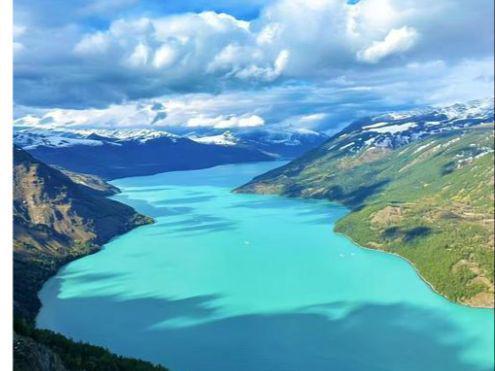
Two days later we climbed toward Bayinbuluke. In early October that road would have been shut, but in mid-September the switchbacks were clear and the grassland below glowed a deep yellow. We paid ¥65 each at the gate and spent three hours watching swans circle the reflecting lakes. The point is simple: a 7-day plan compresses northern and central Xinjiang into a narrow band, and the band only opens for a few months each year.
How to Get There
Most travelers fly into Urumqi Diwopu International Airport (URC). A direct flight from Beijing takes about four hours and costs ¥1,400 to ¥2,200 depending on season. From Shanghai or Guangzhou, budget six hours and ¥1,800 to ¥2,800. The airport shuttle to the city center runs every 30 minutes and costs ¥15; a taxi to a downtown hotel runs ¥60 to ¥90.
Once in Urumqi you have two choices. Hire a driver for roughly ¥900 to ¥1,300 per day including fuel, or self-drive. The Duku corridor is paved and well signed, but distances are long: Turpan to Korla is 320 km, Korla to Kuqa another 260 km. Trains also connect Urumqi, Turpan, and Korla if you want to skip the desert drive and save energy for the mountains.
Best Time to Visit: the Best Time for 7-Day Xinjiang Itinerary
The Best Time for 7-Day Xinjiang Itinerary comes down to two short seasons, with a narrow shoulder in between. Here is how each month behaves on the northern Tianshan loop.
April to mid-May. The low deserts warm fast, but the high passes stay closed. Duku usually opens around June 1, so an April trip means you cannot complete the central loop. Skip it unless you only want Urumqi and Turpan.
Late May to June. This is my first pick. The Duku Highway is open, Nalati and Bayinbuluke wear fresh green, and wildflowers carpet the roadside near Kuqa. Daytime highs sit around 22°C to 28°C. Crowds are light because domestic school holidays have not started. Book hotels a week ahead, not a month, and you will find rooms easily.
July to August. The mountains are beautiful, but Turpan becomes brutal, often above 40°C at midday. Flights and hotels cost more, and the Duku corridor sees heavy weekend traffic. If you must travel now, start desert drives before 9 a.m. and save the grasslands for the cooler afternoons. A 10-Day Xinjiang Itinerary works better in summer because it lets you drop south to Kashgar, where the heat is milder than the Turpan basin.
September. My second pick, and the one I used. Autumn color peaks from the first week to the end of the month. The air is crisp, the grapes are still in season early in the month, and Chinese tour groups thin out after the August rush. Daytime is 18°C to 25°C. This is the calmest, most photogenic window for the whole loop.
October 1 to 7 (Golden Week). Avoid. Domestic tourism peaks, hotel prices double, and the Duku corridor can close for control traffic. The scenery is still fine, but the experience is crowded and expensive.
October 8 to early November. Quiet and cheap, but the high grasslands may close after the first snow. Good only if you stay low and accept that Bayinbuluke might be off the table.
December to March. The loop is largely closed. Duku is shut, mountain guesthouses board up, and only Urumqi and Turpan stay open. Save this season for the city and the ski resorts instead.
My recommendation: target the last two weeks of September for color and calm, or the first three weeks of June for green pastures and open roads. Both beat summer on comfort and price.
Where to Stay
Budget. In Urumqi, hostels and budget chains near the International Grand Bazaar run ¥120 to ¥200 a night. In smaller towns like Kuqa and Korla, clean business hotels start at ¥180. Book these the day before; they rarely sell out outside Golden Week.
Mid-range. Expect ¥350 to ¥550 for a solid four-star room in Urumqi, Turpan, or Korla. The Silk Road Hotel in Urumqi and similar properties include breakfast and free parking, which matters if you self-drive. In Bayinbuluke, mid-range yurts and lodges run ¥300 to ¥450 and fill fast in September, so reserve three days ahead.
Upper. Five-star towers in Urumqi reach ¥800 to ¥1,400 a night, with better heating and reliable Wi-Fi. Near the grasslands, the few premium lodges charge ¥700-plus for a heated cabin with a valley view. Worth it in September when nights drop near freezing.
Food
Xinjiang eating is the easiest part of the trip. In Urumqi, a plate of hand-pulled laghman noodles costs ¥18 to ¥28, and a full da pan ji (big-plate chicken) for two runs ¥68 to ¥98. Turpan’s Grape Valley stalls sell fresh seedless grapes at ¥8 to ¥15 a kilo in season, and the local raisins make a cheap gift.
In Korla, try the pear (the city is famous for it) at ¥10 a kilo in autumn, and grilled lamb skewers (kawap) at ¥3 to ¥5 each along the night market. Kuqa’s bakery rows sell nang flatbread for ¥2 to ¥4; buy three and they will last the whole drive. At Bayinbuluke, hot mutton soup with flatbread warmed us after a cold evening for ¥35 a bowl.
Budget about ¥120 to ¥180 per person per day for food if you mix stalls and sit-down meals. Vegetarians do fine on noodles, bread, tomatoes, and peppers, though meat-free options shrink in remote towns.
Practical Tips
- Book your Urumqi flight first, then build the 7-day loop around the Duku opening date (usually June 1). Do not commit to the central mountains before the road is confirmed open.
- Carry your passport at all times. Police checkpoints appear on the Duku corridor and near border areas, and a copy is not always accepted on the spot.
- Pack for two seasons. A September day can be 24°C at noon and 4°C after dark on the grassland. Bring a warm layer even if the forecast looks mild.
- If you self-drive, read the Xinjiang Self-Driving Guide first. Fuel stations thin out past Kuqa, so top up whenever the tank drops below half.
- Download offline maps. Mobile signal cuts out for long stretches on the Duku Highway, and you do not want to miss the Bayinbuluke turn.
- Start desert legs before 9 a.m. in summer. Turpan at noon in July is not just hot, it is a planning problem that eats your whole day.
Sample Itinerary
This is the September version I drove, timed for open roads and autumn color.
- Day 1: Land in Urumqi at night (flight from Beijing, ¥1,600). Sleep near the bazaar. Rest.
- Day 2: Drive to Turpan (190 km, 2.5 hrs). Grape Valley, Jiaohe Ruins, Karez system. Overnight Turpan.
- Day 3: Turpan to Korla via the desert highway (320 km). Evening walk by Bosten Lake. Overnight Korla.
- Day 4: Korla to Kuqa (260 km). Kuqa Grand Canyon, old-town bazaar. Overnight Kuqa.
- Day 5: Kuqa north on the Duku Highway to Bayinbuluke (260 km, 5 hrs with stops). Swan Lake at dusk. Overnight Bayinbuluke.
- Day 6: Bayinbuluke to Nalati to a grassland stay (150 km). Short hikes, Kazakh yurt visit. Overnight Nalati.
- Day 7: Nalati back to Urumqi (420 km, 6 hrs). Return the car, fly out evening.
FAQ
Is June or September better for a 7-day trip?
Both work. June gives green grasslands and the freshest Duku conditions right after opening. September gives autumn color, cooler days, and fewer groups. I lean September for photos and June for hiking.
Can I do this loop in winter?
No, not the full loop. The Duku Highway and the high grasslands close with snow from roughly November to May. In winter, keep to Urumqi, Turpan, and the ski resorts.
Do I need a special permit?
The northern Tianshan loop itself does not need a border permit, but you must carry ID at checkpoints. If you extend south to Kashgar or the Pamirs, see the Xinjiang Visa and Permit Guide for the border-region paperwork.
How much should I budget total?
A mid-range 7-day trip runs ¥4,500 to ¥6,500 per person: ¥1,600 flight, ¥2,500 to ¥3,500 hotels and driver or fuel, ¥900 to ¥1,200 food, plus ¥400 tickets. Cut it by staying in budget hotels and taking trains between cities.
Is 7 days enough for Xinjiang?
Enough for a strong sampler of the north and center, but not for the whole region. If Kashgar and the south interest you, plan ten days or more. Seven days is the minimum I would recommend for a first visit.
What if it rains during my week?
Mountain rain is usually short. The Duku Highway may close for a few hours during heavy weather, then reopen. Keep one flexible afternoon in Urumqi or Korla as a buffer so a closure does not wreck the plan.
Disclaimer
Prices, opening dates, and permit rules in this article reflect my own trips and public information available in 2024 to 2026. The Duku Highway opening date, hotel rates, ticket fees, and checkpoint requirements change from year to year and can shift with weather or policy. Always confirm current details with official sources, your hotel, and the local tourism office before you travel. Nothing here is a guaranteed quote, and you act on this guidance at your own risk.