

Published: 2026-07-22 | Author: Karl Huang
I have planned more than forty Xinjiang routes for foreign travelers, and the single thing that derails the most of them is paperwork. A Xinjiang Visa Guide Itinerary is what I call a route where the visa and the border permit are booked as real days, not left to chance. In June 2025 I helped a couple from Toronto who paid CAD 145 for a 30-day Chinese tourist (L) visa at the visa center and still nearly missed Tashkurgan because they filed the Border Travel Permit on the wrong morning. This article lays out the exact loop I now use so the documents never sit between you and the road.
Quick Reference
| Item | Fee | Best Time to Arrange | Role / Elevation |
|---|---|---|---|
| China Tourist (L) Visa | CAD 145–190 (varies by nationality) | 3–4 weeks before flying | Entry document for the whole trip |
| Xinjiang Border Travel Permit | Free | Day before leaving Kashgar | Required for Tashkurgan / Khunjerab, 3,100 m |
| Kashgar (hub city) | Flight from Urumqi ~¥1,100 / 2 hrs | Year-round | Permit office + southern gateway |
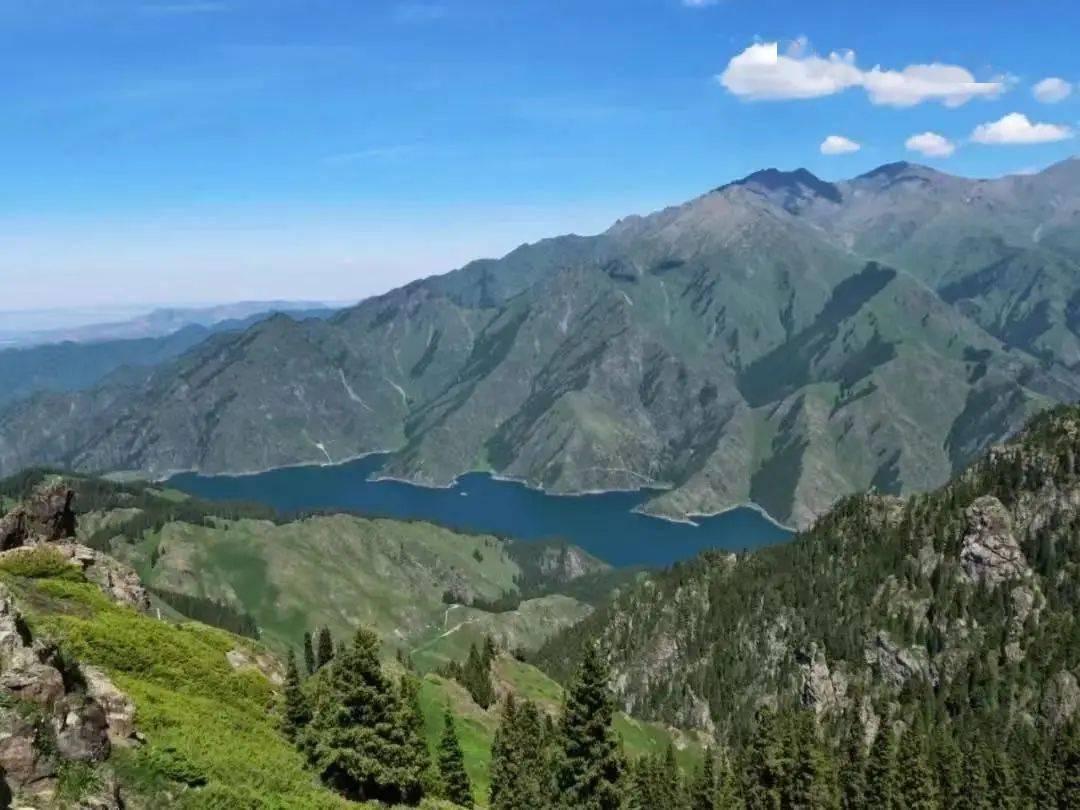
| Duku Highway | Toll ~¥60 | Open ~June 1–Sept 30 | Scenic north–south crossing, 3,400 m pass |
| Tashkurgan County | Lodging only | May–October | Pamir base camp, 3,100 m |
Why I Started Scheduling Permits as Days
My first big mistake happened in 2019. I built a beautiful ten-day loop for a German photographer, then realized on day six that the Border Travel Permit office in Kashgar closes at 18:00 and we would arrive at 19:30. We lost Tashkurgan entirely. After that I stopped treating permits as footnotes. The Xinjiang Visa and Permit Guide I published later became the backbone of every plan, and the Xinjiang Visa Guide Xinjiang travelers now rely on is the itinerary version that people actually follow on the ground.
What changed was simple. I moved the permit application to a fixed morning and built the rest of the week around it. Kashgar’s Public Security Bureau office opens at 10:30 and issues the slip in about twenty minutes if your passport and a passport photo are ready. Build that into a real morning, and the Pamir becomes reachable instead of a gamble.
How to Get There
Most foreign visitors fly into Urumqi Diwopu Airport first, then take a domestic hop to Kashgar (KCA) for about ¥1,100 and two hours. Direct international flights to Urumqi run from Istanbul, Almaty, and a few Gulf cities, which can save one connection. From Kashgar the Pamir route heads southwest on the G314, a paved road that climbs past Opal and the Karakul Lake turnoff before reaching Tashkurgan near the Pakistani border.
If you would rather drive, the Xinjiang Self-Driving Guide covers the license and temporary plate rules. Foreigners cannot rent a car and drive solo on a tourist visa; you need a licensed Chinese driver or a registered tour vehicle. I book a 7-seat SUV with a local driver for roughly ¥1,200 a day including fuel, which removes the permit and navigation burden completely.
Best Time to Visit
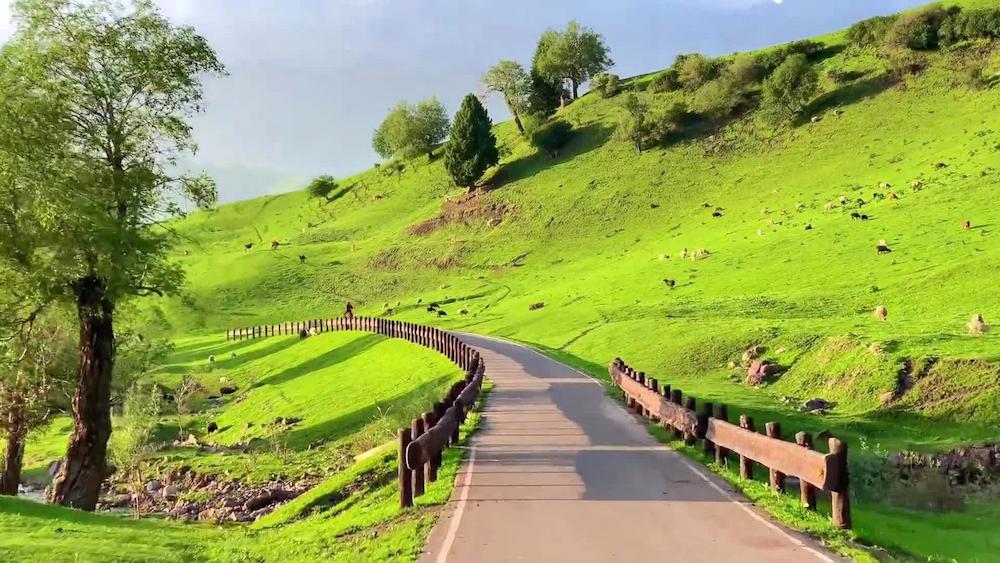
Spring (April–May) is quiet and the permits are easy to get, but the high passes can still close on snow. Summer (June–August) is the safe window: the Duku Highway opens, the Pamir grasslands turn green, and Tashkurgan sits at a pleasant 15°C by day. Autumn (September–October) has the clearest skies and the best light for the mountains, though the Duku usually shuts by early October.
Winter is the one season I warn people away from for this specific route. The Border Travel Permit is harder to process, some Pamir guesthouses close, and several passes ice over. My clear recommendation is to run this Xinjiang Visa Guide Itinerary between the first of June and the middle of October, which keeps the whole Xinjiang Itinerary inside one visa window. That band covers every document office, every open road, and the most reliable weather.
Where to Stay
Budget travelers do well at the Kashgar Old City hostels, where a clean double runs about ¥90 a night and the rooftop looks straight at the Id Kah Mosque. Mid-range picks include the Sage Hotel in Kashgar at roughly ¥420, walking distance to the night market and the permit office. On the Pamir, the Tashkurgan Pamir Hotel is the upper option at around ¥680, with heating that matters at 3,100 meters and a breakfast that actually opens before 7 a.m.
Book Kashgar for at least two nights. The extra night is not luxury; it is the buffer that lets you fix any visa-stamp or permit problem without losing the southbound leg. The Xinjiang Visa Guide Itinerary assumes those two Kashgar nights, and this Xinjiang Visa Guide guide treats that buffer as non-negotiable. I have watched that spare evening save three trips in two seasons.
Food
Kashgar’s night market is the cheapest education in Xinjiang cooking you will find. Lamb skewers (kawap) go for about ¥5 each, a round naan is ¥3, and a samsa baked in the tandoor costs ¥6. The signature meal is big plate chicken, dapanji, a ¥68 order that feeds two or three with the wide belt noodles underneath.
For a solo lunch, hand-pulled laghman with stir-fried tomato and egg is ¥18, and a bowl of itsh-lepesh flatbread with yogurt keeps you full through a permit wait. On the Pamir, prices climb: a basic noodle soup in Tashkurgan is ¥25, and a proper mutton pilaf is ¥45. Carry small cash; a few roadside stands outside Kashgar still do not take foreign cards.
Practical Tips
- Apply for the Chinese tourist (L) visa at least three weeks before your flight, and ask for 30 days so the Pamir and the Duku both fit inside one stay.
- Carry two passport photos. The Kashgar permit desk wants one taped to the form, and a spare saves a walk to the corner print shop.
- File the Border Travel Permit on a morning you are already in Kashgar. Do not plan to collect it in a hurry between a flight and a long drive.
- Keep your passport on you at every checkpoint. The G314 has several police stops where the permit and the visa are both checked by hand.
- Read the Xinjiang Border Travel Permit Guide before you fly so the office address and the required wording on the form are already familiar.
- Acclimatize one night in Kashgar (1,300 m) before sleeping in Tashkurgan (3,100 m). The jump is real, and a slow first day prevents a sick second one.
Sample Itinerary: The Xinjiang Visa Guide Itinerary Day by Day
Day 1 – Arrive Urumqi. Land, confirm your visa stamp, and spend the evening at the International Grand Bazaar. Sleep near the airport to catch an early hop.
Day 2 – Fly to Kashgar. Two-hour flight, check into the Old City, and walk the lanes before dinner. No permit yet; this is the buffer night.
Day 3 – Permit morning. At 10:30 the PSB office issues the Border Travel Permit free of charge. Spend the afternoon at the Id Kah Mosque and the livestock market.
Day 4 – Drive the G314. Kashgar to Karakul Lake, about 190 km, with the white sand lake and the Muztagh Ata view along the way. Sleep in Tashkurgan.
Day 5 – Pamir and back. Visit the Stone City and the Khunjerab pass road (permit required), then return to Kashgar by evening.
Day 6 – Rest and refuel. A slow Kashgar day lets the driver service the vehicle and lets you reprint anything the hotel scanner mangled.
Day 7 – North on the Duku. Fly or drive toward the Duku Highway (open June–September) for the Tienshan crossing. Sleep in Bayinbuluke.
Day 8 – Grassland loop. Bayinbuluke swan lake and the Nalati pastures, then a short drive to Xinyuan.
Day 9 – Return to Urumqi. Fly out of Yining or drive back; the loop closes where the visa began.
Day 10 – Departure. Buffer day inside the 30-day visa in case a delay ate an earlier one.
FAQ
Do I need a separate visa for Xinjiang?
No. Xinjiang is part of China, so the standard Chinese tourist (L) visa covers it. What you add is the free Border Travel Permit for the Tashkurgan area, not a second visa.
Can I get the Border Travel Permit in Urumqi?
You can apply at some PSB offices, but the reliable, fast one I use is in Kashgar, and it is open on weekdays. Build the morning into your plan rather than hoping for a different city.
Is the Duku Highway open when I visit?
Only roughly June 1 through September 30, and weather can close it for a day. If your trip falls outside that band, swap day seven for a train north via the Kashgar Travel Guide route instead of the high pass.
How much should I budget for documents?
The visa runs CAD 145–190 depending on nationality, the Border Travel Permit is free, and passport photos are under ¥20. The rest of the cost is transport and lodging, not paperwork.
Can I drive the loop myself?
Not on a tourist visa. You need a Chinese-licensed driver or a registered tour vehicle. That is why the self-driving guide and this itinerary treat the car as a booked service, not a rental.
What if my visa is only 15 days?
Then cut days seven through nine and keep the Kashgar–Pamir core. The Xinjiang Visa Guide Itinerary is built to shrink from ten days to five without losing the permit logic.
Disclaimer
Visa fees, permit rules, office hours, and road opening dates change. The prices and times above come from my own trips in 2019 through 2025 and were current when I wrote this, but Chinese entry policy and Xinjiang checkpoints shift without much notice. Always confirm the tourist (L) visa requirements with the nearest Chinese embassy or consulate and check the Border Travel Permit process at the Kashgar Public Security Bureau before you fly. This article is practical guidance from real trips, not legal or immigration advice.