

Published: 2026-07-28 | Author: Karl Huang
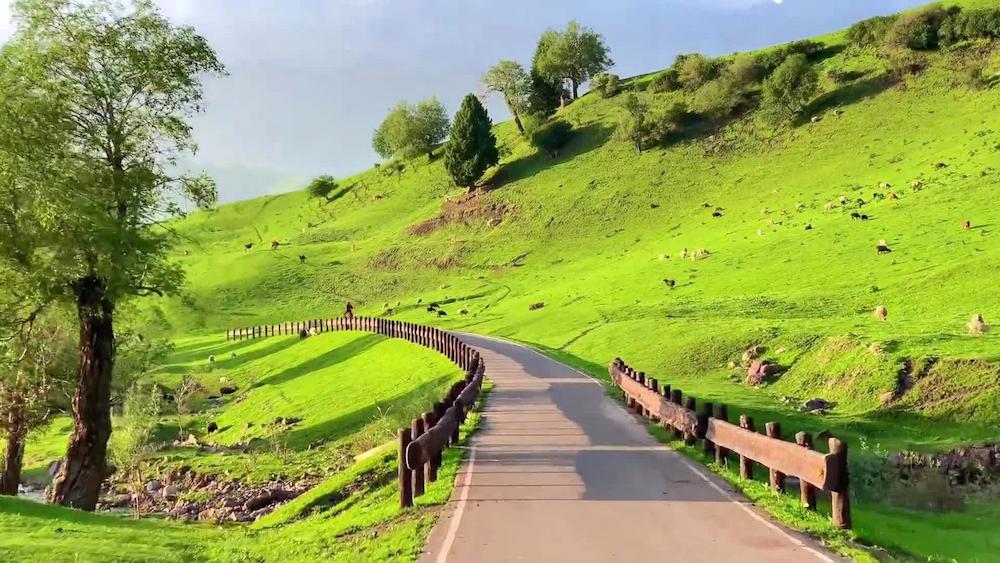
A good Xinjiang Safety Guide should start with a story, not a list. In June 2023 I was driving the Duku Highway in a rented Chevrolet with a full tank and a phone that had lost signal 40 kilometers back. The temperature dropped from 28°C to 9°C between noon and 4 p.m. A family in a broken-down van needed water and a jump start. That day taught me more about staying safe in this region than any government leaflet. I have now spent eight seasons on the road here, and the advice below comes from those trips: real prices, real roads, and real mistakes.
Quick Reference
| Item | Detail |
|---|---|
| Region covered | All of Xinjiang (north and south, plus the Pamir corridor) |
| Border permit fee | Free at county PSB; allow 1–2 working days |
| Safest travel window | Late May to early June, and September |
| Highest road pass | Bayinbuluke area, around 3,400 m |
| Emergency numbers | 110 police, 120 ambulance, 122 traffic |
| My role | Founder of Xinjiang Itinerary; field researcher and guide |
This Xinjiang Safety Guide focuses on the risks that actually derail trips, not the ones that make headlines. I have updated these notes every season since 2022, so the advice tracks the current checkpoint setup rather than travel writing from a decade ago. For a wider Xinjiang travel guide covering routes and daily costs, our category archive is the place to start. Safety is one layer of a much bigger journey.
What I Learned Building This Xinjiang Safety Guide
The first lesson was about distance. In 2022 I planned a “quick” hop from Kashgar to Tashkurgan, about 290 km on paper. The Karakoram Highway took me five hours because of two checkpoints and a herd of yak crossing near Bulunkou. I arrived at 8:40 p.m. with the light failing. Since then I treat every mountain leg as double the map time, and I never start a plateau drive after 3 p.m.
Any useful Xinjiang Safety Guide must capture the human layer that apps miss. Locals in the small teahouses of Yining and the night markets of Hotan were the ones who warned me about thin ice on Sayram Lake in April and about the midday heat that flattens tires in the Taklamakan. Their tips beat any navigation software. A Xinjiang Itinerary built only from screenshots will skip that layer entirely.
How to Get There
Most travelers fly into Urumqi Diwopu International Airport (URC), where a taxi to the center runs 50–70 yuan and takes about 40 minutes. From there you can connect by air to Kashgar (around 1,400 yuan one way in peak season), by high-speed rail to Turpan or Korla, or by a long-distance sleeper train to the south.
If you drive, the Duku Highway opens roughly mid-June and closes by early October depending on snow. Rentals from Urumqi start near 350 yuan per day for a compact, plus a refundable deposit of 3,000–5,000 yuan. Carry your home license and an official translation; police at rural checkpoints will ask for both.
Coming from Kyrgyzstan or Pakistan, the Irkeshtam and Khunjerab crossings need your border permit sorted before you reach the line. Our Xinjiang Border Travel Permit Guide walks through the exact documents and the county offices that issue them, with the real wait times I measured in 2024.
Best Time to Visit
Spring (April–May) brings melting snow and some closed passes. Roads around Bayinbuluke can still be icy in early May, and lake ferries on Sayram do not run until the ice breaks. Summer (June–August) is warm and fully open but crowded; the Duku Highway sees tour buses bumper to bumper on weekends, which itself creates a different kind of risk.
Autumn (September–October) is my pick. The light is clean, the mosquitoes are gone, and the Hemu and Kanas forests turn gold. Winter (November–March) is harsh, with many guesthouses shut and mountain roads salted or blocked. For the Xinjiang Visa and Permit Guide rules, note that some border offices run reduced hours in winter and may turn you away without notice.
Clear recommendation: travel in late May to early June or in September. Your best time to visit Xinjiang safety plan should weigh weather, road openings, and crowd levels together. No Xinjiang Safety Guide is complete without a season plan, because the same pass that is a joy in September can be a closed, frozen trap in March.
Where to Stay
Budget: hostels and courtyard guesthouses in the old towns of Kashgar or Burqin run 80–150 yuan per night. They are basic but friendly, and the owners often cook for guests. Mid-range: chain hotels like Ji Hotel or Atour in Urumqi, Kashgar, and Yining cost 280–450 yuan and include decent heating and Wi-Fi.
Upper: the luxury wing of a Silk Road–themed resort near Tianchi or a boutique stay in the Hemu wooden houses runs 900–1,800 yuan per night in peak season. Book these a month ahead for October, when the autumn color draws heavy domestic crowds and rooms sell out fast.
Food
Xinjiang food is hearty and cheap. A plate of laghman noodles in a Kashgar side street costs 18–25 yuan. Samsa (baked meat pastries) sell for 5–8 yuan each near any mosque at sundown. A full mutton handu (whole leg) for a group runs 120–180 yuan and feeds four easily.
For something lighter, try dapanji (big-plate chicken) at 45–65 yuan for two, with wide belt noodles underneath. Night markets in Urumqi and Hotan also serve grilled lamb skewers at 3–5 yuan a stick. Eat where the locals queue and the turnover is high, and you will be fine on hygiene even at a roadside stall.
Practical Tips
The core of this Xinjiang Safety Guide is the prep list below. None of it is exotic, but each point has saved me on a real trip.
- Carry both digital and paper copies of your passport, visa, and border permit. Rural checkpoints do not always read phone screens in bright sun.
- Download offline maps before you leave the city. Signal vanishes for long stretches on the Duku and the southern Pamir road, and translation apps go silent with it.
- Fill the fuel tank whenever you pass a station in the south. Some stretches between Ruoqiang and Minfeng have no petrol for 200 km or more.
- Acclimatize above 3,000 m. Spend a night in Tashkurgan before pushing to the Khunjerab Pass, and keep headache medicine with you.
- Dress in layers. The gap between noon and midnight can be 20°C on the plateau, and bus air conditioning is often set high.
- Keep small bills. Many village stalls and rural tolls do not take cards or foreign phone pay, and change runs short at remote stops.
Sample Itinerary
A safe 7-day loop I have run twice:
Day 1: Fly to Urumqi, rest, buy a local SIM and snacks. Day 2: Train to Turpan, visit the Karez system and Jiaohe ruins (entry 70 yuan combined). Day 3: Drive the northern Duku segment to Bayinbuluke, arrive before dark. Day 4: Grassland sunrise, then on to Korla. Day 5: Fly or drive south to Kashgar; walk the old city at dusk. Day 6: Day trip toward Tashkurgan with a valid border permit. Day 7: Return to Kashgar and fly out.
Run this loop with the Xinjiang Safety Guide checklist in mind, and build in a spare half-day for delays. If you want to self-drive the whole way, our Xinjiang Self-Driving Guide covers fuel planning, checkpoint etiquette, and the rental rules that caught me out on my first trip.
FAQ
Readers of this Xinjiang Safety Guide ask the same questions, so here are straight answers from the road.
Is Xinjiang safe for foreign tourists?
Yes. The region is heavily policed and crime against visitors is rare. The bigger risks are distance, weather, and altitude, not personal security. Stay alert at passes and markets, and you will be fine.
Do I need a special permit?
You need a border travel permit only for areas like Tashkurgan and the Karakoram Highway. Apply free at the county Public Security Bureau and bring your passport. Allow a day in case the office is busy.
Can I use my phone and card?
WeChat Pay and Alipay work with a Chinese bank card. Foreign cards are hit or miss, so carry cash. A local SIM from China Mobile costs about 50–100 yuan with data and is easy to register with your passport.
What about altitude sickness?
Most of Xinjiang sits below 2,000 m, but the Pamir and Bayinbuluke areas go higher. Ascend slowly, drink water, and rest if you feel dizzy. The clinic in Tashkurgan handles mild cases.
Is the tap water safe to drink?
Stick to bottled or boiled water outside major hotels. Small-town taps are not always treated to tourist standards, and a stomach bug can wreck a week of driving.
Should I join a tour or travel solo?
Solo travel is legal and common, but a guide helps at checkpoints and with language. Both styles work; the difference is how much administrative friction you want to handle yourself.
Disclaimer
Prices, permit rules, road openings, and border hours change. This Xinjiang Safety Guide reflects my own trips through 2023–2025 and is shared as planning guidance, not as a guarantee. Always confirm current details with official sources such as the local Public Security Bureau, your embassy, and the operating company before you travel. This article does not replace official travel advice.