

Published: 2026-07-27 | Author: Karl Huang
My first Xinjiang Photography Itinerary was a mess. In 2017 I flew into Urumqi at 2:10 in the morning, paid 80 yuan for a taxi to a hostel near the International Bazaar, and then tried to shoot the Flaming Mountains at noon because I had not checked the light. The files were flat and my memory card nearly overheated. Eleven trips later I plan the route around the sun, not the other way around, and I still carry the same battered Manfrotto tripod I bought for 420 yuan in Beijing.
Quick Reference
| Field | Detail |
|---|---|
| Location | North Xinjiang loop: Urumqi, Tianchi, Kanas, Hemu, Baihaba, Colorful Beach, Burqin |
| Typical fee | Kanas joint ticket 230 yuan; Hemu 60 yuan; Baihaba border permit 50 yuan; Tianchi 215 yuan |
| Best time | September 25 to October 8 for autumn color; mid June for green grasslands |
| Role of trip | Landscape, culture, and astro photography over 14 days |
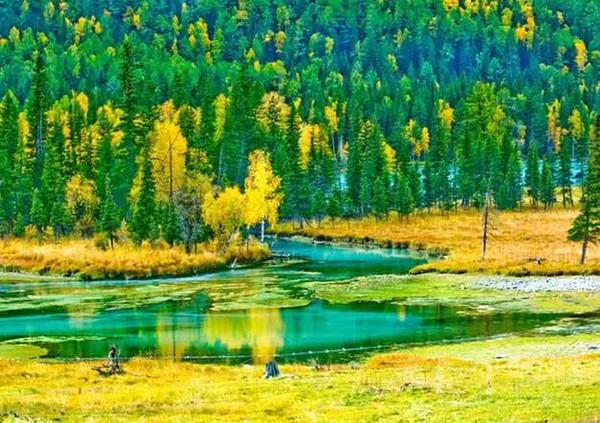
The plan I use now, a tight Xinjiang Photography Itinerary, grew out of those early mistakes. The table above is the skeleton. The flesh is what happens once you stand in these places with a camera in hand. In October 2019 I reached the Hemu viewing platform at 6:40 am, fighting a wind that cut through the down jacket I had rented in Burqin, and watched the wooden houses smoke against a band of gold on the ridge. A Kazakh herder named Talgat waved me toward a quieter spur where the tour buses never go. We drank salted milk tea he pulled from a thermos and he let me photograph his eagles for nothing. Those are the moments no brochure lists, and they are why I keep coming back.
North Xinjiang rewards patience more than equipment. The light at Kanas turns the lake from slate to emerald in about twenty minutes after sunrise, and if you are late the cruise boats churn the surface into glare. I learned to sleep at 9 pm and wake at 5 am during the autumn window. It is punishing, but the raw files are worth it. On a 2022 trip I shot the same bend of the river six mornings in a row before the mist finally sat where I wanted it.
How to Get There
A workable Xinjiang Photography Itinerary starts at Urumqi Diwopu International Airport. A direct China Southern flight from Beijing costs around 1,900 yuan in shoulder season and takes roughly four hours. From Shanghai the fare runs 2,300 to 2,800 yuan depending on the month. Once on the ground you have two realistic options.
The first is to self drive. I rented a Toyota Land Cruiser from a Urumqi agency for 600 yuan a day plus fuel, and the Duku Highway alone justified the cost. The second is to book a private car with a driver, which I did in 2021 for 1,200 yuan a day including his meals. That let me shoot from the moving car without white knuckles on the mountain passes. Trains reach Urumqi and Kashgar, but for a photo loop you still need wheels once you leave the city.
Best Time to Visit
The best time to visit Xinjiang photography itinerary routes is late September, and the reason is simple. If you are building a wider Xinjiang travel guide plan, the best time to visit xinjiang photography itinerary stays late September, though our general regional advice differs. Spring, from April to May, brings melting snow and muddy tracks. The grasslands of Nalati and Bayinbuluke stay brown and many mountain roads remain closed until June, so I would skip it for serious landscape work.
Summer, June through August, is lush and green but crowded. The Tianchi boardwalk fills with tour groups by 10 am. If you go, shoot at the edges of the day. The long daylight, with sunset after 9 pm, is a real advantage for astro work on the Pamir side.
Autumn, late September to early October, is the window most shooters chase. The birch around Kanas and Hemu turn amber and the tourist volume drops after the National Day holiday ends on October 8. This is when I run my own Xinjiang Photography Itinerary, and it is the reason this guide exists.
Winter, November to March, is brutal and beautiful. The temperature in Hemu hit minus 32 the year I tried it, and my camera battery died in forty minutes. The reward is empty frames and ice fog, but plan for gear failure and shorter days.
My clear recommendation: target September 28 to October 7. You catch peak color, beat the worst of the holiday crowds by a day or two, and still have open roads on the Duku Highway.
Where to Stay
Where you sleep shapes the Xinjiang Photography Itinerary more than people expect, because the sunrise platforms are the prize. Budget travelers in Burqin town find a clean guesthouse for 120 to 180 yuan a night. I stayed at a family run place near the river in 2019 for 150 yuan and the host lent me a kettle for my instant coffee.
Mid range options inside Hemu village are wooden cabin lodges at 380 to 550 yuan. Book through your driver or a Chinese platform a month ahead in autumn, because the roughly 280 rooms fill fast. The cabins sit within walking distance of the sunrise platform, which saves you the 7 am shuttle scramble that eats your best light.
At the upper end, the Kanas resort hotel at the lake edge charges 900 to 1,400 yuan and includes the morning boat slot before day trippers arrive. I treated myself once in 2022 and the quiet water at 7 am was the best 1,000 yuan I have spent on a trip. Worth it if autumn color is your one goal for the year.
Food
Food stops on a Xinjiang Photography Itinerary are short but needed, because you burn energy in the cold. At a Urumqi noodle house I paid 18 yuan for a bowl of laghman with lamb. In Hemu a plate of manty dumplings cost 35 yuan and fed two people.
Try the grilled mutton skewers, called kawap, at 3 to 5 yuan a stick near any night market. The naan flatbread from a roadside oven runs 4 yuan and keeps for two days in your bag. In Burqin the cold water fish from the river costs about 88 yuan for a whole grilled portion and tastes clean. Wash it down with kumys, fermented mare’s milk, at 15 yuan a cup if you like sour things. None of it will slow you down, and the warm tea at altitude is a small mercy.
Practical Tips
- Bring three batteries per camera body. Cold drains them fast, and I keep two in an inside pocket against my chest to stretch their life.
- Carry a polarizing filter. It cuts the glare on Kanas and deepens the sky over the grasslands, which is half the battle at midday.
- Shoot raw only. The dynamic range at sunrise is too wide for jpg, and you will want the recovery headroom later.
- Get the border permit for Baihaba before you enter Kanas. The office in Burqin issues it for 50 yuan with your passport, and the village is worth the extra step.
- Pack a lightweight drone if your route allows, but check no fly zones around military areas. I lost a morning to a forced landing near a restricted zone in 2023.
- Start the day at 5 am in autumn. The good light is gone by 8:30 and does not return until the late golden hour after 7 pm.
Sample Itinerary: Your Xinjiang Photography Itinerary Day by Day
This 14 day plan is the one I ran in 2022 and trimmed after two more trips. It balances driving with rest so you are awake for the light that matters.
Day 1: Fly to Urumqi, rest, shoot the International Bazaar at dusk. Day 2: Drive to Tianchi, morning reflection shots, return to Urumqi. Day 3: Fly or drive to Burqin, evening at Colorful Beach for the red glow on the cliffs. Day 4: Burqin to Kanas, afternoon at the lake edge. Day 5: Sunrise at the Kanas viewpoint, then transfer to Hemu village. Day 6: Hemu sunrise platform, afternoon with a local herder and his eagles. Day 7: Hemu to Baihaba for the border village, wooden church, and quiet fields. Day 8: Return to Kanas, rest and edit cards. Day 9: Drive the Duku Highway, stop at the hairpin switchbacks. Day 10: Reach Nalati grassland for wide green frames and sheep lines. Day 11: Bayinbuluke swan lake at sunset. Day 12: Drive toward Korla, night sky if the forecast is clear. Day 13: Back to Urumqi, city details and street life. Day 14: Fly out with a full card and aching legs.
FAQ
Do I need a guide for this route? Not strictly, but a driver helps on the Duku Highway and at permit offices. I used a driver for the southern swing and self drove the north, and both worked.
What is the best lens for Xinjiang? A 24 to 70mm covers most scenes, and a 70 to 200mm helps compress the mountain layers at Kanas. I also carry a 16mm for the cabins and the stars.
Is autumn too crowded? The National Day week from October 1 to 7 is packed. Arrive by September 28 or stay past the 8th and you will have room to set up a tripod.
Can I use a drone everywhere? No. Military and border zones forbid flight, and Baihaba sits near the line. Check the map app daily and land if you see a sign or a uniform.
How much should I budget? Count on 4,000 to 6,000 yuan per person for two weeks, not including the flight in, if you share a car and stay mid range. The camera gear is your own call.
Disclaimer
Prices, permits, and opening dates change. The fees and hotel rates above reflect what I paid on specific trips and may be different now. Border permit rules for Baihaba and road status on the Duku Highway shift with the season and with local policy. Always confirm with official sources, your hotel, or the park office before you travel, and check the latest embassy advice for your nationality. This article shares personal experience and is not a substitute for current official information.