

Published: 2026-07-24 | Author: Karl Huang
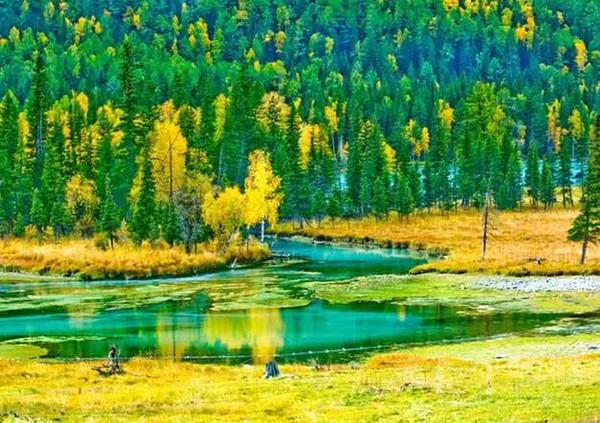
My first real Xinjiang Photography Guide Tips came the hard way. In October 2021 I drove up to Kanas Lake with a rented Canon 6D and one 24-105mm lens, arrived at 8:10 AM, and found the morning mist had already burned off. The good light at Kanas in autumn shows up around 6:40 AM and is gone by 7:30. I missed it by forty minutes and spent the rest of the day waiting for a second chance that never came. Eight seasons later I have a system that works, and these are the field notes I wish someone had handed me before that first trip.
Quick Reference
| Item | Detail |
|---|---|
| Primary regions | Kanas (north), Sayram Lake and Ili (west), Pamir Plateau (south) |
| Best shooting window | Golden hour 6:30-7:40 AM; blue hour 8:50-9:40 PM in summer |
| Permit needed | Border Travel Permit for Tashkurgan (about 30 RMB processing) |
| Drone rules | Registration required; no-fly over military zones and most borders |
| My base kit | Sony A7IV, 16-35mm f/2.8, 70-200mm f/4, ND filter |
Xinjiang Photography Guide Tips From Eight Seasons on the Road
The Xinjiang Photography Guide Xinjiang travelers keep asking me about is less about gear and more about timing. I learned this on the Duku Highway in June 2024. The road had just opened for the season; it closes from late October to early June under snow. I drove the 561 km stretch from Dushanzi to Tekes over two days. On the northern half, backlit poplar rows near the canyon looked flat at noon but turned gold at 7:15 PM. On the southern half, the grassland above Bayinbuluke caught side light that made the swan lake glow.
One habit changed everything. I now scout a location the evening before and sleep within 20 minutes of the shot. In Hemu Village I stay at a timber guesthouse run by a Kazakh family, about 380 RMB a night in October, and walk to the wooden platform above the river by 6:20 AM. The smoke from village chimneys at dawn, with snow on the peaks behind, is the single frame people recognize from Xinjiang. You cannot get it by arriving at 9 AM on a tour bus.
For the Pamir Plateau, I crossed from Kashgar to Tashkurgan in September 2023. Karakul Lake sits at 3,600 meters with Muztagh Ata behind it. The light there is clean and hard; I shot at 7:00 AM with a polarizer to cut glare on the water. The Border Travel Permit took me about 40 minutes at the Kashgar Public Security bureau and cost 30 RMB in processing fees. Without it you will not pass the checkpoint at Opal, 140 km out of Kashgar. The Xinjiang Visa and Permit Guide explains which documents to bring.
How to Get There
Most photography trips start in Urumqi. From Beijing, direct flights run about 4 hours and cost 1,800-2,600 RMB depending on season. From Shanghai, figure 5.5 hours and 2,000-3,000 RMB. From Chengdu, a 3.5-hour flight often lands under 1,500 RMB in the shoulder season.
Once in Urumqi, you have two realistic options. Self-driving gives you the freedom to chase light, and the Xinjiang Self-Driving Guide covers the Duku Highway, the Ili loop, and the Pamir route in detail. Trains and flights connect the big hubs if you would rather let a driver handle the long stretches. For the Pamirs specifically, you must sort the border permit before leaving Kashgar.
Best Time to Visit
Spring, from April to May, is uneven. Southern Xinjiang heats up fast and the desert is clear, but the north can still be grey and muddy. I skip spring for serious landscape work.
Summer, June to August, opens the high roads. The Duku Highway and the Pamir route are both open. Days are long, with sunset near 9:30 PM in July, which gives you a huge evening window. The trade-off is crowds at Kanas and heat in Turpan.
Autumn, September to early October, is the clear winner for me. The poplar forests along the Tarim and in the Ili valleys turn yellow, the grasslands are still green-gold, and the air is dry and sharp. Kanas in late September is the most photogenic week of the year. A lodging note from my Xinjiang Photography Guide Tips: book Kanas and Hemu beds by early September, because October fills fast.
Winter, November to March, is for specialists. Hemu and Kanas under snow are quiet and white, but many roads and guesthouses close. Only go if you have a local contact and a 4WD.
My recommendation: plan the north for the last two weeks of September, then drive south into the Pamirs during the first half of October. That sequence catches both the golden forests and the clean plateau light. These Xinjiang Photography Guide Tips assume you shoot raw and back up the cards every night.
Where to Stay
Budget: In Kanas and Hemu, timber guesthouses run 300-450 RMB a night in autumn. In Kashgar, the old city hostels start around 120 RMB for a bunk and 260 RMB for a private room. Reserve early; October sells out.
Mid-range: A standard hotel in Yining or Kashgar with decent windows and reliable heating costs 400-700 RMB. I use these as base camps for day trips to Sayram Lake and the Karakoram Highway.
Upper: The lakeside lodges inside the Kanas reserve charge 1,200-2,000 RMB in peak season, but you are inside the park before the day-trippers arrive at 9 AM. For a serious shoot, that head start is worth the price.
Food
Xinjiang food is a photographer’s friend because the markets are colorful and the light at the bazaars is good. In Kashgar’s old city, a plate of polo, rice with carrot and lamb, costs 25-35 RMB. Samsa from the tandoor runs 8-12 RMB each. In Urumqi, a big laghman noodle bowl is 28-40 RMB, and the International Grand Bazaar stays open until 8 PM, which leaves time for blue-hour shots after dinner.
For early starts, pack the night before. A 6 AM departure means no hot breakfast, so I carry flatbread, boiled eggs, and a thermos. The guesthouse in Hemu sold me fresh nan and hot milk tea for 15 RMB, which I ate on the platform while waiting for first light. A bazaar note from my Xinjiang Photography Guide Tips: reach the market by 6:30 PM so you catch both the stalls and the fading light.
Practical Tips
- Arrive before the light. For sunrise shots, be in position 30-40 minutes early; the best ten minutes pass quickly.
- Carry an ND filter and a polarizer. The plateau glare is strong, and the polarizer saves water and sky shots.
- Keep spare batteries in an inside pocket. At 3,000-plus meters and in winter, cold drains them in half the normal time.
- Register your drone and check no-fly zones. Border areas and military zones are strict, and fines are real.
- Build buffer days into the plan. Wind, dust, and closed passes cost me three shoot days on one trip; the Xinjiang Photography Guide pillar post maps the seasonal road closures so you can route around them.
- Shoot in raw and back up nightly. I lost a card once in the Taklamakan dust; a second copy on a small SSD saved the trip.
Sample Itinerary
This 12-day loop favors light over mileage. Adjust for permit timing.
Day 1: Fly into Urumqi, rest, buy permits and supplies.
Day 2: Drive to Karamay, scout the Ghost City at 7 PM side light.
Day 3: Duku Highway northbound; stop at the canyon for evening gold.
Day 4: Kanas Lake, sunrise at 6:40 AM from the lookout.
Day 5: Hemu Village, dawn platform, afternoon forest walk.
Day 6: Drive south toward Tianchi, rest.
Day 7: Fly or drive to Yining; scout Sayram Lake west shore.
Day 8: Sayram Lake blue hour and morning, then lavender fields if in season.
Day 9: Drive to Kashgar via the highway; old city evening light.
Day 10: Kashgar Sunday bazaar, the livestock market, at first light.
Day 11: Karakul Lake and Muztagh Ata, 7 AM reflection shot.
Day 12: Return to Kashgar, back up cards, fly out.
The full day-by-day driving plan with distances is in the Xinjiang Photography Guide Itinerary. This plan works as its own Xinjiang Itinerary or pairs with the full driving route. This Xinjiang Photography Guide guide sits beside the main pillar post so you can move from planning to shooting without gaps.
FAQ
Do I need a special permit to photograph the Pamirs?
Yes. The Border Travel Permit for Tashkurgan is required past the Opal checkpoint. Get it in Kashgar with your passport; processing is quick and the fee is small.
What is the single best month for landscape photography?
Late September. The north has golden forests and clear skies, and the crowds of the National Day holiday, early October, have not arrived yet.
Can I fly a drone in Xinjiang?
You can in most open areas after registering, but borders, military zones, and many passes are no-fly. Check locally before launch, and never near checkpoints.
Is a guide necessary?
Not for the popular spots, but for the Pamirs and remote valleys a local driver saves time and helps with permits. The self-driving guide above covers the independent route.
How cold does it get at the lakes?
Kanas and Hemu drop near freezing at night even in September. Bring a warm layer for those 6 AM platforms; your hands will thank you.
Disclaimer
Prices, permit rules, road openings, and drone regulations change. The figures above reflect what I paid in 2021-2024 and may differ now. Border permit offices, flight costs, and park fees shift with the season and with policy. Always confirm current details with official sources, your hotel, or the local tourism bureau before you travel. This article shares personal experience and is not a guarantee of conditions on your trip.