

Published: 2026-07-30 | Author: Karl Huang
People email the Xinjiang Itinerary desk almost every week with the same worry: “I’m flying to Urumqi next month, what camera gear should I actually bring?” It is a fair question. Xinjiang spans desert basins below sea level and passes above 4,000 meters, and the light changes mood by the hour. Pack wrong and you miss the shot. Pack too much and you hate carrying it by day three.
This Xinjiang Photography Equipment Guide comes from eight field seasons, not a spec sheet. I have frozen my fingers at Karakul Lake at 5:50 am, paid ¥420 for a travel tripod in Urumqi’s Hongshan market, and watched a ¥1,600 telephoto fog up the moment I stepped from a heated car into -12°C air. Below is the kit I trust, what I leave behind, and how the seasons change the list.
Quick Reference
| Equipment | Typical Cost (USD) | Best Time to Use | Role |
|---|---|---|---|
| Mirrorless body + 24-70mm | $1,400-$2,200 | Year-round | Primary walk-around kit |
| 100-400mm telephoto | $1,300-$1,900 | Autumn, wildlife mornings | Compress distance at Kanas, swans |
| Lightweight travel tripod | $90-$180 | Night, long exposures | Stability for stars and water |
| CPL + ND filters | $40-$120 | Summer, midday | Cut glare on lakes and snow |
| Spare batteries (x3) | $50-$90 | Winter, cold plateaus | Cold cuts battery life fast |
What I Learned Carrying Gear Across Xinjiang
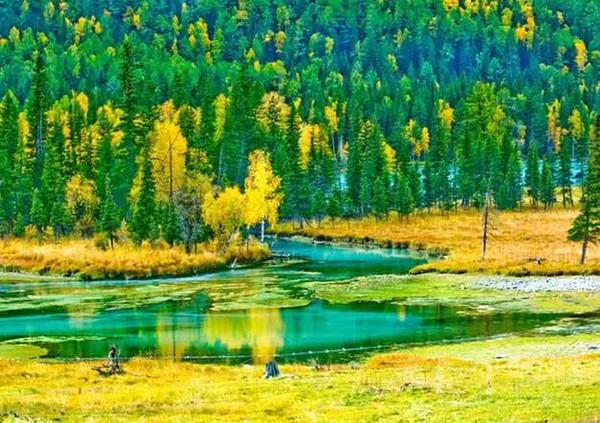
My first real lesson happened in Hemu Village in October 2022. I brought one body and a single 24-105mm lens because I wanted to travel light. At 7:10 am the birch forest lit up gold and a herd of horses crossed the mist below the wooden houses. The scene needed reach I did not have. The shot that should have been the cover of my trip ended up as a soft, unusable memory. Since then I always carry a telephoto, even if it adds two kilos.
The second lesson was about cold. On the Pamir Plateau near Tashkurgan the temperature dropped to -9°C before sunrise. My main battery died at 38% the instant I started shooting. I had not brought spares in an inside pocket. That morning cost me the blue-hour frame of Muztagh Ata. I now treat spare batteries as non-negotiable and keep two against my body heat at all times.
I cover the framing and composition side in our Xinjiang Photography Guide, but gear is the part where trips quietly succeed or fail. The rest of this page stays practical: what to buy, what to skip, and how the load changes by season.
How to Get There (and Get Your Gear There)
Most travelers fly into Urumqi Diwopu International Airport. Domestic flights within Xinjiang, such as Urumqi to Kashgar or Urumqi to Altay, are the easiest way to move between regions without hauling gear on 14-hour trains. Carry your camera bodies and lenses in a padded backpack as cabin luggage. Checked holds freeze in winter and get thrown around year-round. I have never lost a lens, but I have watched a checked hard case arrive cracked.
For drones, register before you fly. Xinjiang has restricted airspace near borders and military zones, and the rules shift. Pack the drone in your cabin bag with the batteries in approved fireproof pouches. At security in smaller airports like Yining or Kashi, expect a manual battery check. Budget an extra 25 minutes at each hub.
Road trips on the Duku Highway let you reach spots a tour bus skips. If you self-drive, a soft cooler in the trunk keeps spare batteries from cooking during summer stretches where the dash hits 50°C in the sun. Small habit, big payoff.
Best Time to Visit
Spring (April to May). The south warms first. Apricot blossoms around Toksun and Yili’s grasslands turn green by late May. Light is soft and crowds are thin. Pack a midrange zoom and a polarizer for the wet, reflective fields. Bring a light rain cover; spring dust storms roll through Turpan without warning.
Summer (June to August). Long daylight, sometimes past 10 pm in the north. Great for hiking shots and wildflowers on the grasslands. The downside is harsh noon light, so an ND filter earns its place. Afternoon thunderstorms build over the mountains, giving dramatic cloud layers if you wait out the rain.
Autumn (September to October). This is the headline season. Kanas and Hemu turn amber, the poplar forests of Luntai glow yellow, and the air is crisp and clear. Our Xinjiang Photography Spots Guide lists the exact bend of the Kanas river where the light lands at 8 am. Bring the telephoto and a sturdy tripod; mornings start near freezing even when afternoons feel mild.
Winter (November to March). Snow covers the north and the Pamirs go silent. Skiers and ice photographers get clean, empty frames. Cold is the enemy: batteries, fingers, and lens fogging. Pack hand warmers, a weather-sealed body if you own one, and silica gel in your bag.
My recommendation. If you can pick one window, late September to mid-October wins. You get color, clear skies, and manageable cold. Shoulder seasons (late May, early June) are the budget pick with fewer people in frame.
Where to Stay
Budget. Hostels and guesthouses in Kashgar’s old city run ¥80-150 a night. They are basic but central, and rooftops there give clean shots of the Id Kah Mosque at call to prayer. Bring a small tripod that fits in a daypack; space is tight.
Mid-range. Wooden lodges in Hemu and Kanas cost ¥400-700 in autumn. The premium is worth it because you can step outside at 6:30 am and shoot before the day-trippers arrive by bus around 11 am. Book two months ahead for October.
Upper. Urumqi business hotels near the bazaar run ¥900-1,400 and offer heated rooms, reliable power, and a place to dry gear. After a week on the road, a proper desk to lay out and clean lenses is its own kind of luxury.
Food
You will eat well, and food makes good documentary frames. In Kashgar, a plate of lamb kebabs (羊肉串) costs ¥5-8 each at the night market, and a bowl of laghman noodles runs ¥18-25. Urumqi’s International Grand Bazaar has naan fresh from clay ovens at ¥3-6 a piece; buy it warm and shoot it against the tiled arcade walls.
In the north, try the milk tea (奶茶) at guesthouse breakfasts, about ¥10, and the cold noodle salad (拌面) at ¥20-28. Higher altitude towns like Tashkurgan serve hearty beef soup that helps with the thin air. Prices climb 20-30% inside scenic areas, so stock snacks and water at a city supermarket before heading out.
Practical Tips
- Carry at least three spare batteries in winter and keep two in an inside pocket against your body.
- Use a polarizer on lakes and snow; the glare will wash out your sky without it.
- Pack a microfiber cloth and a blower brush. Dust at the Taklamakan and salt at Sayram Lake get everywhere.
- Shoot raw, not JPEG. The dynamic range at sunrise over the grasslands needs the headroom.
- Protect against lens fog by sealing gear in a zip bag before moving from cold to warm rooms, then letting it warm slowly.
- Bring a power bank that handles cold; many hotels have limited outlets near the bed.
- If you want the Milky Way over the desert, our Xinjiang Stargazing Itinerary maps the dark-sky windows and the new-moon dates that matter.
Sample Itinerary
Day 1, Urumqi. Arrive, buy a tripod and spare cards at Hongshan market, shoot the bazaar at golden hour (about 7:40 pm in summer).
Day 2-4, Kanas and Hemu. Fly to Altay, transfer to the park. Sunrise at the Hemu viewing platform by 6:30 am, river bends mid-morning, mist returns at dusk.
Day 5-6, Sayram Lake. Drive the northern loop. Use the ND filter for long-exposure water at the west shore; swans gather near the outlet before noon.
Day 7-9, Kashgar and the Pamirs. Old city frames at first light, then the Karakul Lake drive for Muztagh Ata reflections. Pack warm layers; pre-dawn temps bite.
Day 10, return. Backup cards to two drives before the flight. I have lost one card to a failed reader; never travel with a single copy.
FAQ
Do I need a full-frame camera for Xinjiang? No. A good crop-sensor or micro four-thirds body handles the landscapes fine. Full-frame helps in low light on the plateau, but weight and cost matter more for most travelers.
Is a drone worth bringing? For many, yes. The desert roads and mountain passes look unreal from above. Just confirm airspace rules near borders and carry battery pouches. Some scenic zones ban takeoff entirely.
How many memory cards should I pack? At least three 64GB cards or one large 256GB plus a backup. Shooting raw in autumn fills space fast, and card readers fail at the worst moments.
What about charging on long road trips? A 20,000mAh power bank covers a day of phones and one camera. For multi-day drives without hotels, a 12V car inverter keeps batteries topped between stops.
Can I rent gear in Urumqi? Rental shops exist but selection is limited and insurance is thin. Bring your own trusted kit if photography is the point of the trip. Browse the broader Xinjiang travel guide archive for packing and timing help.
How do I keep lenses from fogging? Seal them in a zip-lock bag while still in the cold, then let them warm to room temperature before opening. A small pack of silica gel in your bag absorbs the moisture that causes the haze.
Disclaimer
Prices, permits, drone regulations, and battery rules change often and vary by region and season. The figures above reflect what I paid in recent seasons and are examples, not guarantees. Always verify current costs, border restrictions, and airspace status with official sources such as the Civil Aviation Administration and local tourism bureaus before you travel. Photograph respectfully, especially at religious and military sites.