

If you ask me for the single best window to see this region, I’ll say Xinjiang in September. After eight seasons of driving these roads, September is the month I send friends and family. The summer heat has broken, the forests in the north turn gold, the air is clear and almost dust-free, and the crowds thin out once Chinese schools go back in early September. You still get open roads, harvest-season food in the south, and mountain light that photographers dream about. This guide walks through what September actually feels like on the ground and how to plan around its one big trap.
Why September Is the Sweet Spot
Xinjiang’s seasons are extreme, and September sits right in the comfortable middle. July and August are crowded and, in the basins, dangerously hot. By late October the roads and guesthouses start closing. September is the calm between: warm days, cool nights, and landscape colour you can’t get any other month.
The three things that make September special are the autumn colour, the air quality, and the crowd drop. Let me take them in turn.
The Golden Forests of Kanas and Hemu
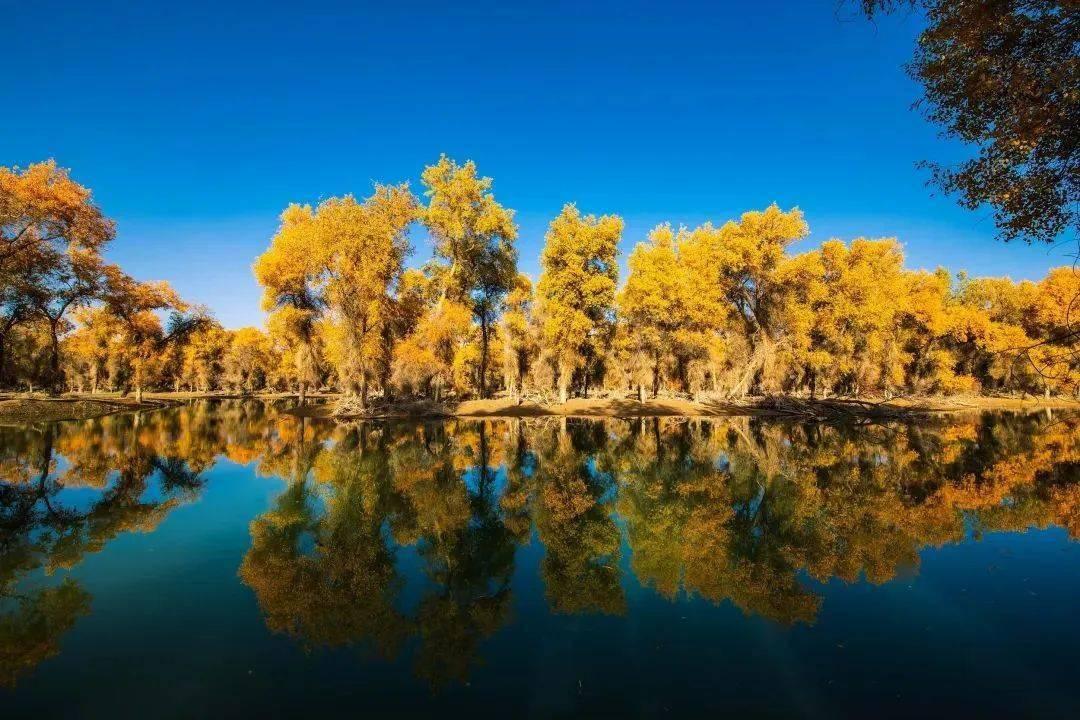
The headline is the north. The Kanas Lake area and the adjacent village of Hemu turn gold roughly between September 10 and 30, as the birch and larch forests shift from green to yellow and amber. The exact peak moves with the year’s first cold snaps, but the third week of September is the safest bet for full colour.
Hemu at dawn, with wood cabins under a ridge of gold, is the image most people come for — and in September you can actually photograph it without a wall of tour groups. The morning mist and low sun are forgiving. I tell everyone to be out by 7am; the light is best and the day-trippers haven’t arrived from the car parks.
Crisp Air and Low Dust
One underrated perk: September air is clear. In summer the Tarim and Junggar basins kick up wind-blown dust that softens distant views. In September the wind drops, the harvest is in, and sightlines along the Tianshan and Pamir corridors open up. If you care about landscape photography, this clarity alone justifies the trip.
Temperatures are comfortable: daytime highs around 15-25°C in the north and mountains, warmer in the south, with nights cooling to single digits in Kanas and on the plateau. You’ll want a fleece or light down for evenings, but you won’t be fighting heat exhaustion.
The Duku Highway Is Still Open
September is one of the last full months you can drive the Duku Highway road trip before it closes in mid-October. That matters because the Duku is the one road that links the north and south Tianshan in a single day — snow peaks, canyon walls, and grassland in one pass. Doing it in September means cool weather and colour on the high sections, without the July-August traffic.
If your route crosses the mountains, September is the month to do it. By late October that option is gone until the following June.
The Pamir Plateau in September
The south behaves well in September too. The Karakoram Highway corridor toward Tashkurgan is clear and cool, and the Pamir light is at its best. Daytime is comfortable; nights are cold even now, so pack as if for autumn mountains. This is a strong month for the Kashgar-to-Pamir drive, with the added bonus that the south’s grape harvest is underway (more below).
Grape Harvest in the South
Down in Turpan and the southern vineyards, September is harvest. The grape trellises are heavy, the markets are full, and you can taste fresh varieties you’ll never see exported. It’s a good cultural reason to pair the north’s forests with a southern loop — something I often build into a Xinjiang travel guide route for September trips.
The One Trap: National Day Spillover
Here’s the catch I warn everyone about. China’s National Day holiday starts October 1 and is the country’s biggest travel week. The crowds don’t wait for October — they spill backward into the final days of September, especially around the golden-week lead-in. The popular stops (Kanas, Hemu, Sayram Lake) can fill and price up in that last week.
My advice: aim for the first to third week of September for the calmest conditions, and if you must travel late September, book transport and stays weeks ahead. The first half of the month is genuinely quiet; the last week is not.
Practical Tips for a September Trip
- Book early, but not for the wrong week. Mid-September rooms are easy; late-September and golden-week rooms are not. Lock in the popular forest towns as soon as your dates are set.
- Pack layers. A 15-20°C daily swing is normal. Base layer, mid fleece, and a light down or windproof shell cover most situations.
- Shoot in early light. Be at viewpoints by 7am. The mist, the gold, and the calm all vanish once the buses roll in.
- Plan the Duku before mid-month if possible. It stays open into October, but weather can close high sections early in a cold year.
- Sunscreen and sunglasses. The clear September sun at altitude is strong; the UV is real even when the air feels cool.
Sample September Route Logic
A balanced September loop might fly into Urumqi, run the north (Sayram Lake, Yili grasslands still green-gold, then Kanas and Hemu for the colour), cross the Tianshan on the Duku, and drop south to Kashgar and the Pamirs before flying out. That gives you forests, a mountain drive, and plateau light in one trip — all within the open-road window. For more on timing the wider year, see the Xinjiang attractions overview.
September Weather by Region
The month feels different depending on where you stand. Up north in Kanas and Hemu, days run 12-22°C with nights near 2-8°C — cool enough that the gold forests come with real chill at dawn. The Yili grasslands and Sayram Lake sit a few degrees warmer by day but just as cold after dark. Turpan and the Tarim Basin are the warm end, often 25-32°C by afternoon, though the nights there finally cool off compared with August.
| Region | Daytime (°C) | Night (°C) | September Note |
|---|---|---|---|
| Kanas / Hemu (north) | 12-22 | 2-8 | Golden forests, cold dawns |
| Yili / Sayram (north) | 15-25 | 5-10 | Green-gold meadows, crisp |
| Urumqi / Tianshan | 18-28 | 8-14 | Comfortable, low dust |
| Turpan / Tarim (south) | 25-32 | 12-18 | Warm days, grape harvest |
| Pamir Plateau | 10-18 | -2 to 6 | Clear, cold nights |
Food and Markets in September
September is a strong eating month. The south’s grape harvest means fresh table grapes and raisins in every market; Turpan’s varieties — seedless, mare’s-teat, black — are at their sweetest. Melons are tailing off but still around early in the month. Up north, the grassland towns serve fresh lamb and dairy from the summer pastures, and the apple and pear orchards around Kucha and Aksu are picking.
Evening food streets in Kashgar and Urumqi are lively but not yet packed with holiday crowds. It’s a good month to actually sit and eat rather than queue. I steer people toward the local bazaar breakfasts — nang bread, tea, and dried fruit — before a day of driving.
Costs and Crowds Through the Month
The crowd curve is the practical story. The first two weeks of September are quiet: domestic tourism dips after the summer holiday and before National Day, so hotels and drivers are reasonably priced and available. The last week of September reverses sharply as golden-week travellers arrive early. Expect higher room rates at Kanas and Hemu, and booked-out scenic shuttles.
If your dates are fixed in late September, reserve the forest-region stays and any internal flights at least three weeks out. If you have flexibility, the first to third week is the calm, good-value window — and the one I recommend to most first-timers.
Who September Suits Best
September is the month I recommend to first-timers who want the “postcard” Xinjiang without the summer punishment. It fits photographers chasing the gold forests and clear plateau light, independent drivers who want the Duku open but not jammed, and slower travellers who’d rather eat in a calm night market than queue at a scenic shuttle. It’s less ideal if you need guaranteed warm swimming weather (head south to Turpan, not the mountains) or if your only window is the last week of September, when the National Day spillover erases the quiet. For most people, though, it’s the safest, most rewarding choice of the year.
Frequently Asked Questions
Is September the best month to visit Xinjiang?
For most travellers, yes. You get golden northern forests, clear air, open roads including the Duku Highway, and fewer crowds after early September. The main exception is late September, when National Day crowds spill backward from October 1.
When do the Kanas and Hemu forests turn gold?
Roughly September 10 to 30, with the third week usually the safest bet for full colour. The exact peak depends on that year’s first cold nights, so build in a few days of flexibility.
Will the Duku Highway be open in September?
Yes. The Duku normally stays open through September and into mid-October. September is one of the last comfortable months to drive it before the seasonal closure.
Is it cold in Xinjiang in September?
Days are mild (15-25°C in the north and mountains, warmer in the south), but nights drop to single digits in Kanas and on the Pamir Plateau. Pack a warm layer for evenings.
How do I avoid National Day crowds in late September?
Travel in the first to third week of September, and if you must go late, book transport and accommodation weeks ahead. The first half of the month is noticeably quieter than the last week.
What should I photograph in Xinjiang in September?
Prioritise Hemu and Kanas at dawn for the gold forests and mist, the Duku Highway’s high sections for autumn colour, and the Pamir corridor for clear plateau light. Early morning is the key.