

Published: 2026-07-25 | Author: Karl Huang
Most questions I get from first-time visitors start with the same worry: “where do I actually sleep?” Xinjiang is the size of Western Europe, and the bed you pick changes how the next day’s 500-kilometer drive feels. So I wrote this Xinjiang Accommodation Guide Guide to answer it plainly. On my 2024 full loop I stayed in 23 properties across 19 nights, from a ¥140 county inn in Ruoqiang to a ¥1,180 suite at the Haven Inn near Urumqi railway station, and I kept a running note on every mattress, every breakfast, and every front-desk call.
Quick Reference
| Location | Fee per night | Best time to book | Role |
|---|---|---|---|
| Urumqi (city center) | ¥300–1,400 | 2 months ahead in summer | Transit hub, business, first/last night |
| Kashgar (old city) | ¥200–900 | 3–4 weeks ahead | Culture base, gateway to the Pamir |
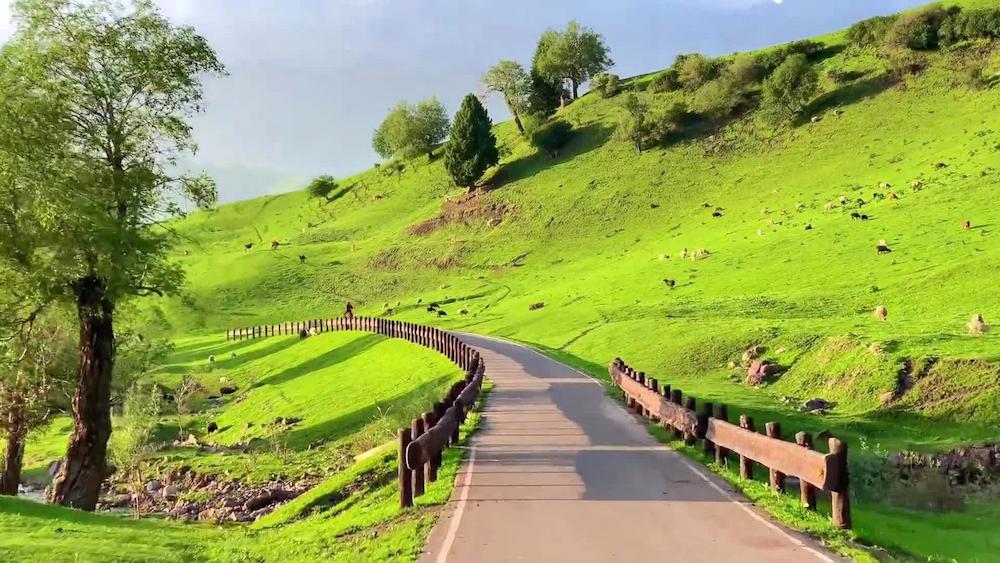
| Grassland yurt (Nalati, Bayinbuluke) | ¥150–350 | Walk-in May–Sep | Scenic, summer only |
| County inn (south Xinjiang towns) | ¥120–220 | 1–2 weeks ahead | Budget, basic comfort |
Why I Built This Xinjiang Accommodation Guide Guide
While working on this Xinjiang Accommodation Guide Xinjiang visitors kept asking me whether they could just book everything on one app. The short answer is no, not reliably. Booking.com and Ctrip cover Urumqi and Kashgar well, but once you leave the prefecture capitals the inventory thins out fast. The yurt camps outside Nalati and the timber lodges in Hemu Village are often full by mid-May, and they are rented through WeChat groups rather than international platforms. That gap is exactly what this Xinjiang Accommodation Guide guide is meant to close: a plain walk-through of what exists, what it costs, and how to lock it in before you land.
I learned the hard way in 2019. I arrived in Tashkurgan on a Friday evening assuming a border-town hotel would have walk-up rooms. It did not. The one decent guesthouse was holding its last three rooms for a tour group, and I spent 90 minutes on the phone before a driver’s cousin let me sleep on a couch. Since then I treat lodging in this region as the first thing to plan, not the last.
How to Get There
Most trips begin at Urumqi Diwopu International Airport. A taxi to the city center takes about 40 minutes and costs ¥90–110 on the meter; the airport bus is ¥15 but only runs until 22:00. If you arrive by train, Urumqi Station sits inside the city and a ¥20 ride gets you to almost any hotel. Kashgar Airport is the second common entry point for people flying in from Chengdu or Xi’an, and Yining Airport serves the Ili valley directly in summer.
The point of arriving by a major hub is that this is where your best hotel choices sit. Book your first and last nights in a prefecture capital, then work outward. A Xinjiang budget travel guide will show you which towns have cheap dorms and which only have full-price business hotels, and that split decides a lot of your nightly cost.
Best Time to Visit
Summer (June to August). This is peak season. Urumqi business hotels jump from ¥450 to ¥750 a night, and the Hemu and Nalati camps sell out weeks early. The weather is warm and the grasslands are green, but you pay for it and you queue for it.
Autumn (September to mid-October). My favorite window. The poplars around Tarim turn gold, the heat drops, and prices ease by about 20 percent after the National Day holiday ends on October 7. Book by late July and you still get choice rooms.
Winter (November to March). Many yurt camps and mountain lodges close. City hotels drop to ¥250–400 and you often get a free upgrade. The trade-off is cold and some high passes shut. A Xinjiang winter travel guide lists which passes close and which hot-spring stays stay open.
Spring (April to May). Shoulder season with variable weather. Good for deals, but expect the occasional snow patch on the Duku Highway and patchy heating in smaller inns.
My clear recommendation: aim for September 10 to October 5. You get the color, the cooler drives, and room rates that have not yet hit winter lows but have fallen off the summer peak. Reserve by July.
Where to Stay
Budget (¥120–220). County inns dominate the south. The Ruoqiang Jinhui Inn charged me ¥140 for a clean room with a working heater and a real window. In Urumqi, backpacker dorms run ¥60–90 a bed. These places are basic: expect thin walls and a squat toilet on the floor, but the beds are clean and the owners are friendly.
Mid-range (¥300–550). This is the sweet spot. A restored courtyard guesthouse inside Kashgar’s old city cost me ¥360 and put me steps from the Id Kah Mosque morning call. In Yili I paid ¥420 for a four-star room with a proper breakfast buffet. For families, a Xinjiang family travel guide points to hotels with triple rooms and kid-friendly breakfasts, which are harder to find than you would think.
Upper (¥700–1,400). Urumqi’s international five-stars sit at ¥1,000–1,200, and the restored Silk Road heritage hotels in Kashgar reach ¥900 for a suite. Worth it if you want a pool after a long drive or a quiet lobby to answer emails. I treat these as a reward night, not an every-night cost.
Food
Most mid and upper hotels include a breakfast of naan, boiled eggs, tomatoes, and milk tea, and that alone saves you ¥20 a morning. Step outside and the street food does the rest. A plate of polo (rice with carrot and lamb) runs ¥18–25. Laghman noodles with stir-fried toppings are ¥25–35. Mutton skewers are ¥3–5 each, and a fresh samsa from a roadside oven is ¥6. Naan itself is ¥3–5 and keeps for two days in your bag, which matters on long driving days.
In the old-city guesthouses, the owner often brings evening tea and a shared plate of melon at no charge. In Hemu I once shared a stove with three Kazakh herders who poured me salted milk tea until midnight; that kind of night never shows up in a chain hotel. Those small meals are where the best travel talk happens, and they are a reason to pick a family-run place over a chain.
Practical Tips
- Book summer and National Day rooms two months early. The good yurt camps are gone by May.
- Use Ctrip for cities and a Chinese contact or WeChat group for yurts and village lodges. International apps miss most of them.
- Check the heating before you unpack in spring and autumn. Some inns only switch it on after a fixed date, even if it snows early.
- Confirm the cancellation rule in writing. Small inns often ask for a ¥50–100 deposit that is not refunded if you change plans at the last minute.
- Carry ¥300–500 in cash. County inns and yurt camps rarely take foreign cards, and a few do not take international Visa at all.
- If your route touches the Pamir or other border zones, read the Xinjiang visa and permit guide first. Your permit address and your hotel must match, or you can be turned away at the checkpoint.
Sample Itinerary
This Xinjiang Accommodation Guide Guide assumes you change hotels every one or two nights and drive the classic north-south arc.
- Day 1 – Urumqi: Haven Inn near the station, ¥420. Set your watch, sort your permits.
- Day 2 – 3 – Yili and Nalati: one night in a Yili city hotel (¥400), one night in a Nalati yurt (¥280).
- Day 4 – 5 – Kuqa: a mid-range business hotel, ¥360, with a real parking lot for your driver.
- Day 6 – 8 – Kashgar: old-city courtyard guesthouse, ¥360, three nights so you can day-trip without repacking.
- Day 9 – 10 – Tashkurgan: a Pamir guesthouse, ¥320, booked together with your permit.
A Xinjiang self-driving guide explains which of these legs need an early start and which hotels have secure overnight parking, which is a bigger deal than it sounds when your car is loaded with bags.
FAQ
Can I book every night on Booking.com?
No. Urumqi, Kashgar, and Yili are well covered, but grassland yurts, Hemu lodges, and small southern-town inns are mostly off international platforms. Plan those through Ctrip or a local contact.
Do yurt camps have private bathrooms?
Usually not. Most Nalati and Bayinbuluke camps share a toilet and shower block a short walk away. A few premium yurts add a private bath at ¥350–450 a night. Ask before you pay.
Is it safe to stay in small-town inns?
Yes. I have slept in dozens from Ruoqiang to Yecheng without a problem. The front desks log passport details by law, which is standard, and the rooms are clean. The main risk is comfort, not safety.
How early should I book in summer?
Two months for cities, and as soon as your dates are fixed for yurts and Hemu. By June the scenic lodges are mostly full through August.
Do hotels take foreign credit cards?
The big Urumqi and Kashgar international hotels do. Smaller places and almost all inns take Alipay, WeChat Pay, or cash. Carry cash as a backup and do not assume Visa works everywhere.
Disclaimer
Prices, permits, and hotel openings in Xinjiang change often. The nightly rates and booking windows above reflect what I paid and saw in 2024 and early 2025, and they are not a guarantee. Border permits, yurt operating dates, and even which hotels accept foreign cards can shift with the season or with local policy. Always confirm the current rate, the cancellation rule, and any permit requirement with the property or an official source before you pay. This article shares personal experience, not a fixed quote.