

The question I get most before a trip isn’t “where should I go” — it’s “what do I pack?” What to wear in Xinjiang comes down to two rules that trip up first-timers: dress modestly near mosques and old towns, and layer for a daily temperature swing that can exceed 20°C. After eight seasons on the road here, I’ve watched travellers roast at noon and shiver by 9pm on the same day. This guide covers the dress code, the year-round basics, and a season-by-season packing list so you arrive ready.
The Only Real Dress Code: Modesty Near Mosques
Let me clear up the biggest worry first. There is no general dress restriction for travellers in Xinjiang. You will not be turned away from restaurants, trains, or streets for what you wear. The one place it matters is religious sites — mosques, shrine courtyards, and the enclosed old-town quarters around them.
At those spots, cover your shoulders and knees. For both men and women that means no shorts, no sleeveless tops inside the prayer areas. A long skirt or loose trousers and a top with sleeves is respectful and gets you in without fuss. In Kashgar’s Id Kah Mosque and similar active mosques, this is enforced at the entrance. You don’t need a headscarf to enter most courtyards, but carrying a light scarf is smart if you want to step into a prayer hall or visit a more conservative village.
Outside religious sites, dress for comfort and weather. Locals in the cities wear modern, casual clothing, and you’ll blend in fine in trousers, shirts, and walking shoes.
Rule One for Everything Else: Layers
The single most important packing principle is layering, because Xinjiang’s daily temperature swing is huge. It’s common to go from 25°C in the afternoon sun to 5°C after dark in the same mountain town. A system of base layer + mid layer + outer shell lets you add and shed through the day without carrying four separate outfits.
I tell everyone to build the wardrobe around one warm layer they’d never need in a city holiday — a light down or fleece — because even summer evenings in Kanas or on the Pamir Plateau drop into single digits.
Sun Protection Is Non-Negotiable
The air is dry and the sun is strong, especially at altitude and in the basins. Bring a brimmed hat, good sunglasses, and SPF50 sunscreen, and actually use them. The UV at Sayram Lake or on the Pamir Highway will burn you through a cool breeze. A lip balm and moisturiser help with the dryness too; first-timers often underestimate how fast the arid air cracks skin and lips.
A Windproof Jacket Earns Its Place
Wind is a constant, particularly across the Junggar and Tarim basins and on open plateau roads. A packable windproof shell blocks the gusts and the dust that rides them. In spring it’s almost essential; in autumn it turns a cold evening into something manageable. I keep one in my daypack from April through October.
Sturdy Shoes Over Fashion
You’ll walk on uneven old-town lanes, gravel lake shores, and mountain trails. A pair of broken-in walking shoes or light hiking boots beats sneakers or sandals. If you’re doing any real trekking around Kanas or the grasslands, proper ankle support saves you. Sandals are fine only in hotel rooms and the hottest Turpan afternoons — never for sightseeing days.
By Season: What Actually Goes in the Bag
Summer (June to August)
Light, breathable clothing for the days — but keep a warm layer for nights in the mountains and on the plateau. Turpan will hit 40°C-plus, so loose cotton and a sun hat are your friends there. Add the rain-no, mostly just sun gear: hat, sunglasses, SPF50. Even in August, pack that light down for Kanas and the Pamirs.
Autumn (September to October)
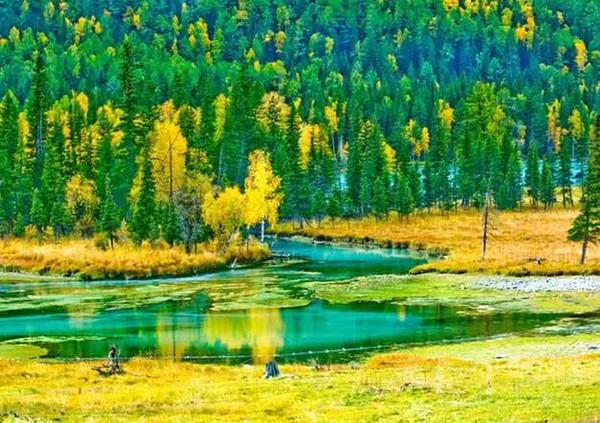
This is prime layering season. Base layer, fleece, and a light down or windproof shell. Days are mild, nights are cold, and the poplar and forest stops mean early-morning starts in near-freezing air. Gloves and a warm hat earn their keep by late October. This is the month to take the layers seriously, not optionally.
Winter (November to March)
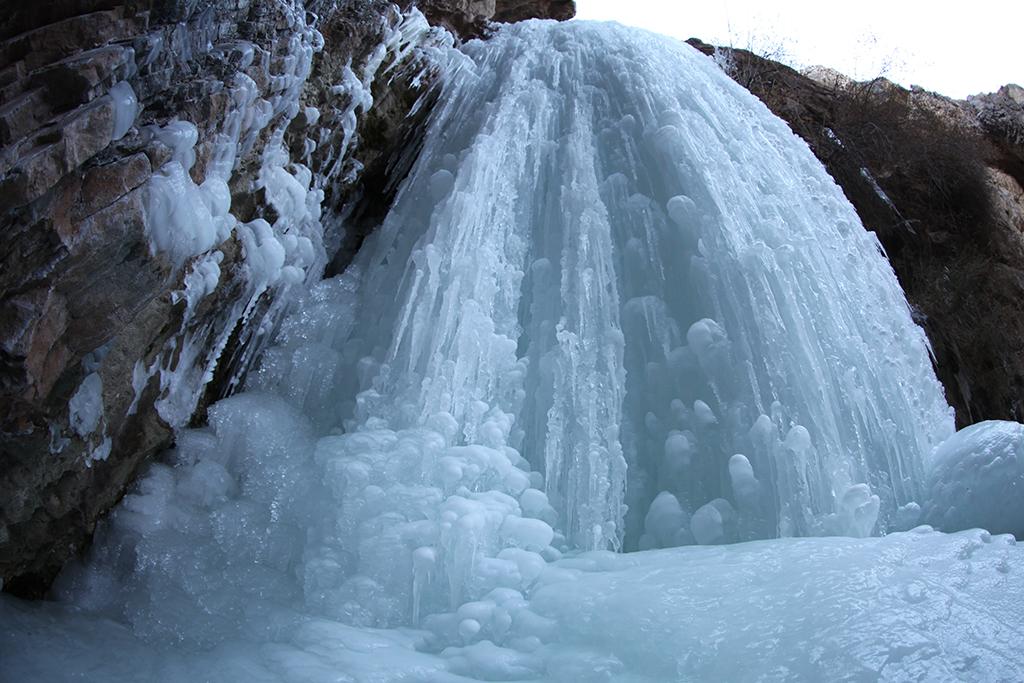
Heavy down jacket, thermal base layers top and bottom, insulated trousers or overtrousers, real gloves, beanie, and warm boots. Northern nights hit minus-20°C. If you’re skiing around Urumqi or Koktokay, treat it like any alpine winter trip. The south is milder but still cold after dark.
Spring (March to May)
The wildcard season: warm one hour, windy and dusty the next. Pack the windproof shell and a dust mask for basin drives, plus a mid layer for cool mornings. The Yili apricot-blossom trips in April mean variable, changeable days — layers and a shell, same as autumn but lighter.
The Pamir Exception
One note worth its own line: the Pamir Plateau is cold even in summer. At 3,000-4,500 metres, July afternoons can be pleasant but nights drop near freezing, and the wind cuts. Whatever month you cross the Karakoram Highway, pack as if for autumn mountains. I’ve had travellers in shorts regret it by the Tashkurgan pass in August. Build your Xinjiang travel guide route with a warm layer reserved for the plateau leg.
Quick Seasonal Packing List
| Season | Core Clothing | Must-Carry Extras |
|---|---|---|
| Summer | Light breathable tops, trousers/shorts, one warm layer for mountains | Hat, sunglasses, SPF50, light down for plateau |
| Autumn | Base layer, fleece, light down, windproof shell | Gloves, warm hat, moisturiser |
| Winter | Heavy down, thermal base layers, insulated trousers, boots | Beanie, real gloves, warm socks |
| Spring | Mid layer, light shell, variable-day clothing | Windproof jacket, dust mask |
Mosque Visit Checklist
For any stop at an active mosque or old-town religious quarter, I keep a small kit: a long scarf or shawl (covers shoulders and, if needed, head), trousers or a long skirt below the knee, and sleeves. It takes no space and avoids the awkward turn-away at the door. Most Xinjiang cities with old towns — Kashgar above all — warrant carrying it.
For the broader picture on when to use these layers, my Xinjiang itinerary planning pages tie clothing to each month’s weather.
Fabrics and Colours That Work
What the clothes are made of matters more than the style. Merino or synthetic base layers wick sweat on warm afternoons and insulate when cold — far better than cotton, which stays wet and chills you. A packable synthetic down beats a bulky wool coat for the same warmth at a third of the weight. Loose, light-coloured clothing reflects the basin sun; dark heavy fabric bakes you in Turpan. For old-town visits, earth tones and muted colours are practical and respectful without trying too hard.
What Not to Bother Bringing
A few things I’d leave at home. Heavy formal wear has no use on this trip. A single giant suitcase is a liability on small-plane hops to the south and on guesthouse stairs — a 40-50L backpack or a soft duffel is easier. Hairdryers and the like are provided in most hotels, so skip them. And don’t pack a separate “evening” wardrobe; dinners are casual everywhere except the odd Urumqi hotel bar.
Photography and Electronics Kit
If you shoot, the gear list overlaps with the clothing one. A polariser and a warm layer for dawn sessions at Kanas or the poplars; spare batteries, because cold drains them fast on the plateau; and a dust-proof bag for basin drives. A power bank covers long days away from walls. None of this is formal dress, but it’s part of “what to wear” in the sense of what to carry — and it shapes how many layers you can strap on.
Laundry and Staying Fresh
With the daily swing and the dust, you’ll wash more than expected. Merino base layers can be rinsed and dry overnight in a hotel room; quick-dry trousers do the same. In the small grassland and forest towns, laundries are scarce outside peak season, so pack enough to rotate for four or five days and plan a wash stop in Urumqi or Kashgar mid-trip. A small travel line and a couple of pegs weigh nothing and save you.
Frequently Asked Questions
Is there a dress code for tourists in Xinjiang?
Only near mosques and old-town religious quarters: cover shoulders and knees, no shorts or sleeveless tops inside prayer areas. There is no general dress restriction elsewhere; dress for comfort and weather.
Do women need a headscarf?
Not usually to enter mosques or courtyards, but carry a light scarf. Some prayer halls and conservative villages appreciate it, and it solves any uncertainty at the entrance.
What should I wear in Xinjiang in summer?
Light, breathable clothing for the heat — plus a warm layer for Kanas and the Pamir Plateau, where nights drop to single digits even in July and August. Sun hat, sunglasses, and SPF50 are essential.
How cold is it at night and do I need a down jacket?
Nights swing 20°C or more below daytime. In the mountains and on the plateau, nights reach single digits or below even in summer. A light down or fleece is worth carrying year-round.
Are sturdy shoes necessary?
Yes for sightseeing days. Old-town lanes, lake shores, and trails are uneven. Walking shoes or light hiking boots beat sneakers; sandals are only for hotels and the hottest Turpan afternoons.
What about the Pamir Plateau in summer?
Pack for autumn mountains. The plateau sits at 3,000-4,500m; nights near freezing and strong wind are normal even in July and August. Bring a warm layer and windproof shell on any Karakoram Highway leg.