

Published: 2026-07-31 | Author: Karl Huang
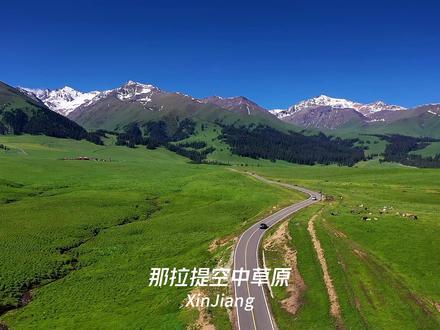
I put together this Nalati Aerial Grassland Guide after my third visit to the scenic area in June 2025, because most articles I read before my first trip confused the two halves of Nalati. The scenic area in Xinyuan County has two separate zones: the River Valley (Hexi) grassland near the entrance, and the Aerial Grassland (Kongzhong Caoyuan), a high plateau meadow sitting at roughly 1,800 to 2,200 meters that you can only reach by the dedicated shuttle bus line. I paid 95 RMB for the entrance ticket and another 62 RMB for the Aerial Grassland bus. The plateau is where the famous photos come from: rolling green slopes, spruce forest edges, Kazakh yurts, and snow peaks of the Tianshan behind everything. If you only have time for one zone, this is the one.
Quick Reference
| Item | Details |
|---|---|
| Location | Nalati Scenic Area, Xinyuan County, Ili Kazakh Autonomous Prefecture, Xinjiang |
| Entrance fee | 95 RMB peak season (June–Sept); Aerial Grassland shuttle bus 62 RMB extra |
| Best time | Mid-June to mid-July for wildflowers; September for golden grass |
| Elevation | Aerial Grassland plateau: ~1,800–2,200 m; visitor center: ~1,100 m |
| Time needed | Half day minimum for the Aerial Grassland alone; full day for both zones |
Nalati Aerial Grassland Guide: What the Plateau Is Actually Like
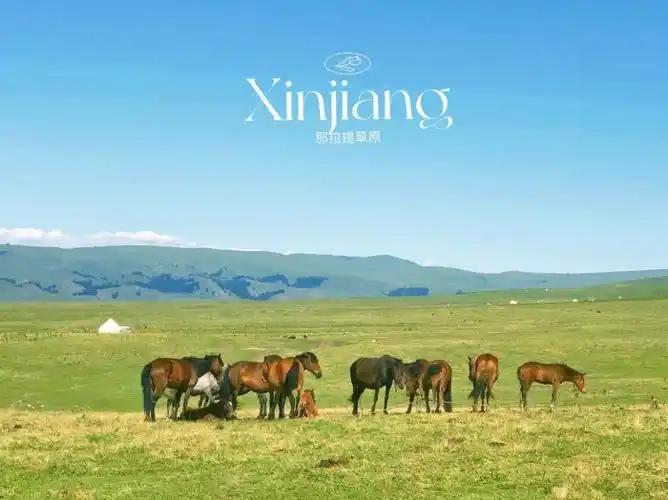
The shuttle bus from the visitor center takes about 40 minutes, climbing switchbacks through spruce forest. My driver in June stopped once at a viewpoint where everyone piled out for photos of the Gongnaisi River valley below. At the top station, the land flattens out into a wide plateau meadow. The scale surprised me even on my third visit. You walk on boardwalks between viewing platforms, and Kazakh herders bring their horses up to the boardwalk edges offering rides.
I rode for one hour with a herder named Erbol, and paid 150 RMB after agreeing on the price before mounting. He led me off the main boardwalk loop to a slope where his family’s sheep were grazing, then to a ridge with a clean view of the snowline. Negotiate first, always. Some visitors near me paid 200 RMB for the same route because they asked after the ride started.
In late June the flowers were at their best: wild apricot blossoms are long gone by then, but the meadow itself was full of purple sage, yellow buttercups, and white yarrow. By the time I visited in early September on a previous trip, the flowers were finished and the grass had turned gold. Both versions are worth seeing. They just feel like different places.
Plan two to three hours on the plateau. The boardwalk loop takes about 90 minutes at a photo-heavy pace, and the last bus down usually leaves around 19:30 in summer, though I always confirm the time with the driver on the way up. Weather turns fast at this elevation. A sunny morning became a 15-minute hailstorm during my June visit, then cleared again. Bring a shell jacket even in July.
How to Get There
From Urumqi: Nalati has its own small airport (NLT) with flights from Urumqi taking about one hour, usually 400–700 RMB one way. The airport is roughly 50 km from the scenic area, and taxis charge around 100–150 RMB. Driving from Urumqi takes 6–7 hours (about 450 km) via the Duku Highway’s northern section or the G218.
From Yining: about 180 km east, a 3-hour drive on the G218 through the Ili Valley. Shared cars from Yining run about 80–100 RMB per seat. This is the most common approach for travelers doing the Ili Valley loop, and it pairs well with the sites covered in my Nalati Grassland Travel Guide, which covers the wider area including the River Valley zone.
From Xinyuan county town: the scenic area entrance is about 30 km away, a 40-minute taxi ride costing 60–80 RMB. Xinyuan has more hotel options than Nalati town itself.
Note that the Duku Highway section near Nalati typically opens June through early October only. Outside those months, plan on the G218 route.
Best Time to Visit
Spring (April–May): The valley floor greens up but the Aerial Grassland can still hold snow into May. Shuttle service to the plateau sometimes runs a reduced schedule. I would not plan a trip around the plateau in this window.
Summer (June–August): Peak season and peak conditions. Mid-June to mid-July gives you the strongest wildflower display on the plateau. July and August bring more tour groups and afternoon thunderstorms, but the grass stays deep green. Daytime highs on the plateau sit around 15–22°C, so pack a warm layer.
Autumn (September–early October): The grass turns gold, crowds thin out, and the light gets sharper. Mornings can drop below 5°C on the plateau. This is my pick for photographers.
Winter (November–March): The Aerial Grassland shuttle usually stops; the area runs limited winter activities near the entrance. Not worth a dedicated trip for most visitors.
My recommendation: the last two weeks of June. Flowers, green grass, and slightly thinner crowds than July. I went deeper into the seasonal details in my post on the best time to visit Nalati Grassland, and the same logic applies to the plateau, just shifted about two weeks later because of the elevation. For the best time to visit Nalati Aerial Grassland specifically, June 15 to July 10 is the window I would book.
Where to Stay
Budget (100–200 RMB): Guesthouses in Nalati town, a 10-minute drive from the scenic area gate. I stayed at a family-run place on the main street for 160 RMB in June; clean room, shared laundry, and the owner drove me to the gate for 20 RMB. Yurt stays inside the wider grassland area run 100–150 RMB per bed, but confirm whether they include transport.
Mid-range (250–450 RMB): Newer hotels in Nalati town and Xinyuan county town. Xinyuan has more choice and better restaurants; the tradeoff is the 40-minute morning drive to the gate.
Upper (500–900 RMB): A couple of resort-style hotels near the scenic area entrance with grassland views. In peak July these book out a week or more ahead, so reserve early if you want to walk to the gate.
Food
Kazakh food dominates here, and portions are big. Prices I paid in Nalati town in June 2025:
Narenfan (naryn): hand-pulled noodles with boiled horse meat or lamb, the signature Kazakh dish. 35–45 RMB and easily enough for two people. Lamb skewers: 8–10 RMB each for the thick Xinjiang style. Whole roast lamb leg: around 120–150 RMB at yurt restaurants on the grassland. Kazakh milk tea: 5–10 RMB per bowl, salty and served with baursak fried dough. Big plate chicken (dapanji): 80–100 RMB for a plate that feeds three.
Inside the scenic area, food stalls near the plateau bus station charge about 30–50% more than town prices. I carry nuts, fruit, and water up the mountain and eat properly back in town.
Practical Tips
- Buy the entrance ticket plus the Aerial Grassland bus line (62 RMB) rather than only the cheaper River Valley line (40 RMB). The plateau is the main event.
- Agree on horse riding prices before you mount. Fair rate in 2025 was 100–150 RMB per hour.
- Start early. The first buses around 09:00 beat both the tour groups and the afternoon storms.
- Pack a rain shell and a warm layer regardless of season. The plateau is 8–10°C colder than the valley.
- Confirm the last downhill bus time with your driver. Missing it means an expensive negotiated ride or a very long walk.
- Bring cash for herder-run services. Mobile payment works in town and at official counters, but not always on the mountain.
- Sunscreen and a hat matter more than you expect at 2,000 m, even on cloudy days.
- Your passport is required for ticket purchase, as at most Xinjiang scenic areas.
Sample Itinerary
08:00 Breakfast in Nalati town (milk tea and baursak, about 15 RMB), taxi to the visitor center.
09:00 Buy tickets, board the Aerial Grassland shuttle line.
09:45 Arrive on the plateau. Walk the boardwalk loop counterclockwise for the mountain views first.
11:30 One-hour horse ride with a local herder (agree on 100–150 RMB first).
13:00 Snack break at the plateau station or your own packed food.
14:00 Bus down, then transfer to the River Valley line if you bought both (the valley zone takes about two hours).
17:00 Exit the scenic area, return to town.
19:00 Narenfan dinner in Nalati town, about 40 RMB.
If you have a second day, use it for Karajun’s terraced meadows two valleys over; my Karajun Grassland Travel Guide covers that route. Both fit naturally into a longer Xinjiang itinerary through the Ili Valley, and you can browse more options in the attractions section of this Xinjiang travel guide.
FAQ
Q: What is the difference between the Aerial Grassland and the River Valley grassland?
A: They are two zones of the same scenic area with separate shuttle lines. The Aerial Grassland is a high plateau at 1,800–2,200 m with the big mountain views; the River Valley zone follows the Gongnaisi River near the entrance at lower elevation. Most visitors rate the plateau higher.
Q: How much does a full visit cost?
A: Entrance 95 RMB + Aerial Grassland bus 62 RMB + River Valley bus 40 RMB if you add it. With a horse ride and food, budget 300–400 RMB per person for the day.
Q: Can I skip the shuttle and hike up?
A: No practical hiking access to the plateau is open to regular visitors; the shuttle is the standard way up. The boardwalks on top give you plenty of walking.
Q: Is one day enough?
A: Yes for the Aerial Grassland alone. If you want both zones plus a horse ride, it makes for a long day; some travelers split it over two days with a yurt stay.
Q: Does the plateau work for kids or older travelers?
A: Yes. The shuttle does the climbing and the boardwalks are flat. Just mind the altitude-related sun exposure and the temperature swings.
Disclaimer
Prices, opening hours, shuttle schedules, and permit requirements in this article reflect my visits through June 2025 and change without notice, especially between peak and off-peak seasons. Always verify current tickets and road conditions through official channels or your hotel before traveling. Horse riding and other herder-run services are informal; agree on terms clearly before starting.