

Published: 2026-07-20 | Author: Karl Huang
When I first drove into Luntai in late October 2023, I had budgeted two nights and ended up staying four. The Luntai Travel Guide you are reading started as the notes I wished I had before that trip. I paid 45 yuan for a shuttle into the Tarim Poplar Forest at 9 a.m., shared a 30-yuan plate of laghman noodles with a truck driver at a roadside cafe, and watched the desert light turn the poplars gold by 5:40 p.m. This is a working Silk Road town, not a resort, and that is exactly why it works as a base for the south Tarim loop.
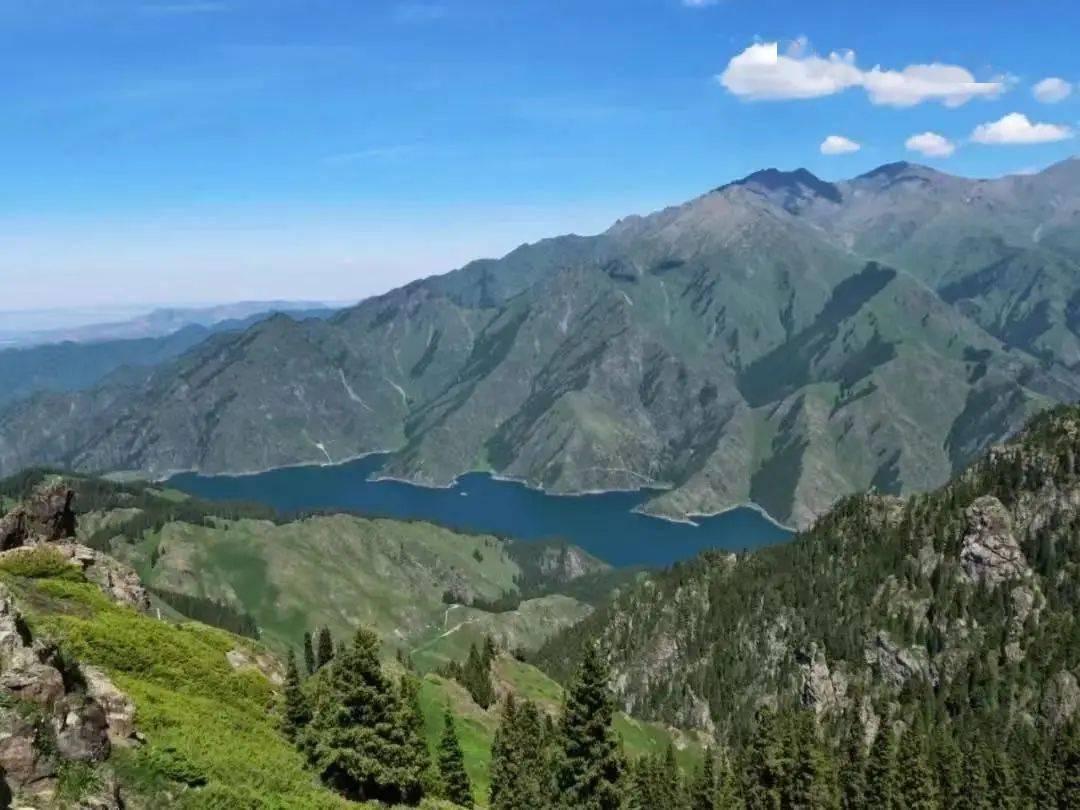
Luntai Travel Guide: My Take on the Town
I almost skipped Luntai. My original plan was to blow through it on the way to Korla and call it a day. That changed the moment I stood at the edge of the Tarim Poplar Forest and realized the whole belt runs for more than two hundred kilometers along the Tarim River. Luntai sits on the northern rim of the Taklamakan Desert, and it is also where the northern end of the Taklamakan Desert Highway begins. That road cuts straight south across the sand to Minfeng, a drive of about five hundred kilometers with nothing but dunes on both sides.
The town itself is compact. The main drag fills with melon carts and Uyghur bread stalls by mid-morning, and the pace slows to a crawl during the afternoon heat. On my second evening I walked to the night market near the old bus station and found a vendor selling grilled fish from the Tarim River for 15 yuan a skewer. He had been fishing that stretch of water for thirty years and told me, through a mix of gestures and broken Mandarin, that the poplars are the real draw now that the desert road brings more travelers through.
What keeps me coming back is the contrast. You can have breakfast in a noisy county-town cafe, be standing under a wall of yellow poplars by noon, and watch the sun drop behind a dune line by dinner. Few places in Xinjiang pack that range into a single day without a long transfer in between.
How to Get There
Luntai has no airport of its own, so most people route through Korla, the prefecture seat about 70 kilometers north.
From Urumqi: Take a high-speed or regular train to Korla (roughly 4.5 to 6 hours depending on the service), then a bus or taxi south to Luntai. The bus from Korla’s long-distance station runs several times a day and costs around 25 yuan. A private taxi for the 70 km run runs about 150 yuan if you want to move on your own schedule.
From Korla: Buses leave every hour or so from the Korla passenger station. The trip takes 90 minutes on the G3012 expressway. If you are already on a Kuqa or Aksu road trip heading west, Luntai sits neatly on the same northern Tarim corridor, so it is an easy add-on rather than a detour.
By air: Fly into Korla Airport (KRL), which has daily flights from Urumqi (about 1 hour) and seasonal connections from a handful of other cities. From the airport it is a 90-minute drive south to Luntai.
By car: The G3012 Turpan-Hotan expressway runs right past Luntai, and the desert highway branches south from here. If you are self-driving, Luntai is the last proper town with fuel, food, and a real hotel before the long crossing, so top off the tank and the water here.
Best Time to Visit
Luntai has a harsh continental desert climate, and the right season depends entirely on what you came to see.
Spring (April to May): Temperatures settle into a comfortable 15 to 28 C. The wind picks up and dust storms are possible, but the crowds are thin and hotel prices dip. This is a good window if you want the town without the poplar rush.
Summer (June to August): It gets hot, often above 35 C in the day, and the desert glare is intense. The Tarim Poplar Forest is full green rather than gold, which some photographers actually prefer. Nights are pleasant, and the night market is at its liveliest.
Autumn (mid-October to early November): This is the peak. The poplars turn yellow over a window of about three weeks, usually starting around October 15 and fading by early November. Daytime sits around 12 to 22 C, the light is clean, and the forest boardwalks fill with visitors. Book your room a week ahead if you travel in this stretch.
Winter (December to February): Cold, quiet, and cheap. The poplars have dropped their leaves, but the bare trees against snow-dusted dunes have a stark appeal. Many smaller hotels close, so confirm ahead.
My clear recommendation: Aim for the third week of October. You catch the poplars at full color, the desert highway is open and calm, and the weather is mild enough for long walks along the river. If you cannot make autumn, late April is the quiet runner-up.
Where to Stay
Luntai is a county town, so do not expect luxury resorts. What it has is solid, clean, and cheap.
Budget (80 to 140 yuan per night): Family-run inns near the bus station and the main road offer basic rooms with private bathrooms. They are functional rather than charming, but the location puts you steps from food stalls. I stayed in one for 95 yuan and slept fine.
Mid-range (180 to 280 yuan per night): National chains like Home Inn and Jinjiang Inn have branches in Luntai with consistent hot water, elevators, and breakfast. For a road-trip stop this is the sweet spot, and a double usually runs 200 to 240 yuan in the off season.
Upper (300 to 700 yuan per night): Luntai’s best rooms are in a local three-star property around 320 to 380 yuan. If you want a four or five-star experience, stay in Korla 70 km north, where international-brand hotels run 450 to 700 yuan, and make Luntai a day trip. That trade-off suited me when I traveled with my parents and wanted softer beds.
Food
The food in Luntai follows the southern Xinjiang pattern: wheat noodles, mutton, and river fish, with a strong Uyghur hand in the spice.
Laghman (hand-pulled noodles): A plate of stir-fried laghman with peppers and mutton costs 25 to 35 yuan. The 30-yuan version I had near the station was enough for a late lunch.
Polo (pilaf): Rice with carrot, raisin, and lamb, served in a shallow bowl for 20 to 30 yuan. It is the default fuel for long desert drives.
Kebabs (kawap): Mutton skewers run 3 to 6 yuan each at the night market. Five or six make a meal with a piece of naan.
Tarim River fish: Grilled or fried local fish sells for 15 to 25 yuan a skewer, or 60 to 90 yuan for a full plate at a sit-down spot. The flesh is lean and slightly sweet.
Naan and samsa: Round baked naan is 3 to 5 yuan, and samsa (filled pastry) from the tandoor is 4 to 8 yuan apiece. Buy a few at the morning stall and you have road snacks for the desert highway.
Soup: A bowl of mutton and noodle soup costs 15 to 22 yuan and is the move after a cold evening walk. Ask for extra chili oil if you like heat.
Practical Tips
- Fill your fuel tank and water jugs in Luntai before driving the desert highway. The next services are far apart and pricey.
- Buy your poplar forest ticket at the park gate, not from touts near the town entrance. The 2023 rate was 30 yuan entry plus a 45 yuan shuttle, paid on site.
- Carry cash. Small stalls and the older bus ticket counters do not always take mobile pay.
- Book autumn rooms a week ahead. The poplar window is short and the town has limited beds.
- Start forest visits before 10 a.m. The light is best and the boardwalks are empty before tour buses arrive around noon.
- Pack a dust mask and sunglasses. Spring wind and summer glare are real, and the desert throws grit without warning.
- Respect the river and forest. Stay on marked boardwalks; the poplar root systems are fragile and the area is protected.
Sample Itinerary
This three-day plan suits travelers driving the northern Tarim loop.
Day 1 (afternoon arrival): Reach Luntai from Korla by 2 p.m. Check in, then walk the main street and the night market. Dinner: kebabs and naan, about 40 yuan.
Day 2 (full poplar day): Leave at 8:30 a.m. for the Tarim Poplar Forest (30 min drive). Take the shuttle at 9 a.m., walk the riverside boardwalk until noon, eat at the forest cafe, and return by 4 p.m. Evening: mutton soup and an early night.
Day 3 (desert highway or westbound): If you have a 4×4 and permits sorted, drive the first stretch of the desert highway south for the dune experience, then turn back. Otherwise head west toward Kuqa or Aksu. Either way, leave Luntai with a full tank.
FAQ
Is Luntai worth visiting on its own, or only as a stop?
It earns a full stop in autumn for the poplar forest. In other seasons it works best as a base for the northern Tarim corridor rather than a destination in itself.
How long should I stay?
Two nights covers the town and one full poplar day. Add a third if you want to sample the desert highway or explore slowly.
Can I visit the Tarim Poplar Forest independently?
Yes. Buses and taxis run from Luntai to the forest gate, and you buy tickets on site. You do not need a tour, though a driver helps if you want to reach the deeper, less crowded sections.
Is the Taklamakan Desert Highway open to normal cars?
The highway is open, but it is a remote desert crossing with limited services. A full southbound transit needs a capable vehicle, spare fuel, and preparation. Most visitors drive a short way in for the scenery and return.
What is the food situation for vegetarians?
It is limited but workable. Naan, samsa (check the filling), plain polo without meat on request, and noodle soups can be made vegetable-based at small shops. Pure vegetarian travelers should pack snacks.
Do I need a special permit for Luntai?
The town itself requires no special permit for standard tourists. The desert highway and nearby border-adjacent areas are a different matter, so verify current rules before any deep driving.
Disclaimer
Prices, entry fees, bus schedules, and road access in this Luntai Travel Guide reflect what I observed on trips through 2023 and 2024. Xinjiang tourism rules, park ticketing, and the desert highway permitting can change without notice. Always confirm current fees, opening hours, and any required permits with official sources or your hotel before you travel. Treat the figures here as planning estimates, not guarantees.