

The question “Can foreigners visit Xinjiang?” lands in my inbox more than any other, and the answer is direct: yes. Xinjiang is open to foreign tourists, and the overwhelming majority of its destinations are reached with nothing more than a standard Chinese tourist visa (the L visa) stamped in your passport. I have taken eight seasons of travellers through this region, and in that time the rules have stayed consistent on the essentials — you need a visa, you carry your passport at all times, and if you want the border zones near Pakistan and Tajikistan you obtain a Border Permit on arrival in Kashgar. This guide lays out exactly what paperwork you need, what to expect at checkpoints, and where the real restrictions sit.
What paperwork you need to enter Xinjiang
Xinjiang is not a separate country and it is not a closed province. It is part of the People’s Republic of China, so the entry requirement is the same as anywhere else in mainland China: a valid visa. Most leisure travellers hold an L (tourist) visa, issued by a Chinese embassy or consulate before you fly. There is no special “Xinjiang visa” and no extra pre-approval needed to land in Urumqi or fly on to Kashgar.
A few practical notes from the road:
- Apply for your visa in your home country before departure. Visa-on-arrival does not exist for tourism in China.
- Your passport must be valid for at least six months beyond your entry date, with blank pages for stamps.
- Transiting through Beijing, Shanghai, or Xi’an on the way works fine; the 144-hour or 240-hour transit-without-visa schemes apply, but if Xinjiang is your only destination, get the full tourist visa so you are not boxed in by transit rules.
- Keep a paper and phone copy of your visa page. Checkpoints sometimes want to see it quickly.
For the rest of this article I assume you hold a tourist visa. If you are on a business, student, or work visa, the same border rules below apply, but hotel registration works differently — ask your sponsor.
Border zones and the Aliens’ Travel Permit
Here is the one real complication. A strip of Xinjiang sits along sensitive international frontiers, and to enter those areas a foreign national needs an Aliens’ Travel Permit (often called a Border Permit). The permit itself is usually free or costs a small administrative fee, and it is issued within one to two working days. The zones that require it include:
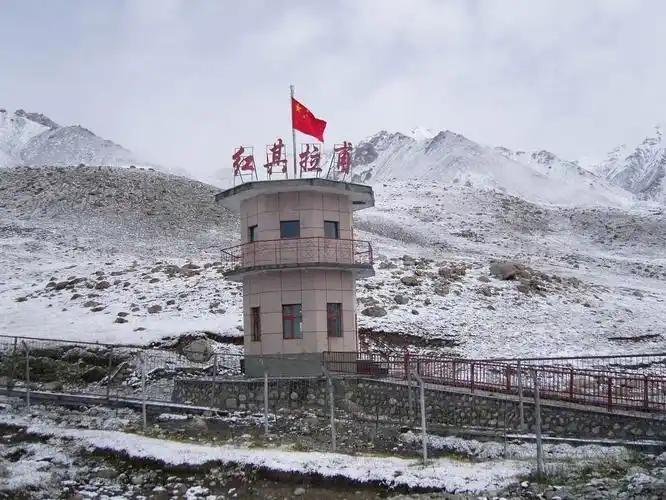
- Tashkurgan Tajik Autonomous County and the wider Pamir Plateau, including Karakul Lake and the road toward the Khunjerab Pass.
- The Karakoram Highway corridor heading toward the Pakistan border.
- Certain mountain passes and frontier towns where the road runs close to the line.
- A few remote spots in the far west and north that are posted as restricted.
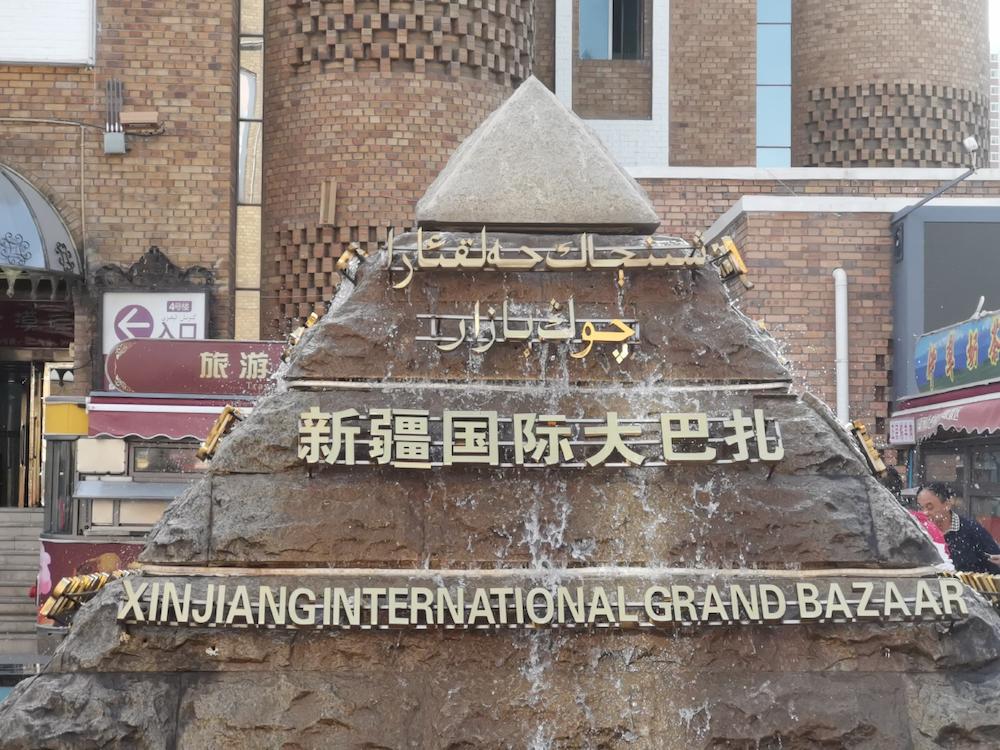
Everything east of those lines — Urumqi, Turpan, Kashgar city itself, the Tian Shan, the Duku Highway road trip, the Taklamakan desert edges — is open without any special permit. In my experience, roughly 90% of what first-time visitors want to see needs no Border Permit at all.
How to get the Border Permit in Kashgar
You cannot reliably apply for the Pamir permit online or from outside China. The working method is to arrange it through a licensed local agency once you arrive in Kashgar. Bring your passport and your Chinese tourist visa; the agency fills the form, submits it to the public security office, and you collect it a day or two later. Costs are modest — often just the agency service fee plus the free or near-free government permit.
A few pointers that save headaches:
- Book the permit at least three working days before you plan to leave Kashgar for the plateau, to absorb any delay.
- Make sure your agency is licensed and confirms the permit covers Tashkurgan specifically, not just “the south”.
- Carry the printed permit with your passport on the drive; checkpoint police will ask for both at the Pamir gates.
- If you are joining a guided tour of the plateau, the tour company normally handles the paperwork for the whole group.
Do not try to slip past the Pamir checkpoint without it. The road is gated and the fine or turn-back is not worth the gamble.
Routine security checks — always carry your passport
The single biggest behavioural change for visitors is the number of document checks. These are routine and not a reaction to you personally. Expect to show your passport or ID at:
- Airport, train station, and long-distance bus station entrances and exits.
- The gates of large bazaars and markets, including Kashgar’s Sunday market area.
- Highway checkpoints on routes like the Karakoram Highway and some desert roads.
- Hotels at check-in (they scan and register you — see below).
My rule for every client: your passport travels with you, not in the hotel safe. A small crossbody bag or inner pocket works. If you forget it and get waved to the side at a checkpoint, the delay is mild but avoidable. Staff at these points are professional; a calm “hello” and the open passport page keeps things moving.
Where foreigners cannot go
It is worth saying plainly what is restricted, because rumours exaggerate it. Some military areas, frontier posts, and a handful of specifically posted zones are closed to foreigners. These are signed and your permit application will simply be refused for those coordinates — you will not accidentally wander in. The destinations that fill most itineraries are open:
| Destination | Open to foreigners? | Extra permit? |
|---|---|---|
| Urumqi, Turpan, Kashgar city | Yes | No |
| Tian Shan mountains, Heavenly Lake | Yes | No |
| Duku Highway | Yes | No |
| Karakul Lake, Pamir Plateau | Yes | Border Permit |
| Karakoram Highway to border | Yes | Border Permit |
| Closed military / posted zones | No | N/A |
If you are building a Xinjiang itinerary, treat the permit zones as an optional add-on rather than the core of your trip.
Hotel registration rules
Foreigners in China must register their stay with the authorities, and the practical effect is that you sleep in licensed hotels that accept foreign guests. Most international-brand and mid-range city hotels in Urumqi, Kashgar, and Turpan do this automatically at check-in — they scan your passport and file the record. The catch is smaller guesthouses and some family-run inns in remote counties are not licensed for foreign guests and will turn you away at the desk.
Before you book a room in a small town, confirm in writing that the property accepts foreign passport holders. I have seen travellers stranded at 11pm because a homestay in a village could not register them. In the major hubs this is never an issue; off the main routes, book through a licensed agent or a hotel that states “foreigner friendly” clearly.
Photography: what not to point your lens at
Xinjiang is spectacular to photograph, but three subjects are off-limits for everyone, foreigner or local: police and military personnel, military installations, and government buildings. Markets, mosques (where permitted), landscapes, food stalls, and everyday street life are fine and people are generally happy to be photographed if you ask first. When in doubt, lower the camera. A checkpoint or army post seen through your viewfinder is the fastest way to have your memory card inspected.
My verdict: safe and accessible
So, can foreigners visit Xinjiang? Absolutely. The region is safe for travellers, crime against tourists is low, and the everyday experience is warm and hospitable. The only genuine paperwork is the Border Permit for the Pamir and Karakoram corridor, which a Kashgar agency handles in a day or two for little money. If you carry your passport, book licensed hotels, and skip photographing police and government sites, your main challenge will be the size of the place — not the border.
For deeper planning, my Xinjiang travel guide covers routes, seasons, and transport, while the Xinjiang attractions pages break down each destination’s access rules in detail.
One last practical point worth weighing before you book: the region is large, and the permit zones are a small slice of what is on offer. I tell clients to build the core trip first — the cities, the Tian Shan, the desert roads — and treat the Pamir permit as the optional finale. That way a delayed permit never sinks the holiday, and you still get the headline experiences that make the question “can foreigners visit Xinjiang” an easy yes in the first place.
Frequently asked questions
Do I need a special visa just for Xinjiang?
No. A standard Chinese tourist (L) visa covers Xinjiang. There is no separate Xinjiang visa. Only specific border zones require the additional Aliens’ Travel Permit, which you get inside China.
Can I get the Border Permit myself, or must I use an agency?
You apply through the public security office, and in practice a licensed Kashgar agency submits it for you. The permit is usually free or very cheap and takes one to two working days. Build in a buffer before your plateau departure.
Is it safe for foreigners to travel in Xinjiang?
Yes. Violent crime against visitors is rare, and the visible security presence is aimed at general stability rather than targeting tourists. Follow the passport-carry and photography rules and you will move freely.
Will small hotels accept me with a foreign passport?
Only licensed hotels that accept foreign guests can register you. Major-city hotels are fine; remote guesthouses may refuse. Confirm “foreigner friendly” before booking off the main hubs.
Can I drive the Karakoram Highway toward Pakistan?
The Chinese side to the Khunjerab area is reachable with a Border Permit and is a regular stop on Pamir tours. Crossing into Pakistan requires that country’s visa and its own rules; most visitors turn back at the plateau.
Do the security checks ever refuse entry to foreigners?
Routine checks verify your visa and permit; they do not refuse lawful tourists. Refusals happen only if you lack a permit for a posted restricted zone or try to enter a closed area.