

The single most useful thing I can tell you about planning a trip here is this: the best time to visit Xinjiang depends almost entirely on which part of this region you want to see, because Xinjiang is almost too big to have one climate. At 1.6 million square kilometres, it spans snow-forest taiga in the far north, the hottest low point in China around Turpan, and the high Pamir Plateau in the south. After eight seasons on the road I still tell people the same thing — pick your month by what you want to experience, then build the route around the weather and the roads. Below is the month-by-month breakdown I give every traveller who emails me.
Xinjiang’s Two Climate Zones in One Sentence
Most of Xinjiang is arid continental: huge daily temperature swings, low rain, intense sun. The north (Kanas, Yili, Urumqi) has real winters and short, green summers. The south and east (Kashgar, Turpan, the Tarim Basin) are drier and hotter, with milder winters but brutal summer heat. The mountain corridors — the Tianshan and the Pamirs — stay cool year-round and can be cold even in July. If you keep that split in your head, the rest of this guide makes sense.
January & February — Deep Winter
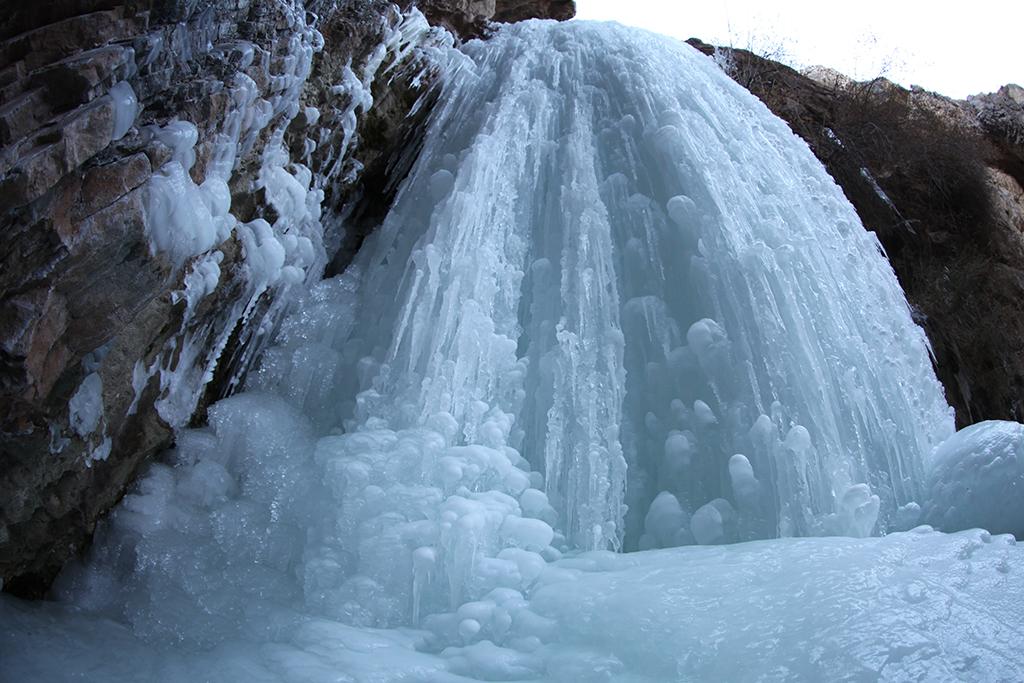
These are the quietest months. Kanas and Hemu are closed to through-traffic; the access road over the mountains is snowbound and the scenic area effectively shuts. But winter has its fans. Kashgar gets a dusting of snow and the old town feels calm and local. Around Urumqi the Silk Road ski resorts (like the slopes at Koktokay and near the city) run through the season, and January is when you’ll find the cheapest flights and hotels of the year.
Who it’s for: skiers, photographers chasing frozen poplar scenes, and budget travellers who don’t mind minus-15°C to minus-25°C nights up north. I don’t recommend it as a first visit if you want to see the famous lakes and forests — they’re inaccessible.
March — The Slow Thaw
March is a transition month with few rewards for a short trip. Snow is melting, roads are patchy, and the scenery is grey-and-brown rather than green. Some mountain passes stay icy. I usually tell people to skip March unless they have a specific reason. By late March the first apricot buds appear in the warmer south, hinting at what’s coming.
April — Spring Arrives in the South
April is when Xinjiang starts to open. Turpan warms up first; the grape trellises are bare but the weather is pleasant for walking the old sites like Jiaohe and Gaochang. The headline event is the wild apricot blossom (gongliu) across the Yili valleys, which typically peaks in early-to-mid April depending on the year’s snowmelt. It’s a short window — sometimes under two weeks — and the dates move, so watch local reports.
Crowds are still light and hotels are cheap. The north remains cool and muddy; Kanas is technically reachable but not yet green. This is a good month for cultural travel in the south and for blossom chasers willing to be flexible.
May — The First Real Window
May is underrated and one of my quiet recommendations. The north turns green, wildflowers start in the grasslands, and the big summer crowds haven’t landed yet. Sayram Lake is still cold but the surrounding meadows green up. Urumqi and the Tianshan corridor are comfortable. You can drive most routes, though the high Duku Highway usually isn’t open yet (more on that below).
Downsides: it can still be windy and occasionally cool, and some high pastures are only just melting out. But for travellers who want green landscapes without tour-bus queues, late May is excellent.
June — High Season Begins, Hills Explode With Flowers
June is when Xinjiang earns its reputation. The Yili grasslands — Nalati, Kalajun, Bayinbuluke — go electric cyan and gold with wildflowers. Sayram Lake sits a hard, almost unnatural cyan against snow-rimmed mountains. This is also when the Duku Highway road trip typically opens, around June 1, linking the north and south Tianshan in one spectacular day’s drive.
It’s busy but not yet at peak. Temperatures are pleasant almost everywhere except Turpan, which is already climbing toward 40°C. Book accommodation in the popular grassland towns early, because June weekends fill up with domestic tourists.
July & August — Peak Season and Peak Heat
These are the most crowded and, in the basins, the hottest months. Turpan regularly hits 40-45°C; standing at the Flaming Mountains at noon is genuinely dangerous without water and shade. The mountains — Kanas, the Pamirs, Bayinbuluke — stay cool and are the sane place to be, but that’s exactly where everyone else goes too.
If you must come in July-August, lean into the north and the high country, start sightseeing at 7am to beat both heat and queues, and reserve everything well ahead. For a first trip I’d steer you toward September instead; the trade-off in comfort and crowd levels is large.
September — The Best Month Overall
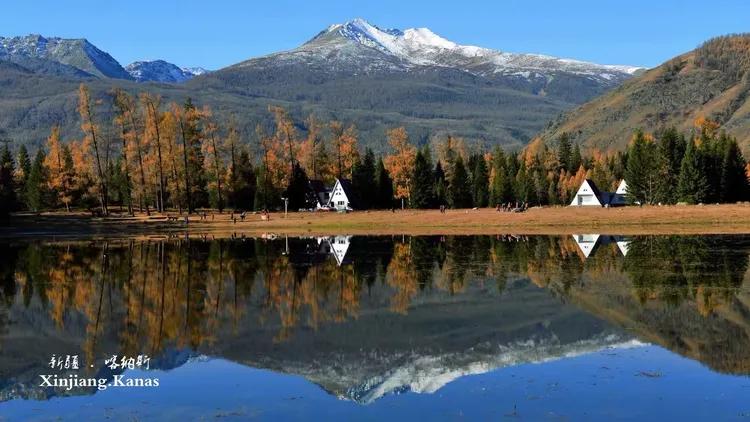
If I had to send one friend and could pick the month, it would be September. The Kanas and Hemu forests turn gold (roughly September 10-30), the air is crisp and clear with almost no dust, and the summer crowds thin out once Chinese schools resume in early September. The Duku Highway is still open, the Pamirs are at their clearest, and the south’s grape harvest is in full swing.
The one catch: China’s National Day holiday starts October 1 and crowds spill backward into late September, especially around the golden-week lead-in. Book the last week of September early, or aim for the first to third week for the calmest conditions. I cover this in more detail in my Xinjiang in September guide.
October — Golden Forests and the Last Light
Early October is a close runner-up to September. The poplar forests of the Tarim Basin — at Luntai and Zepu — go gold in mid-to-late October, a window of roughly two weeks that draws serious photographers. The Pamirs stay good into early October.
But the clock is running. The Duku Highway and most high mountain roads close around October 10-15 as snow arrives. Scenic areas begin winter shutdown, and many grassland guesthouses close their doors by late October. After mid-month, your realistic options shrink fast. Plan an Xinjiang travel guide route that finishes in the south or around Urumqi by the third week.
November through March — Winter Again
From November the region settles back into winter. Kanas closes, the grasslands are empty, and only the city hubs and the south stay loosely operational. It’s a long off-season good mainly for skiing, festival travel (Chinese New Year in late winter), and very low prices.
Month-by-Month Quick Reference
| Month | Typical Temperature Range | What’s Open | Recommendation |
|---|---|---|---|
| January | -25°C to -8°C (north); -10°C to 0°C (south) | Ski resorts, Kashgar old town; Kanas closed | Skiers and budget travellers only |
| February | -20°C to -5°C | Same as January | Quiet winter travel |
| March | -5°C to 10°C | Roads patchy, scenery grey | Skip unless necessary |
| April | 5°C to 20°C | South opens; Yili apricot blossom | Good for south + blossoms |
| May | 10°C to 25°C | North greens; most roads open | Underrated, low crowds |
| June | 15°C to 30°C | Duku opens ~Jun 1; full season | Great for flowers, book early |
| July | 20°C to 38°C (Turpan 40+) | Everything; very crowded | Cool mountains only |
| August | 18°C to 40°C (Turpan 45) | Everything; peak crowds | Avoid basins; prefer north |
| September | 8°C to 25°C | Golden forests; Duku open | Best overall month |
| October | 0°C to 20°C | Poplar gold; roads close mid-late | Good early; finish by Oct 20 |
| November | -10°C to 8°C | Winter shutdown begins | Off-season |
| December | -20°C to -5°C | Ski resorts reopen | Winter sports |
Choosing Your Month by Interest
Different travellers want different things, and the “best” month shifts with the goal. If it’s wildflowers and cyan lakes, June in Yili and around Sayram is unmatched. If it’s autumn colour, late September in Kanas and early-to-mid October in the Tarim poplars are the two peaks. If it’s culture and old towns without weather extremes, April and May in the south are calm and cheap. Skiers should look at January and February around Urumqi and Koktokay.
| If your priority is… | Best month | Why |
|---|---|---|
| Wildflowers & green lakes | June | Yili grasslands and Sayram at peak; Duku open |
| Golden autumn forests | Late Sept | Kanas/Hemu gold; clear, uncrowded |
| Desert poplars | Mid-Oct | Tarim gold window; low prices after holiday |
| Culture & low cost | Apr-May | South opens; light crowds, cheap rooms |
| Skiing | Jan-Feb | Resorts run; cheapest flights of the year |
The one combination to avoid is the basins in July-August: heat past 40°C and the year’s biggest crowds. Almost any other month is a better first visit.
My Verdict
For most travellers, September is the best time to visit Xinjiang: golden forests, clear air, open roads, and manageable crowds. If wildflowers and cyan lakes are your priority, June is the month. Avoid July and August in the basins if you can — the heat and the crowds rarely justify it. And if you’re flexible, late May and early October are the quiet sweet spots on either side of peak season. Whatever month you choose, build the route around the road-open windows, because in Xinjiang the weather decides whether a road exists at all.
Frequently Asked Questions
When does the Duku Highway open and close?
The Duku Highway typically opens around June 1 and closes in mid-October, usually between October 10 and 15, once snow makes the high passes impassable. Exact dates shift with the weather each year, so confirm before you travel.
Is September really better than July for Xinjiang?
For most people, yes. September has cooler, clearer weather, golden autumn colour, and far fewer crowds after schools reopen. July and August are hotter and busier, especially in the Turpan and Tarim basins where temperatures pass 40°C.
Can I visit Kanas in winter?
Not as a normal trip. The access road over the mountains closes with snow and the scenic area shuts down through the deep winter. Kanas is best from late May to mid-October, with the gold period in late September.
What month are the Tarim poplar forests gold?
The Luntai and Zepu poplar forests typically turn gold in mid-to-late October, for a window of about two weeks. It’s one of the last great photo opportunities of the season before everything closes.
Is May a good time to visit Xinjiang?
Yes, especially late May. The north is green, crowds are light, and prices are low. The main drawback is that the Duku Highway and some high pastures may not be open yet, so plan a northern or southern route rather than a cross-mountain drive.
How cold does it get at night in the mountains?
Even in summer, nights in Kanas, Bayinbuluke, and on the Pamir Plateau can drop to single digits Celsius. Bring a warm layer no matter the month — the daily temperature swing across Xinjiang is large.