

Published: 2026-07-26 | Author: Karl Huang
Best Time for Xinjiang Train Travel is a question I get almost every week from readers who want to see the region without renting a car. I still remember my first long haul here: in September 2022 I boarded the D8802 from Urumqi to Turpan at 09:12 and paid ¥51.5 for a second-class seat, watching the desert slide past the window. The weather was perfect, and that trip taught me timing matters as much as the route, because Xinjiang’s rail lines cross climates that shift hard from one valley to the next.
Quick Reference
| Item | Detail |
|---|---|
| Main gateway | Urumqi Railway Station (Ürümqi) |
| Role | Backbone transport linking north, south, and east Xinjiang |
| Typical fare (2nd class) | ¥51 to ¥520 depending on route and class |
| Best time | May to June and September to October |
| Key lines | Lanzhou–Urumqi HSR, Southern Xinjiang Railway, Hotan–Ruoqiang line |
How the Best Time for Xinjiang Train Travel Shaped My Routes
When readers ask about Xinjiang train travel Xinjiang routes, I point them to Urumqi first because almost every line radiates from there. My own habit formed after a rough lesson: I once rode the Turpan to Kashgar leg in late July, and the platform at Turpan hit 44°C at noon while the carriage blasted dry air-conditioning. The contrast was brutal. On that same Kashgar run I shared a soft sleeper with a melon trader from Yarkand who timed his whole harvest around the rail schedule, and it convinced me that the calendar matters more than the map. Since then I plan rail trips around the shoulder seasons and treat the train as a moving base camp rather than a mere transfer.
The Xinjiang Train Travel Guide on this site lays out the full line map, but the timing advice is what saves people money and comfort. I have now taken the rails in every season, and the difference between a June morning and an August afternoon on the same platform is the difference between a good trip and a tired one.
How to Get There
Most international and domestic visitors reach Xinjiang by air first, then connect to the rail network. The Lanzhou–Urumqi high-speed railway cut the cross-desert journey to about 11 hours, and it keeps improving. From Urumqi you can branch south to Turpan in roughly one hour, or push all the way to Kashgar on the Southern Xinjiang Railway.
If you are building a longer route, the Xinjiang by Train Travel Guide explains how to string together overnight sleepers so you wake up in a new prefecture. I recommend arriving at any major station at least 40 minutes early; the bigger terminals such as Urumqi and Kashgar are sprawling, and security checks add time.
Best Time to Visit
The best time to visit Xinjiang train travel routes is spring and autumn, but each season brings a different rail experience. Here is how I read them after eight seasons on the ground.
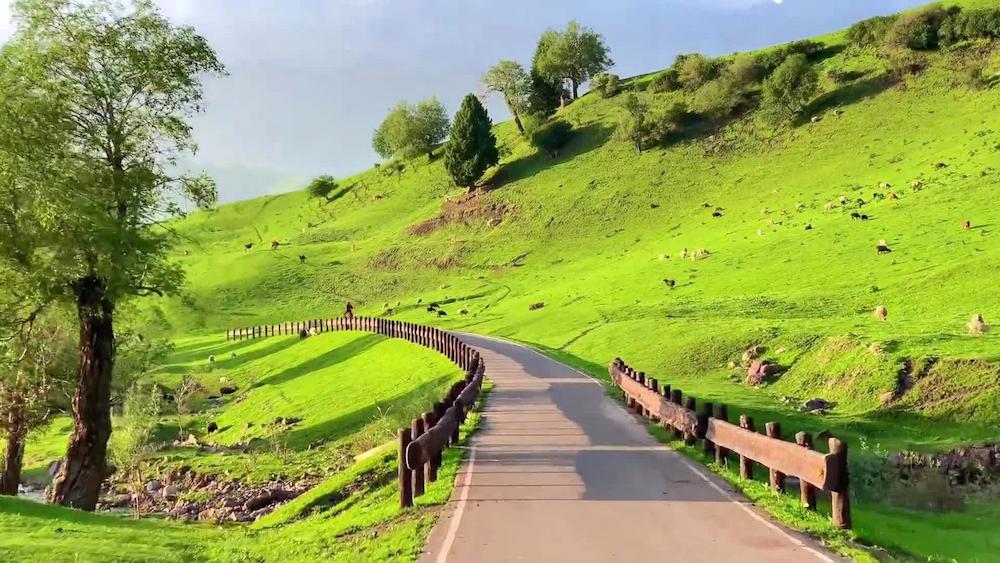
Spring (April to May). Northern Xinjiang wakes up with melting snow and the first green on the grasslands. The Ili line is lovely then. Southern Xinjiang can still throw sandstorms, so check the forecast before booking the Turpan or Kashgar legs.
Summer (June to August). This is peak season and schools are out, so carriages fill fast and fares climb. Turpan becomes dangerously hot at midday. The upside is the longest daylight of the year, which means more time at each stop. If you must travel in summer, book sleepers early and ride the cooler evening departures.
Autumn (September to October). My favorite. Skies are clear, the light is soft for photography, and the fruit markets in Kashgar and Hotan are bursting. Crowds thin after the National Day holiday in early October, and you often get a whole sleeper compartment to yourself.
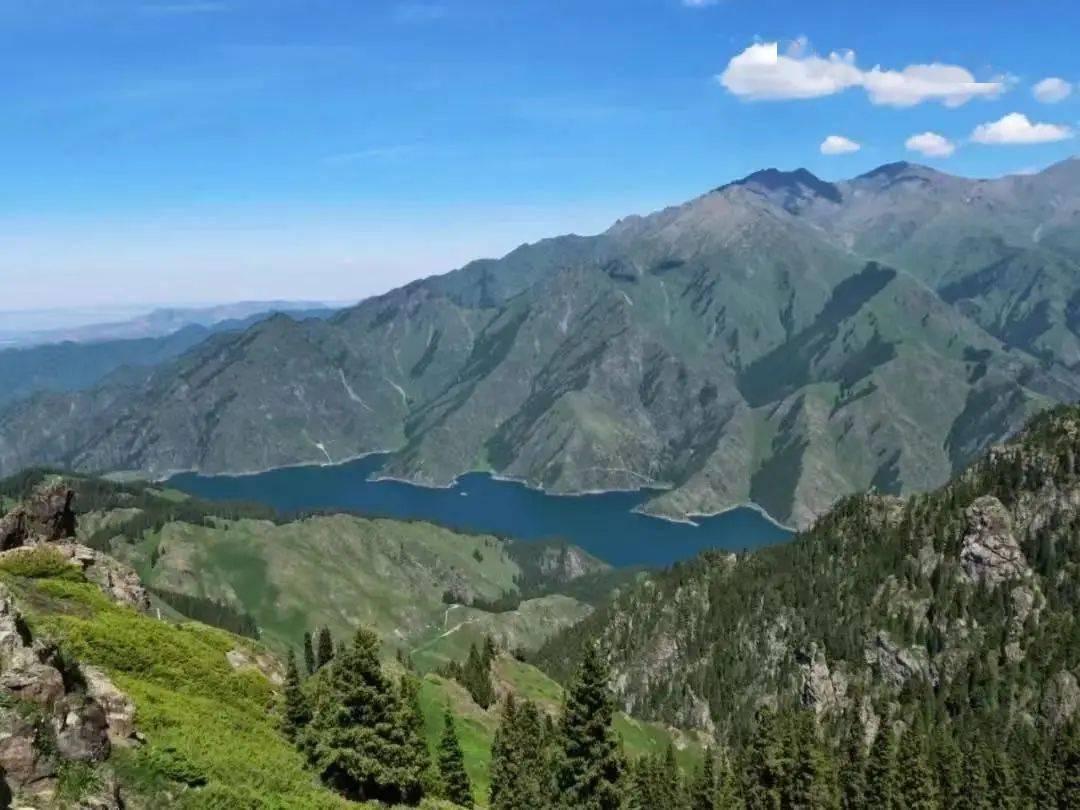
Winter (November to March). Cold, yes, but the trains are heated and the fares drop. The northern forests near Altay turn into snow scenes worth the chill. Some mountain lines run slower, so pad your schedule.
My clear recommendation: target May to June or September to October. You get comfortable platforms, reliable visibility, and the lowest chance of weather delays.
Where to Stay
I usually book a room within walking distance of the departure station the night before a long leg. Near Urumqi Railway Station you have options at every price point.
Budget. National chains like Home Inn or HanTing run clean rooms from about ¥150 to ¥220 a night. They are basic but reliable, and most sit a short taxi ride from the platforms.
Mid-range. Local four-star hotels and some international brands charge ¥400 to ¥700. The rooms are larger, the breakfast includes real naan and tea, and the front desk can usually help with a 12306 printout.
Upper. If you want to arrive rested, the upscale towers near the city center run ¥900 and up, with airport-style lounges and quiet floors that help before an overnight sleeper.
Food
Train food in Xinjiang is better than the instant-noodle reputation suggests. The dining car on longer lines sells box meals for about ¥30 to ¥45, usually lamb, rice, and a cold vegetable. At stations I grab a fresh naan for ¥3 and a cup of milk tea for ¥5. At Urumqi station I once paid ¥12 for a bowl of beef noodle soup that beat anything served on the train, and the vendor tossed in a free clove of garlic.
In the cities, eat before you board. Urumqi’s big plate chicken (da pan ji) feeds two for around ¥68. Lamb skewers run ¥3 to ¥5 each, and a plate of hand-pulled laghman noodles is about ¥25. In Turpan, buy raisins by the kilo from the bazaar; in Kashgar, the naan baked against the tandoor wall is the best I have eaten anywhere in the region.
Practical Tips
- Book through the 12306 system or a trusted agent. Foreign travelers can use a passport at station windows; the app mainly expects a Chinese ID number.
- Pack layers. The gap between a heated carriage and a hot platform is wide, and mountain stops can be 15 degrees cooler than the desert floor.
- Choose a soft sleeper for overnight legs. The beds are real, the curtain gives privacy, and you arrive rested instead of stiff.
- Carry some cash. Small vendors at rural stations often do not take international cards or foreign-linked phones.
- Download offline maps before you lose signal in the mountains. Station Wi-Fi is patchy once you leave the city ring.
- Check permit rules if your plan leaves the train for border zones. The Xinjiang Visa and Permit Guide covers which areas need advance paperwork.
Sample Itinerary
This is the rail loop I send to first-timers who have about a week.
Day 1. Fly or ride into Urumqi, settle near the station, and walk the International Grand Bazaar in the evening.
Day 2. Morning high-speed train to Turpan (about one hour, ¥51). Visit the Jiaohe ruins and the Karez system, then sleep in Turpan.
Day 3. Board an afternoon or evening sleeper south toward Kashgar. This is a long ride, so a soft sleeper is worth it.
Day 4. Arrive in Kashgar, rest, and explore the old city on foot.
Day 5. Day trip to the Sunday bazaar or the Karakul Lake road, then return to Kashgar.
Day 6. Overnight sleeper back to Urumqi, or a flight if your clock is tight.
FAQ
Do I need a special permit just to ride the trains?
No. Regular passenger trains inside Xinjiang do not require a border permit. You only need one if you leave the rail network for restricted border counties, so read the permit guide before adding side trips.
Can foreigners book tickets online?
The 12306 app is built around Chinese ID numbers, so many foreign travelers book at station windows with a passport or use a local agent. Arrive early and bring the physical passport.
Is train travel in Xinjiang comfortable?
Yes. Carriages are clean, heated in winter, and cooled in summer, with dining cars and boiled-water stations. Soft sleepers are genuinely restful on the long southern lines.
How far ahead should I book?
In peak summer and around the October holiday, book one to two weeks ahead for sleepers. In the shoulder seasons, three days is usually enough.
Which leg has the best scenery?
The Urumqi to Turpan run shows pure desert, while the northern loop toward the grasslands is greener. If you want one postcard view, ride the morning train when the light is low and the shadows long.
Disclaimer
Train numbers, schedules, and fares change often, and some border areas require permits that vary by nationality and season. The prices above are based on my own trips and are meant as planning ranges, not guarantees. Always confirm times, costs, and entry rules with the official 12306 system or the relevant authority before you travel.