

Published: 2026-07-25 | Author: Karl Huang
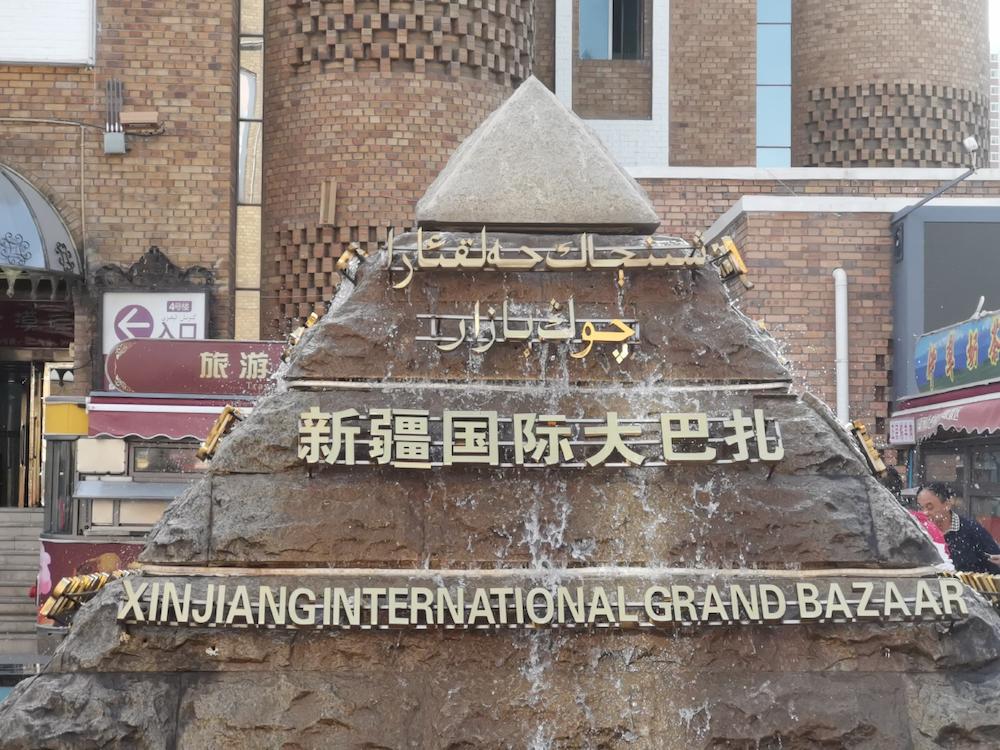
The first trip I planned around food instead of scenery ended at Urumqi airport on a Tuesday in late September 2021. I had taken the 7:40 AM flight from Beijing, and by 9:35 I was inside the International Grand Bazaar eating samsa, baked lamb buns pulled from a tandyr oven at 6 yuan each, still steaming. That morning settled the question I now hear most: the Best Time for Xinjiang Food Guide is not a vague “summer is nice” answer. It is a specific window, and missing it changes your plate by almost a full course.
I have since run eleven food-focused loops across the region, from the walnut stalls of Hotan to the grape trellises outside Turpan. Each season feeds you differently. Spring gives wild herbs and the first apricots. Summer floods the markets with melon and cherries. Autumn, though, is when everything lands at once: pears, pomegranates, jujube, walnuts, and lamb that has grazed all summer. When travelers ask the Best Time for Xinjiang Food Guide, I give them a date, not a season. For a Xinjiang Food Guide Xinjiang eaters actually use, I start everyone at the bazaar, then build the dates around what is ripe. If you only come once, come in autumn.
Quick Reference
| Place | Location | Fee | Best time to eat |
|---|---|---|---|
| Urumqi Grand Bazaar | Urumqi city center | Free entry; 30-60 yuan per meal | Year-round, richest Sept-Oct |
| Turpan Grape Festival | Turpan, east Xinjiang | About 50 yuan entry | Mid-August |
| Hotan night market | Hotan, south Xinjiang | Free; 20-50 yuan of snacks | Oct-Nov |
| Kashgar Sunday market | Kashgar old city | Free; Sundays only | Autumn is the fullest |
| Korla pear orchards | Korla, north Xinjiang | 15-25 yuan per kg | Mid-September |
What a Food-Focused Week Actually Feels Like
On my third loop I spent a full day in Kashgar just eating. I arrived by the 9:10 AM flight from Urumqi, dropped my bag at a 160 yuan guesthouse inside the old city, and walked to the naan baker on Renmin Road. He pulled a freshly stamped loaf from the vault oven at 4 yuan and handed it over wrapped in newspaper. From there it was a slow walk of small plates: a bowl of laghman at 26 yuan, a plate of steamed manty at 18 yuan, and cups of sut chai milk tea at 6 yuan each whenever the sun got strong.
The lesson stuck. A food trip here is not about one famous restaurant. It is about showing up when the ingredients are at their peak and letting the streets feed you. That is the whole point of planning the best time to visit Xinjiang Food Guide routes instead of just copying a list of dishes.
How to Get There
Most travelers fly into Urumqi Diwopu International Airport (URC), the main hub. From Beijing it is about 2,400 km and a 4-hour flight costing 1,500-2,200 yuan. From Shanghai, roughly 3,900 km and 5.5 hours for 1,800-2,600 yuan. Xi’an is the cheapest gateway at about 900-1,500 yuan and 3.5 hours, and you can also take the train west if you want the slow version. Chengdu and Guangzhou both run daily nonstops in the 5-hour range.
Once in Urumqi, the region opens up by plane and by road. A Xinjiang Self-Driving Guide helps if you want to chase orchards on your own schedule, since many of the best fruit towns sit far from the rail line. Domestic hops are short: Urumqi to Kashgar is about 2 hours and 1,000-1,400 yuan, Urumqi to Yining about 1 hour, and the high-speed rail to Turpan takes roughly 1.5 hours for under 60 yuan.
Best Time to Visit: the Best Time for Xinjiang Food Guide
Spring, from April to May, is quiet and green. The first apricots show up in Kashgar and Hotan around mid-May, wild herbs hit the noodle shops, and cumin lamb tastes clean after the winter. Markets are calm and prices are low, but the fruit selection is thin.
Summer, June through August, is the loud season. Hami melon and watermelons pile up at every corner, cherries ripen in the north, and Turpan holds its grape festival in mid-August with free tastings in the trellis lanes. The trade-off is heat: Turpan regularly passes 40°C, and lunch service slows between 14:00 and 17:00.
Autumn, mid-September to late October, is the window I recommend to almost everyone. Korla pears arrive around September 15. Yining apples and Hotan walnuts follow in October. Pomegranates from Yecheng and jujube from Hotan fill the stalls by early November. Lambs that grazed all summer are at their fattest, so the plov and kebabs taste richer. Days sit at a comfortable 15-25°C with dry, clear skies. This is the Best Time for Xinjiang Food Guide planning in practice.
Winter, November to March, is for preserved food. Dried fruit, pickled cabbage hot pots, and heavier plov with extra fat take over. Fresh produce drops, but the markets are cheap and the old-city tea houses are warm. It is a good season for budget travelers who care more about atmosphere than variety.
My clear pick is to arrive between September 15 and October 20. That is the Best Time for Xinjiang Food Guide I give every client who writes in. You get the fruit peak, the fattest lamb, and the most comfortable weather in a single trip.
Where to Stay
Budget travelers can sleep well for 100-180 yuan a night. Urumqi has backpacker guesthouses within walking distance of the bazaar, and Kashgar old-city courtyards run 120-200 yuan with thick mud-brick walls that stay cool. Book these a week ahead in October, because the fruit season draws domestic tour groups.
Mid-range hotels, 300-500 yuan, cover the big chains like Mercure and Jinjiang and put you near the night markets. Upper-end stays, 700-1,200 yuan, include the Marriott and Shangri-La in Urumqi and a few restored boutique courtyards in Kashgar that cost 600-900 yuan and are worth it for the location alone.
Food
Xinjiang eating is built on lamb, wheat, and dairy, with cumin and black pepper doing most of the flavor work. Here is what to order and what it costs at a local spot:
- Kawap, lamb skewers grilled over charcoal: 3-5 yuan each. Buy them by the string of ten.
- Samsa, baked lamb bun from the tandyr: 5-8 yuan.
- Manty, steamed dumplings with meat or pumpkin: 15-25 yuan a plate.
- Laghman, hand-pulled belt noodles with tomato and pepper sauce: 22-35 yuan.
- Polo, the local plov with rice, carrot, and lamb: 25-40 yuan.
- Dapanji, big-plate chicken with potatoes and wide noodles: 88-148 yuan, feeds two or three.
- Naan, the stamped flatbread: 3-8 yuan, good for three days.
- Sut chai, salty milk tea: 5-10 yuan a bowl.
- Seasonal fruit: Hami melon 2-4 yuan per kg, grapes 6-12 yuan per kg, pomegranate 8-15 yuan per kg in autumn.
If you want the full context behind these dishes, my longer Xinjiang Food Tour Guide walks through each region’s signature plate and the stall I trust in it.
Practical Tips
- Carry small cash. Many bazaar stalls take only paper yuan and round numbers, and ATMs inside the old city can run dry on festival weekends.
- Learn two words before you land: “nang” for bread and “sut chai” for milk tea. They get you fed in any town.
- Eat lunch early. The best plov comes out at 13:00 and the good trays are gone by 14:30.
- Go to the markets at 08:00 in autumn. The fruit is picked overnight and the prime pears and walnuts sell by 10:00.
- Check the weekly market day. Kashgar and Hotan both run their big livestock and produce markets on Sunday, and a Tuesday visit misses half the action.
- Stick to bottled water and tea. Tap water here is not for drinking, and the stomach bug from a bad glass will cost you two days of eating.
- If your route reaches border zones like Tashkurgan or Khunjerab, read the Xinjiang Visa and Permit Guide before you book, because those areas need a border permit most food trips do not.
Sample Itinerary: A 10-Day Xinjiang Food Guide Loop
This is the route I hand to first-time food travelers, and it follows the autumn window closely. The Best Time for Xinjiang Food Guide loop below keeps you in step with the harvest. A fuller Xinjiang Food Guide Guide breaks each stop down, but the skeleton looks like this:
- Day 1: Arrive Urumqi, dinner at the Grand Bazaar, samsa and milk tea.
- Day 2: Urumqi to Korla by rail, pear orchards and a lamb polo lunch.
- Day 3: Korla to Kuqa, roadside naan and a laghman stop.
- Day 4: Kuqa to Aksu, walnut stands and the old tea house.
- Day 5: Fly to Kashgar, old-city walk, Sunday market if the calendar lands right.
- Day 6: Kashgar to Karakul Lake, yak dairy and a high-altitude picnic.
- Day 7: Kashgar to Hotan, walnut, jujube, and the jade-market snacks.
- Day 8: Hotan to Yining by air, apples and grassland yogurt.
- Day 9: Yining to Turpan, grape lanes and a dapanji dinner.
- Day 10: Turpan to Urumqi, last plate of kawap, fly out.
FAQ
What month has the best fruit in Xinjiang?
Mid-September through October. Pears, apples, walnuts, pomegranates, and jujube all hit the stalls in that six-week run, and the lamb is at its best too.
Is Xinjiang food very spicy?
Not really. The flavor comes from cumin, black pepper, and salt rather than chili. It is milder than Sichuan food, though you can ask for extra heat at the grill.
Can vegetarians eat well here?
Yes, with planning. Naan, plain laghman, pumpkin manty, pickles, and mountains of fruit are all meat-free. Note that most broths and the default polo use lamb stock, so tell the cook clearly.
Do I need a permit just to eat my way across the region?
No. The main food cities, Urumqi, Turpan, Kashgar, Hotan, and Korla, need no special permit. Only border areas like Tashkurgan and Khunjerab require one, and that is covered in the permit guide linked above.
How much should I budget for food per day?
A serious eater spends 80-150 yuan a day at local spots, and 200-280 yuan if you add a restaurant dinner and market snacks. Alcohol is separate and limited in the old city.
Are the night markets safe for solo travelers?
They are busy, lit, and family-friendly well past 22:00. Keep your phone and wallet in a front pocket, and you will be fine. The bigger risk is simply overeating.
Disclaimer
Prices, market days, flight schedules, and permit rules change. The figures above reflect what I paid on recent trips and are shared as planning guidance, not a guarantee. Always confirm costs and entry rules with official sources and your accommodation before you travel. I am a travel writer and guide, not a licensed ticketing or immigration agent, and this article is not formal legal or booking advice.