

Published: 2026-07-31 | Author: Karl Huang
I have crossed through Khorgos three times now, and on my first visit in September 2019 I made the classic mistake: I showed up at the China-Kazakhstan International Border Cooperation Center at 11 a.m. without my passport, assuming an ID card would do. It did not. The security officer at Gate 1 sent me back to my hotel in town, a 20-minute round trip that cost me my quiet morning slot, and by the time I returned the queue had swollen to forty minutes. This Khorgos Border Port Guide is built on that kind of small, avoidable error. Khorgos sits at the far western edge of the Ili Valley, about 90 kilometers west of Yining, and it is one of the strangest day trips in China: part duty-free shopping zone, part working land port, part museum of six generations of border gates. It is not a conventional scenic spot, and travelers who arrive expecting mountain views usually leave confused. Travelers who arrive expecting a functioning piece of the China-Kazakhstan border, with cheap Kazakh chocolate and a genuinely odd no-man’s-land atmosphere, tend to enjoy it a lot.
Quick Reference
| Item | Details |
|---|---|
| Location | Khorgos City, Ili Kazakh Autonomous Prefecture, Xinjiang; on the Kazakhstan border, ~90 km west of Yining |
| Entry fee | Cooperation Center (ICBC): free entry with passport; National Gate scenic area: around 30-40 RMB when open |
| Best time | May to early October; September is my pick for weather and lighter crowds |
| Elevation | Approximately 640 m (low valley floor, hot summers) |
| Role | China’s largest land port on the Kazakhstan border; duty-free trade zone plus historic border gates |
One clarification before anything else, because it trips up almost everyone. “Khorgos” refers to three separate things that sit within a few kilometers of each other. First, the city itself, which only received city status in 2014 and still feels like a construction project with a downtown attached. Second, the working freight port, where trucks and trains cross into Kazakhstan; you cannot tour this. Third, the International Border Cooperation Center, usually shortened to ICBC or just “the cooperation zone,” which is the part tourists actually visit. The zone straddles the border line. Once inside, you are technically standing in a shared pocket of territory where Chinese and Kazakh traders sell under one roof. You do not get a Kazakhstan stamp in your passport, and you have not “been to Kazakhstan” in any legal sense, but you will hear Russian and Kazakh spoken at the counters, and the chocolate, honey, and camel milk powder on the shelves come straight across the line.
My second visit, in June 2023, was the one where the place clicked for me. I skipped the shopping halls for the first hour and paid the small fee for the old National Gate area instead. Khorgos has had six generations of border gates since 1881, and the fifth-generation gate still stands as a monument, a squat white arch that looks unremarkable until you read the dates on it. The current sixth-generation gate is a huge modern structure visible from the viewing area. Standing between the two, with freight trucks rumbling past toward Kazakhstan, gives you a better sense of what Khorgos actually is than any amount of duty-free browsing. Then I went back into the zone, bought two kilos of Kazakh chocolate for 68 RMB, drank a bottle of Kazakh kvass for 8 RMB, and ate lunch at a plov counter run by a Kazakh family who weighed my portion on a scale. Total spend for the day, not counting transport: about 160 RMB.
How to Get There
Khorgos is reachable year-round, and the connections are better than most people expect. If you are coming from Yining, the closest hub, you have three options. The train is the pleasant surprise: a slow local service runs from Yining to Khorgos station in about 90 minutes, and a hard seat costs around 21.5 RMB. Buses leave from Yining’s main bus station roughly every 30-60 minutes through the day, take about two hours with stops, and cost 25-35 RMB. A shared taxi or Didi runs 150-250 RMB one way depending on your bargaining and the season. My Yining Travel Guide covers where to stay in town if you are using it as a base, which is what I recommend; Yining has far better food and hotel options than Khorgos itself.
From Urumqi, it is a long haul: around 670 km by road. The practical route is a train or flight to Yining first, then a local connection. Direct sleeper trains from Urumqi to Khorgos exist on some schedules but take 10+ hours. Flying into Yining airport and continuing by road is faster for most itineraries. If you are driving the northern Xinjiang loop, Khorgos sits right on the G30 expressway, and the exit signage is clear in Chinese and English. Note that this is a border-adjacent area: carry your passport at all times, expect a police checkpoint or two on the highway, and build 20-30 minutes of buffer into any schedule.
Best Time to Visit: What This Khorgos Border Port Guide Recommends
The best time to visit Khorgos Border Port depends on whether you are combining it with the Ili Valley’s seasonal highlights, because on its own the zone operates year-round.
Spring (April-May): Comfortable temperatures, 15-25°C. The valley turns green and the apricot blossoms further east draw the crowds away from Khorgos. A good shoulder window.
Summer (June-August): Hot. The valley floor at 640 m regularly hits 35°C in July, and the walk between shopping halls in the zone is exposed. That said, June pairs perfectly with the lavender harvest in neighboring Huocheng county; my Huocheng Travel Guide explains how to combine the two in one day, which is what most independent travelers end up doing.
Autumn (September-early October): My recommendation. Temperatures fall back to 18-28°C, the summer tour groups thin out, and the light in the late afternoon over the border gate is the best of the year. Avoid the National Day week (October 1-7), when domestic tourism spikes.
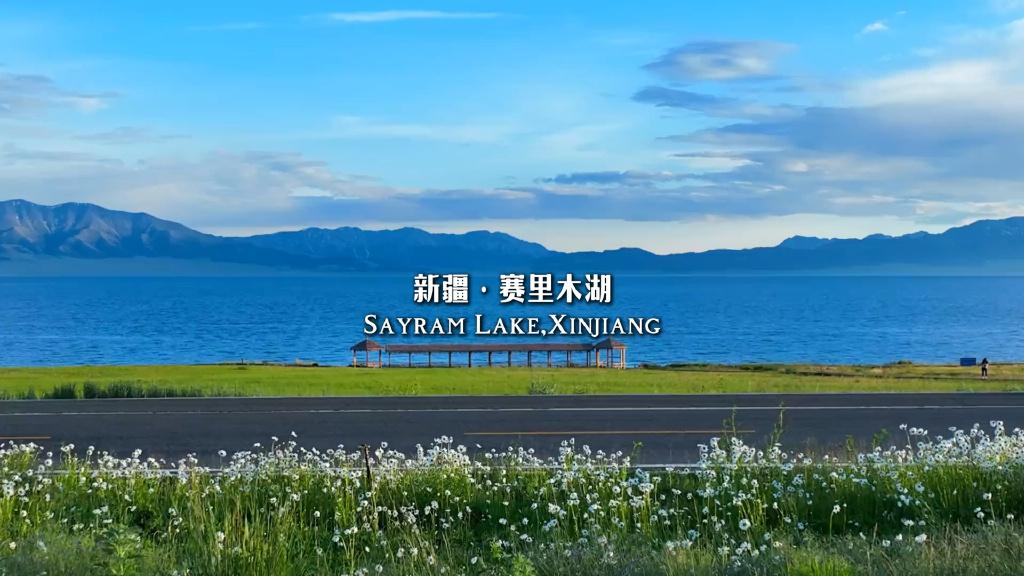
Winter (November-March): The zone stays open but the atmosphere is bleak, with temperatures well below freezing and shortened hours at some counters. Only worth it if you are already in Yining for other reasons. The road from Sayram Lake can be icy; if your route comes over the mountains past the lake, check conditions first. My Sayram Lake Travel Guide has the seasonal road details, since most travelers string the lake and Khorgos together on the same westward run.
Where to Stay
Budget (100-160 RMB): Khorgos has a cluster of plain business hotels near the bus station and the zone entrance. Clean rooms, thin walls, hot water that works. Chains like Jun Yi and local guesthouses fall in this range. Fine for one night.
Mid-range (200-350 RMB): The newer business hotels built after the 2014 city upgrade sit in this bracket, with proper beds, breakfast included, and staff used to registering foreign passports. This is the sweet spot if you want to enter the zone at opening time before the tour buses arrive.
Upper (400-600 RMB): One or two four-star properties serve the trade-delegation crowd. Comfortable but not memorable. Honestly, if you want a genuinely good hotel, sleep in Yining and day-trip to Khorgos; the difference in food alone justifies the 90 minutes.
Food
Khorgos eats like a border town, which is a compliment. Inside the cooperation zone, Kazakh counters sell plov (rice pilaf with lamb and carrot) for 25-35 RMB a plate, weighed portions of horse sausage, and rounds of Kazakh bread for a few RMB. The kvass, a lightly fermented bread drink, costs 6-10 RMB a bottle and is exactly what you want in the summer heat. In town, the standard Xinjiang lineup applies: lagman noodles for 20-28 RMB, lamb skewers at 5-10 RMB each depending on size, and big plate chicken at 88-128 RMB for a portion that feeds three. One specific recommendation from my last trip: the row of Uyghur and Hui restaurants two streets north of the bus station serves better laghman than anything inside the zone, at lower prices. Kazakh chocolate brands like Rakhat, sold by the kilo in the duty-free halls, make the standard souvenir; I paid 30-40 RMB per 500 g depending on the variety, roughly half the price the same bars fetch online.
Practical Tips
- Bring your passport. Not your ID card, not a photo of your passport. The physical document is checked at the zone entrance for every visitor, Chinese and foreign alike. This is the single most common mistake.
- Foreign passport holders: verify current entry rules locally. Access policies for the cooperation zone have changed several times over the years. Most recently foreigners could enter with a passport, but confirm at your hotel or the visitor desk the day before.
- Arrive at opening time. The zone opens in the morning (typically around 10 a.m. Xinjiang time in practice; hours shift seasonally). The first hour is quiet; by noon the tour groups own the aisles.
- Duty-free allowance is real. The tax-free purchase limit has generally been 8,000 RMB per person per day. Receipts are checked on exit. Do not carry purchases for strangers.
- Cash and mobile pay both work, but some Kazakh counters prefer cash for small items. Carry a few hundred RMB in notes.
- The electric shuttle inside the zone costs around 15 RMB and is worth it in summer; the site is bigger than it looks on the map.
- Expect checkpoints. This is a border area. Police checks on the highway and at the zone are routine and quick if your documents are in order.
- Do not photograph the freight port or military installations. The tourist areas, gates, and shopping halls are all fine to shoot.
Sample Itinerary
08:00 – Leave Yining by bus or hired car after breakfast.
10:00 – Arrive Khorgos, enter the cooperation zone at opening. Do your duty-free browsing first while the halls are quiet.
12:00 – Lunch at a Kazakh plov counter inside the zone, or exit and eat in town.
13:30 – Visit the National Gate area and the fifth-generation gate monument. Allow 60-90 minutes including the exhibits.
15:30 – Optional: drive 30-40 minutes northeast to the Huocheng lavender fields (June-early July only) or start back toward Yining.
18:00 – Back in Yining in time for dinner at the night market.
If you are building a longer route, Khorgos slots naturally into a west-Ili loop with Sayram Lake and Huocheng, and the whole cluster deserves two full days in any serious Xinjiang itinerary. For more destination write-ups across the region, browse the Xinjiang attractions archive, or start with a broader Xinjiang travel guide if this is your first trip to the region.
FAQ
Q: Do I need a visa or permit to visit the Khorgos cooperation zone?
A: No visa is needed because you never legally leave China. You need your physical passport for entry. Foreign visitors should confirm the current access policy locally, as it has changed before.
Q: Can I cross into Kazakhstan at Khorgos?
A: Yes, Khorgos is a full international crossing, but that is a separate process at the passenger port requiring a Kazakh visa or visa-free eligibility for your nationality. The cooperation zone visit and an actual border crossing are two different things.
Q: Is Khorgos worth visiting if I do not care about shopping?
A: Cautiously, yes. The gate history, the border atmosphere, and the Kazakh food counters carry the visit. But keep expectations in check: this is a trade zone, not a landscape. Half a day is enough.
Q: What is the best time to visit Khorgos Border Port?
A: September for weather and crowds, or late June if you want to pair it with the Huocheng lavender bloom. Avoid July heat and the October 1 holiday week.
Q: How long does the whole visit take?
A: Three to five hours covers the zone and the gate area comfortably. With transport from Yining, it is a full day trip.
Disclaimer
Prices, opening hours, duty-free allowances, and entry policies at border facilities change frequently and sometimes without notice. All figures in this article reflect my own visits and research at the time of writing and are estimates, not guarantees. Border-area rules for foreign passport holders in particular can shift quickly. Always verify current conditions with official sources, your hotel, or local authorities before traveling.