

Published: 2026-07-25 | Author: Karl Huang
The first time I planned a proper Xinjiang Food Guide Itinerary was for a group of six food writers who landed in Urumqi in September 2019. I had three days in the north and four in the south, a 9-seat van, and one rule: we would eat only where locals ate. That trip taught me more about route planning than any map I had studied. A good eating route in Xinjiang is not about ticking famous restaurants. It is about timing the markets, matching each dish to the town that does it best, and leaving room for the stall you did not expect to love.
Quick Reference
| Item | Detail |
|---|---|
| Route length | 7 days, about 1,800 km by road |
| Base cities | Urumqi, Turpan, Kashgar |
| Food budget | ¥180 to ¥320 per person per day |
| Best time | September to October |
| Role of this plan | Eating-focused day-by-day loop |
Why I Built This Route
I have eaten across Xinjiang in every season since 2016. The problem most travelers hit is simple. They read a list of dishes, then try to find them in whatever city they happen to be standing in. Xinjiang does not work that way. The hand-pulled noodles taste different in Turpan because the wheat and the water are different. The lamb in Kashgar carries the smell of the charcoal and the apricot wood locals favor. When people ask for the single Xinjiang Food Guide Xinjiang edition they can actually follow on the road, this is the plan I hand them.
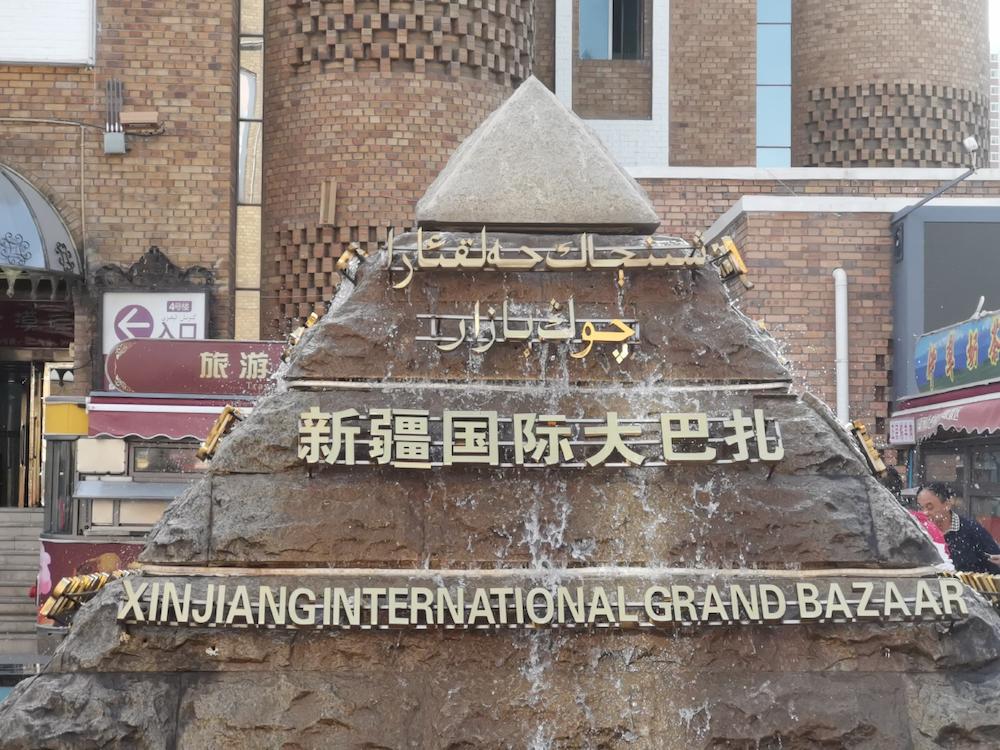
The Xinjiang Food Guide Itinerary below is the version I now give to clients who tell me they came for the landscape but stayed for the food. I keep it to three cities on purpose. Add a fourth and the driving starts to eat the eating. On that 2019 trip I made a mistake that shaped everything after it. I booked the group into a hotel near Urumqi’s international bazaar and assumed we would graze our way through the stalls. What I forgot was the clock. The morning market peaked at 8:30 and was gone by 10. We arrived at 11 and found folded tarps and swept concrete. The lesson stuck: an eating itinerary lives or dies on schedule, not on restaurant names.
A second memory sealed the format. In October 2021 I stood at the Kashgar night market with a friend who had flown in from Guangzhou. We ordered shashlik, then more shashlik, then polo, and by midnight we had spent ¥86 total and eaten better than at any restaurant on his list. He asked why the guidebooks never said the night market was the meal. They never do, because the good stuff is timed and local, not listed. That night is exactly why this Xinjiang Food Guide Itinerary ends in Kashgar instead of starting there.
How to Get There
Most travelers start from Urumqi, the regional hub. Flights from Beijing run about 4 hours and cost ¥1,400 to ¥2,200 one way depending on season. From Xi’an the train takes roughly 13 hours on the high-speed line; a soft sleeper berth runs ¥620. If you are already in Kazakhstan, the international train from Almaty reaches Urumqi in about 24 hours and saves you a flight connection.
From Urumqi you move south. Turpan sits 180 km away and the bus takes 2.5 hours for ¥45. Kashgar is far, roughly 1,450 km, so most people fly (1.5 hours, ¥480 to ¥900) or take the overnight train (about 22 hours, ¥330 hard sleeper). Border regions near Kashgar fall under permit rules, so check the Xinjiang Visa and Permit Guide before you build the southern leg. I learned this the hard way in 2018 when a driver and I were turned back at a checkpoint outside Tashkurgan because my permit window had lapsed by one day.
Best Time to Visit
Spring (April to May) is mild but the fruit is not yet in. Markets feel thin and many roadside stands stay closed. Summer (June to August) brings the longest daylight and the fullest markets, yet Turpan regularly hits 40°C and lunch service slows to a crawl in the afternoon heat.
Autumn (September to October) is the window I recommend. The grapes come in around Turpan in early September. Kashgar’s Sunday livestock market runs at full energy. The light is soft and the roads are clear. Winter (November to March) is quiet and cheap, and the laghman tastes great in a cold dining room, but several mountain passes close and some guesthouses shut.
My clear recommendation: plan the Xinjiang Food Guide Itinerary for the last two weeks of September. You catch the grape harvest, avoid the National Day crowds that flood the north in early October, and still get warm enough days to eat outside. Each stop on the route earns its place because of one dish done better there than anywhere else nearby.
Where to Stay
Budget travelers do well in Urumqi’s Hongshan area, where clean hostels and basic hotels run ¥120 to ¥180 a night. In Kashgar, the old city guesthouses start at ¥140 and put you steps from the morning bread ovens.
Mid-range picks sit around ¥300 to ¥480. In Urumqi I send people to the blocks near the museum, which keeps them close to both the bazaar and the rail station. Turpan has solid mid hotels near the Gaochang ruins road for ¥260.
Upper-end stays run ¥600 to ¥1,100. Kashgar has a restored courtyard hotel inside the old city that books out weeks ahead in autumn, and Urumqi’s lakefront towers offer good base camps if you drive out to Tianchi the next morning. Wherever you sleep, ask the front desk where they eat. The answer is almost always better than the concierge’s printed list.
Food
This is the core of the plan, so I will be specific. In Urumqi, start with samsa, the baked meat pastry, at ¥6 to ¥10 each from the tandoor stalls near the bazaar. Laghman (hand-pulled noodles with stir-fried toppings) runs ¥22 to ¥38 a bowl. Da pan ji, the big-plate chicken with belt noodles, feeds two for ¥68 to ¥98.
In Turpan, the seedless grapes sell at ¥6 to ¥12 a kilo in September. Zhua fan (oven rice with lamb and carrot) costs ¥25 to ¥40. The local raisin bread from the mud brick ovens is ¥3 a loaf and gone by noon. Kashgar is the peak: kunefe-style cheeses, shashlik skewers at ¥3 to ¥6 each across the night market, and polo (Xinjiang pilaf) at ¥20 to ¥35. My longer Xinjiang Food Guide Guide breaks each dish down city by city and lists the exact stalls I return to when I am in town.
One price note that saves arguments: in the old city, skewer counts and plate sizes vary by stall. Agree on the price before you sit, and carry small bills. I once watched a group of four get a ¥40 bill turned into ¥120 because nobody checked the per-skewer rate first. Eat where the trays turn over fast and the crowd is local, and the math will be in your favor. The Xinjiang Food Guide Itinerary rewards travelers who slow down and let the market set the pace.
Practical Tips
- Eat early. Morning markets clear by 10, so be at the stalls by 8:30 with cash in hand.
- Match the dish to the town. Do not hunt for great laghman in Kashgar or great polo in Urumqi; each city owns its specialty.
- Carry small cash. Stalls and older guesthouses often refuse cards and large notes.
- Learn three words: nang (bread), gox (meat), and suv (water). They open more doors than a phrasebook.
- If you drive the route yourself, read the Xinjiang Self-Driving Guide first. The south involves long empty stretches with no food for 100 km, and the clock that runs this Xinjiang Food Guide Itinerary does not forgive empty tanks.
- Ask locals where they eat, then follow them. The best meal of my 2019 trip was a ¥15 noodle bowl a taxi driver insisted we try.
Sample Itinerary: The Xinjiang Food Guide Itinerary Day by Day
This is the day-by-day shape I use. It strings the dishes above into a real loop that respects market hours.
Day 1, Urumqi. Land, drop bags, and walk the bazaar for samsa and laghman. Dinner is da pan ji near the museum blocks.
Day 2, Urumqi to Tianchi. Morning drive to the lake, back for noon noodles, then an evening food crawl along Hongshan.
Day 3, Urumqi to Turpan. Bus down, arrive for lunch, spend the afternoon at the grape stands and the karez system, dinner on zhua fan.
Day 4, Turpan. Jiaohe ruins at opening, then the raisin bread ovens and a slow afternoon. The broader Xinjiang Food Guide guide I wrote covers the Turpan market timing in detail.
Day 5, Turpan to Kashgar (fly). Long travel day. Land, walk the old city, and graze the night market skewers.
Day 6, Kashgar. Sunday livestock market if your dates line up, then polo and the courtyard teahouses.
Day 7, Kashgar. Id Kah square at dawn for fresh nang, last stalls, and the flight or train north.
FAQ
Is 7 days enough for a food-focused Xinjiang trip? It is enough to taste the three anchors: Urumqi, Turpan, and Kashgar. If you want the north’s lake towns too, add three days and start from the Xinjiang Food Guide Guide plan instead, which adds Kanas and the Altai fringe. For the stall-level detail by city, see the Xinjiang Food Tour Guide.
How much should I budget for food? Plan ¥180 to ¥320 per person per day including snacks and one bigger meal. Drinks, alcohol, and hotel breakfasts are extra.
Can I do this as a vegetarian? Partly. Nang, laghman (ask for vegetable topping), raisin bread, and grape-based dishes are safe. Strict vegetarians should expect limited hot options outside Urumqi and will miss the lamb-centric south.
Do I need a permit for this route? The base loop does not. Day trips toward Tashkurgan or the Khunjerab side require a border permit, covered in the Xinjiang Visa and Permit Guide.
When are the markets best? Mornings, always. The 8:30 to 10 window beats any afternoon visit, and Sunday in Kashgar is the standout.
Is it safe to eat from street stalls? Yes, if you watch the turnover. Busy stalls with fresh trays are safer than quiet ones with food sitting out. I have eaten from Urumqi to Kashgar for eight seasons without a serious issue.
Disclaimer
This Xinjiang Food Guide Itinerary is the plan I would hand my own family, and the one I keep refining each autumn as prices and schedules shift. Prices, permits, market hours, and train or flight timings change from year to year. The figures above reflect my own trips between 2016 and 2025 and are shared as planning ranges, not guarantees. Always confirm current costs and entry rules with official sources and your hotel before you travel. This article is practical guidance based on first-hand experience, not a substitute for checking live conditions on the ground.