

Published: 2026-07-24 | Author: Karl Huang
The Best Time for Xinjiang Photography Guide is the question I hear most from readers who want more than a holiday snapshot. I’m Karl Huang, and I have spent eight seasons carrying a camera across this region. In October 2022 I paid 95 RMB for the Kanas buffer-zone shuttle and was on the boardwalk by 7:40 a.m., well before the tour buses reached the viewpoint. That single hour gave me the cleanest lake reflection of the year. Timing, not gear, is what separates a strong Xinjiang photo from a forgettable one.
Quick Reference
| Location | Entry Fee | Best Time | Elevation (m) |
|---|---|---|---|
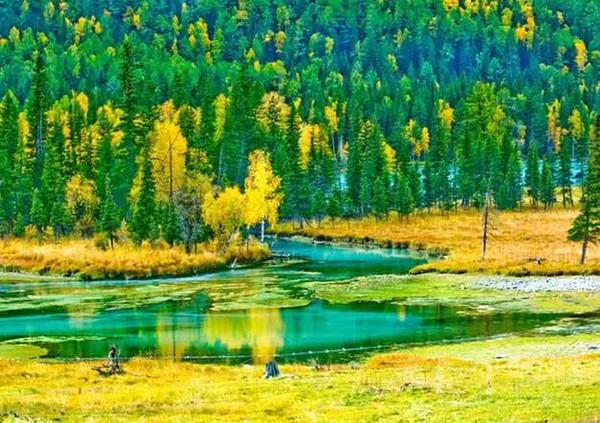
| Kanas Lake | 230 RMB (peak) | late Sep to early Oct | 1,370 |
| Sayram Lake | 70 RMB | Jun to Jul | 2,073 |
| Duku Highway | free (fuel only) | Jun to Sep | up to 3,400 |
| Taklamakan fringe | 40 RMB (desert park) | Oct to Nov | 900 |
| Pamir Plateau | permit required | May to Jun, Sep | 3,200+ |
My own rule is simple. I plan each trip around one or two anchor locations and shape the rest of the route to fit the light. The Xinjiang Photography Guide I wrote earlier covers gear and composition. This piece is about the calendar: when the weather, the crowds, and the color all line up.
Why I Keep a Photography Calendar for Xinjiang
Xinjiang is huge and the seasons do not move together. In early May the apricot blossoms open around Toksun while the passes near Kuqa are still closed under snow. I learned this the hard way in 2021 when I drove south expecting green grasslands and found grey mud instead. Since then I have kept a dated log of every trip, noting the hour of first light, the road conditions, and what was actually in bloom.
That log is the backbone of this Best Time for Xinjiang Photography Guide. I am not guessing from a climate chart. I am telling you what I saw on the ground, and when.
How to Get There
Most photographers fly into Urumqi Diwopu International Airport. A one-way economy ticket from Shanghai Pudong in shoulder season cost me 1,480 RMB in 2023. From Beijing the same flight ran about 1,950 RMB. Once you land, the practical choice is to rent a car or hire a driver, because the best light is almost always outside the city.
If you would rather not drive, the Xinjiang Self-Driving Guide explains the permit and road rules in detail. I usually recommend a driver for solo photographers: it lets you shoot from the moving car and sleep while someone else handles the long desert highways.
Trains are an option too. The ride from Urumqi to Kashgar takes roughly 24 hours on the slower service and costs from 450 RMB for a hard sleeper. I have taken it twice to save money and used the window time to scout compositions for the return flight.
Best Time to Visit: the Best Time for Xinjiang Photography Guide
I will walk through the year season by season. When you study the best time to visit Xinjiang Photography Guide sites, altitude matters more than the month printed on a flyer.
Spring (April to early May). The south warms first. Apricot orchards around Toksun and the Turpan area bloom in mid April, and the light is soft and low. Prices are low and crowds are thin. The downside is that high passes stay closed, so your range is limited to the northern Tarim edge and the Turpan basin.
Summer (June to August). This is the safe, full-access window. Sayram Lake turns electric blue in June and the grasslands of Nalati and Bayinbuluke are at their greenest by July. The trade-off is heat in the basins (Turpan hit 43°C on my July 2023 visit) and domestic tourist crowds at the headline sites. Start at 5:30 a.m. to beat both.
Autumn (September to early October). My favorite. The Kanas and Hemu forests turn gold between late September and the first week of October, and the air is crisp and clear. This is the window most serious landscape shooters target. Hotel rates in Burqin climb to around 600 RMB a night for a mid-range room, up from 280 RMB in spring.
Winter (November to March). Harsh but rewarding. The powder-covered roofs of Hemu are real, and you will have whole valleys to yourself. Roads can close without notice, and many guesthouses shut for the season. I only suggest winter to photographers with cold-weather experience and a parked, winterized vehicle.
My clear recommendation. If you can take one trip, target the last week of September through the first week of October. You get the Kanas gold, still-open passes, and manageable weather. For wildflowers and blue lakes, June is the better call. The autumn window is the Best Time for Xinjiang Photography Guide I return to every year, and it is the one I put new clients on first.
For anyone building a Xinjiang Photography Guide Xinjiang travelers can follow across seasons, the lesson is altitude first, calendar second. Higher ground changes color a month or two after the basins, and that lag is your friend for staggered shooting.
Where to Stay
Budget. Hostels and basic guesthouses in county towns run 120 to 200 RMB a night. In Burqin I stayed at a family-run spot for 150 RMB with a shared bath and a rooftop that caught the morning sun perfectly.
Mid-range. Clean business hotels in Urumqi, Kashgar, and Yining cost 300 to 500 RMB. The Qiniwuca Hotel in Kashgar (around 420 RMB) put me ten minutes from the old city gates, which open for photography at first light.
Upper. New international brands in Urumqi and resort lodges near Sayram Lake charge 800 to 1,400 RMB. I booked a lake-side cabin at Sayram for 1,100 RMB in June and shot the sunrise from my window. Worth it for one night, not for a whole trip.
Food
Food is part of the story, and the markets make great frames. A plate of laghman noodles in a Urumqi night market cost me 18 RMB. Samsa, the baked meat pastry, runs 6 to 10 RMB each from a street oven. In Kashgar the Sunday livestock market has fresh naan at 3 RMB and whole grilled mutton skewers at 8 RMB a stick.
For a sit-down meal, a standard hand-pilaf (yellow rice with mutton) is 35 to 45 RMB. I keep my camera ready at the Urumqi International Grand Bazaar food hall because the steam and the tilework photograph well in the late afternoon.
Practical Tips
- Carry two batteries per cold day. Sub-zero mornings in Kanas drained mine in under an hour, and spares saved the sunrise.
- Shoot the golden hours. First light in September starts near 7:20 a.m. and the evening glow holds until 8:30 p.m., so plan around those windows, not midday.
- Bring a permit plan for the south. The Xinjiang Visa and Permit Guide lists what foreign visitors need for the Pamir and border zones.
- Protect against dust. The Taklamakan wind carries fine sand that ruined a lens cap of mine in 2022. A simple UV filter and a microfibre cloth are enough.
- Book autumn lodging early. Kanas-area rooms sell out by late August, and walk-up prices double.
Sample Itinerary
A clean 10-day plan built around the autumn window:
Day 1. Fly into Urumqi, pick up the rental, shoot the bazaar at dusk.
Day 2. Drive to Sayram Lake via the Duku Highway, arrive for the blue-hour reflection.
Day 3. Morning lake shots, then on to Yining for apricot and grassland scouting.
Day 4. Nalati Grassland at first light, afternoon drive toward Kuqa.
Day 5. Kuqa Grand Canyon, late-afternoon side light on the red walls.
Day 6. Long drive north to Burqin, rest and charge batteries.
Day 7. Kanas Lake boardwalk at 7 a.m., mist over the water.
Day 8. Hemu Village sunrise from the wooden platform.
Day 9. Back to Urumqi via the northern route, last-market frames.
Day 10. Fly out, cards full.
If you want the day-by-day driving detail, the Xinjiang Photography Guide Itinerary breaks the same route into camp spots and fuel stops. That plan is the Best Time for Xinjiang Photography Guide companion I hand to drivers who want the full map.
FAQ
What is the single best month for Xinjiang photography?
Late September to early October. The Kanas gold plus open roads make it the most reliable window for landscape work.
Is summer worth it for photographers?
Yes, especially for wildflowers, blue lakes, and full access. You just need early starts to dodge crowds and basin heat.
Do I need a permit to shoot in Xinjiang?
For most public sites, no. Border and Pamir areas require a permit, and the rules differ for foreign visitors, so check before you go south.
Can I photograph people in the markets?
Ask first. Most vendors in Kashgar and Urumqi are happy for a shot if you buy something or show the screen, but always respect a no.
How cold does it get at sunrise in autumn?
Near Kanas in early October, around minus 3 to plus 4 Celsius at 7 a.m. Pack a wind layer and keep batteries warm.
Disclaimer
Prices, permits, opening dates, and road conditions change. The figures above reflect my own trips between 2021 and 2024 and are shared as a planning baseline, not a guarantee. Always confirm entry fees, border permits, and weather with official sources and your accommodation before you travel.