

Published: 2026-07-24 | Author: Karl Huang
In 2023 I ran my first dedicated Xinjiang Photography Guide Itinerary for a small group of five. We landed in Urumqi on a Tuesday, rented a 4WD for 680 CNY a day, and chased light from the Kanas forests in the north all the way to the Pamir Plateau in the south. I still set the alarm for 4:50 a.m. in Hemu village so we could catch the thin smoke rising from the wooden cabins against the first light on the ridge. That single trip taught me more about timing than any workshop I had taken before.
This is the route I now hand to readers who ask how to photograph Xinjiang without wasting a single golden hour. It is built around real shoot windows, not tourist checklists. Every stop below earns its place because the light, the terrain, or the access actually works at a specific time of day. I have re-run the loop three times, each in a different season, and the version here is the one I trust.
Quick Reference
| Location | Entry Fee (CNY) | Best Shoot Window | Role on the Route |
|---|---|---|---|
| Kanas Lake | 230 plus 100 shuttle | 07:00 to 09:30 | Opens the northern forest leg |
| Hemu Village | Included with Kanas ticket | 05:30 to 07:30 | Dawn smoke and cabins |
| Duku Highway | Free | 17:00 to 20:00 | Mountain switchbacks |
| Panlong Ancient Road | Free | 18:30 to 20:30 | Switchback patterns from above |
| Pamir Plateau (Karabulak) | Permit free; 50 scenic | 19:00 to 21:00 | Closes the southern leg |
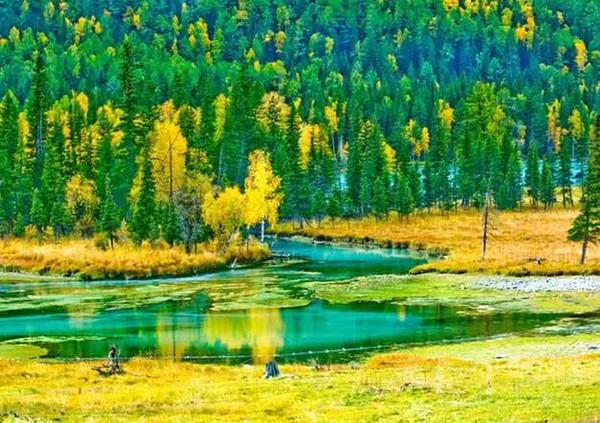
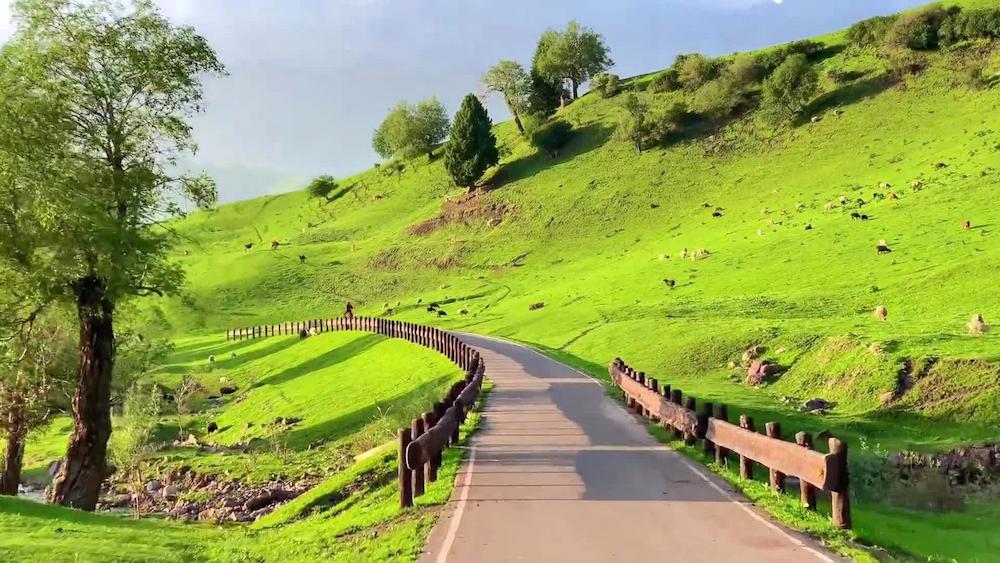
The first time I drove the Duku Highway I left too late. We hit the switchbacks at noon and the light was flat, the sky blown out, and the famous hairpins looked like ordinary road. Two years later I returned and started the descent at 17:00. The western wall caught warm side light, the valleys dropped into shadow, and I finally understood why people call this one of the great mountain drives. Timing is the whole game here.
How to Get There
Most photographers fly into Urumqi first. Direct flights run from Beijing in about 4 hours, from Shanghai in roughly 5 hours, and from Guangzhou in around 5 hours 30 minutes. From Urumqi Diwopu airport we took a short hop to Burqin (1 hour 10 minutes, about 480 CNY) and then drove 3.5 hours north to Kanas. That saved us a full day of fatigue before the first dawn shoot.
If you prefer to drive the whole way, the distance from Urumqi to Kanas is close to 800 km and takes about 10 hours with stops. My Xinjiang Self-Driving Guide carries the full road notes, fuel stops, and where the police checkpoints sit along the way.
For the southern Pamir leg, fly Urumqi to Kashgar (2 hours, about 900 CNY) and drive 4 hours southwest to Tashkurgan. The karakoram stretch between Kashgar and the plateau is where the big mountain backdrops begin, so keep a camera within reach even from the car window.
Best Time to Visit
Spring, from April to May, brings melting snow and muddy access roads. The north is quiet but the larches are still bare, and many forest boardwalks stay closed. I would not plan a photo-first trip for this window.
Summer, June through August, is when the north turns green and the Duku Highway is open. The downside is haze, afternoon thunderstorms, and the heaviest crowds of the year. You can still shoot well, but you will fight for tripod space at the popular platforms.
Autumn, late September to early October, is the clear winner. The larches around Kanas go gold, the air turns dry and clear, and the sun stays low enough to rake across the ridges. I ran this Xinjiang Photography Guide window in 2024, and the larch color near Kanas peaked on October 3. The Pamir light is also at its cleanest then.
I time this Xinjiang Photography Guide Itinerary for the first week of October for exactly that reason. The Xinjiang Photography Guide Xinjiang archive also holds the spring melt dates if you want the quiet window instead of the color.
Winter, November to March, closes the Duku Highway and buries the north in snow. It is harsh and beautiful, with almost no people, but the access limits make it a specialist trip rather than a first run.
My recommendation is firm: go in the last week of September through the first week of October. You get color, clear skies, and open roads in one package.
Where to Stay
Budget travelers should look at the guesthouses in Hemu and the family-run inns near the Kanas gate. In 2023 we paid 220 CNY a night for a wood cabin in Hemu that put us a 10-minute walk from the sunrise viewpoint. Book early, because autumn fills fast. On the Xinjiang Photography Guide Itinerary, the north lodges sell out first, so I lock the Hemu cabin before I book the flights.
Mid-range options include the resort lodges inside the Kanas scenic zone, which run about 500 to 700 CNY a night and save you the morning shuttle queue. On the southern leg, the standard hotels in Tashkurgan cost 350 to 500 CNY and put you close to the Pamir dawn drive.
Upper-end stays are the business hotels in Urumqi before and after the trip, plus the occasional plateau viewpoint lodge near Karakul Lake at 900 to 1,400 CNY. The plateau lodge is worth it once, because you can step outside at 20:00 and frame Muztagh Ata in alpenglow without a long drive.
Food
Xinjiang food is built for long driving days. A bowl of laghman hand-pulled noodles costs about 25 CNY and keeps you going through a mountain pass. Samsa, the baked meat pastries, run 8 CNY each from the roadside ovens. Grilled mutton skewers are 5 CNY a stick, and a fresh naan is 4 CNY. For lens choices, the Xinjiang Photography Guide guide section covers my full filter setup. During the Xinjiang Photography Guide Itinerary, the roadside ovens matter more than any restaurant, because the best shoots start before the kitchens open.
In the north, the Kazakh dastarkhan spreads include polu (hand-pulled rice with carrot and lamb) at around 35 CNY a plate. In Kashgar, the night market plate of grilled meat, bread, and salad runs 40 to 60 CNY. Carry small bills; many of the best ovens do not take cards, and the signal drops outside the cities.
One habit I keep: buy extra water and a few flatbreads the night before a dawn shoot. The villages wake late, and there is nothing open at 5:00 a.m. when you need to move.
Practical Tips
- Get your border permit for the Pamirs before you leave Kashgar. The process is free but takes half a morning, and my Xinjiang Visa and Permit Guide lists the exact office and the documents you need.
- Pack a variable ND filter and a sturdy tripod. The plateau wind at 19:00 will move a light setup, and long exposures of the switchbacks need weight.
- Start every dawn shoot 40 minutes before sunrise. The best color in Hemu and on the Pamir often lands before the sun clears the ridge.
- Back up your cards every night. I carry two portable drives and copy twice. On the 2023 trip a reader lost a card on the Duku descent; the morning was gone.
- Watch the altitude. Tashkurgan sits above 3,000 meters. Move slowly on the first day and keep water close.
- Dress in layers even in autumn. The temperature swing from a 06:00 shoot to a 20:00 shoot can be 20 degrees Celsius.
Sample Itinerary: The Xinjiang Photography Guide Itinerary Day by Day
This Xinjiang Photography Guide Itinerary is built so each day ends close to the next morning’s shoot. Here is the day-by-day shape I send to first-timers.
Day 1. Fly into Urumqi. Shoot the evening light on the International Grand Bazaar and rest. Hotel night in Urumqi.
Day 2. Morning flight to Burqin. Afternoon drive to Kanas. Set up at the lake for the 19:00 side light on the water.
Day 3. Dawn at Hemu (05:30). Cabin smoke and ridge light. Midday rest, then Kanas boardwalk at 17:00 for the returning warm light.
Day 4. Drive the northern loop to Baihaba. Wooden fort and border valley at 18:00.
Day 5. Long drive south toward Urumqi, or fly back. Rest and card backup.
Day 6. Fly to Kashgar. Evening old-city lanes and the Id Kah Mosque front square at 20:00.
Day 7. Drive Kashgar to Tashkurgan. Stop at the White Sand Lake at 17:00 and Karakul Lake at 19:00 with Muztagh Ata behind.
Day 8. Pamir dawn at Panlong Ancient Road (05:30) for the switchback patterns, then the Khunjerab corridor light at 18:30.
Day 9 to 12. Return north. If the season allows, run the Duku Highway on Day 11, starting the descent at 17:00 for the wall light.
Day 13. Buffer day for weather. Autumn storms are rare but real; use this for a reshoot or a rest.
Day 14. Fly out from Urumqi. Sort cards and edit.
This 14-day shape is the one I send to first-timers. If you have less time, cut Days 4 and 13 and tighten the south into a 10-day run. The point is not to see everything. The point is to be in the right place when the light arrives.
FAQ
Do I need a drone permit for this route?
Yes, in most scenic zones. Kanas and the Pamir areas restrict flight, and you must register the drone with the local police in Kashgar. Fly only where signs allow it, and never near the border fence.
Is late September too cold for camping?
It can drop below freezing at night on the plateau. I do not camp on this route; the lodges are cheap enough and keep your gear safe from condensation. If you want to camp, use a four-season bag rated to minus 10.
Can I run this itinerary by train instead of driving?
Partly. The north has limited rail, and the Pamir leg has none. A train gets you to Urumqi and Kashgar, but the shoot windows in between need a car. My self-driving guide covers the rental details.
What lens should I bring for the switchbacks?
A 24 to 70 covers most of it, and a 70 to 200 helps compress the Pamir peaks. I also carry a 16 to 35 for the cabin interiors in Hemu. Three lenses is enough; more just weighs the bag.
How much should I budget for the two weeks?
For one person, plan 9,000 to 13,000 CNY all in, covering the rental split across the group, fuel, park fees, food, and mid-range rooms. Flying the hops instead of driving the long hauls adds about 1,500 CNY.
Will the Duku Highway be open in early October?
Usually yes, but it closes without warning after the first snow. Build Day 13 as a buffer so a closure does not kill the shoot. Check the road status in Urumqi before you commit to the descent.
Disclaimer
Prices, permits, flight times, and road openings listed above reflect what I paid and saw on specific trips in 2023 and 2024. They change. Park fees move, border-permit rules shift, and the Duku Highway closes for snow on short notice. Always confirm current costs and access with the official Xinjiang tourism channels and the relevant government offices before you travel, and never rely on a blog post alone for permit or border decisions.