

Published: 2026-07-22 | Author: Karl Huang
In the spring of 2019 I stood in the Kashgar Public Security Bureau at 9:40 in the morning with a group of six travelers and a stack of photocopies, trying to build what I now call a Xinjiang Border Travel Permit Itinerary. We had booked a 4×4 for the Karakul Lake road and a guesthouse in Tashkurgan, but nobody had told us the border-pass window closes at noon on Fridays. Three hours and one very patient officer later, we walked out with our permits and a hard lesson about timing. This guide comes from that trip and the forty-plus runs I have planned since.
Xinjiang Border Travel Permit Itinerary: Quick Reference
| Item | Detail |
|---|---|
| Route | Kashgar → Oytagh → Karakul Lake → Tashkurgan → Khunjerab Pass (return same day) |
| Permit required | Border pass (边境通行证) for Chinese travelers; foreign travelers need the pass plus a PSB-issued restricted-area permit, usually arranged through a registered agency |
| Typical agency fee | ¥600–1,200 per person for a 3–5 day guided border package (illustrative; varies by season and group size) |
| Best time | Late May to early October, when roads are clear and the Khunjerab Pass is open |
| Elevation range | 1,290 m in Kashgar to 4,693 m at the Khunjerab Pass |
How the Route Came Together on My First Run
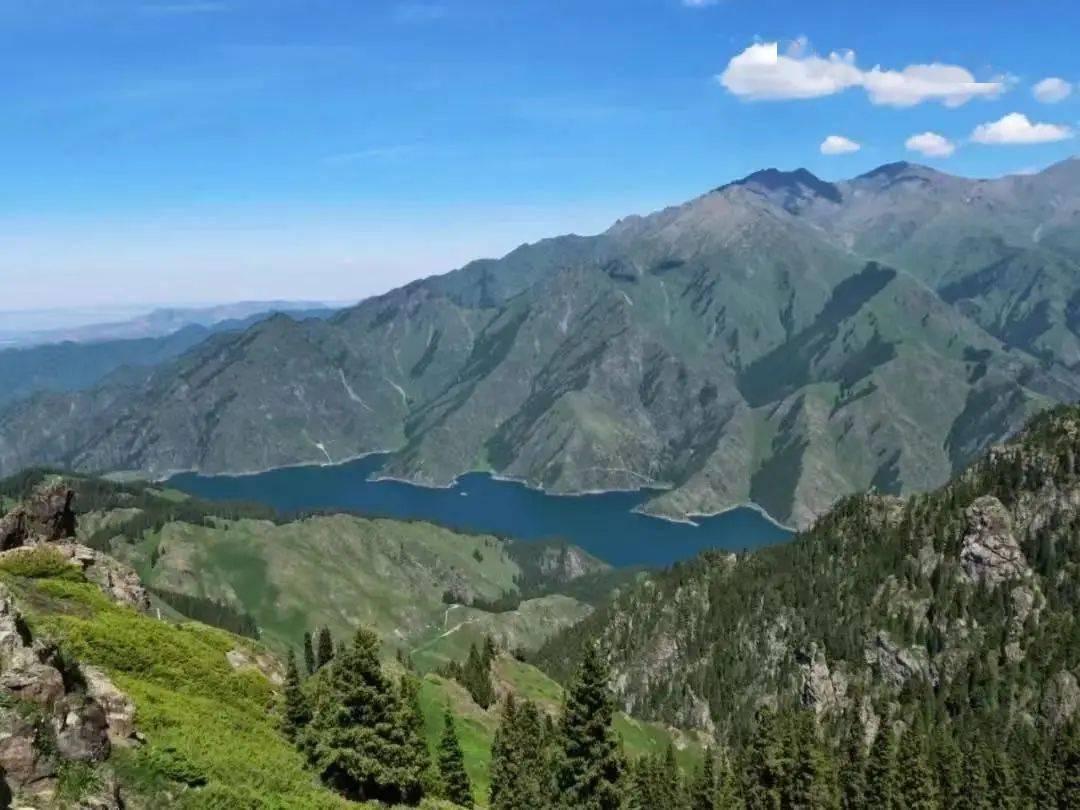
The mistake most people make is treating the permit as a formality. It is the spine of the whole trip. On that 2019 run we left Kashgar at 07:30 in a rented Toyota Land Cruiser that cost ¥1,400 for two days, driver included. The G314 carves south through Oytagh and climbs toward the snow line. By 13:00 we were at Karakul Lake, paying ¥50 per person at the gate and walking the shore while Muztagh Ata threw its reflection across the water.
The second night in Tashkurgan taught me the altitude lesson. The town sits at 3,100 m, and two of my travelers got mild headaches and slept badly. I now build a rest half-day into every Xinjiang Border Travel Permit itinerary so the body adjusts before the push to the pass. A local guesthouse charged us ¥220 for a triple room, and breakfast of flatbread and milk tea ran ¥15 a head.
When a client asks me to design a Xinjiang Border Travel Permit Itinerary, I start from Kashgar and work south in five measured days. The shape below is the one I reuse, not a loose list of towns.
How to Get There
Kashgar is the only practical starting point. Most travelers fly in from Urumqi on a China Southern or Urumqi Air flight that runs about ¥900–1,400 one way depending on the month. The train from Urumqi to Kashgar takes roughly 24 hours on the fast service and costs ¥480–760 for a sleeper. From the Kashgar city center to the border-pass office is a 15-minute taxi ride, around ¥12.
The drive south is the trip itself. Kashgar to Karakul Lake is 190 km and takes about four hours on the G314. Karakul to Tashkurgan is another 160 km, roughly three hours. The final 130 km from Tashkurgan to the Khunjerab Pass takes two hours each way, and you must be back at the checkpoint before it closes in the afternoon. For Chinese citizens, the Xinjiang Border Travel Permit Xinjiang issues at the Kashgar border office is free; the cost comes from transport and guides. Full application details sit in our Xinjiang Border Travel Permit guide, which covers the documents and the office hours.
Best Time to Visit
Spring (May to June) is my favorite window. The snow has lifted from the high passes, the apricot trees around Tashkurgan are in bloom, and the Karakul shoreline is quiet. Daytime highs reach 18–22°C at the lake, though mornings drop near freezing.
Summer (July to August) is the safest for road conditions but the busiest. The Khunjerab Pass is open and the grasslands are green, yet hotel prices in Tashkurgan climb to ¥320–450 a room. Expect more tour buses at Karakul Lake.
Autumn (September to early October) gives the clearest skies and the best light on Muztagh Ata. This is the season I recommend for photographers. After mid-October the pass can close without notice when the first snow arrives.
Winter (November to April) is not viable for this route. The Khunjerab Pass shuts, and several guesthouses in Tashkurgan close. I only run this itinerary from late May onward.
My clear recommendation: plan your Xinjiang Border Travel Permit itinerary for the last two weeks of September. You get stable weather, open borders, and thin crowds.
Where to Stay
Budget travelers can take a yurt or tent at Karakul Lake for ¥120–180 per night, run by the Kyrgyz herders who graze there in summer. In Tashkurgan, a basic hostel-style room runs ¥150–200.
Mid-range picks include the standard hotels near the Tashkurgan county center at ¥280–400 a night, with hot water and heating that actually works at altitude. In Kashgar, the old-city guesthouses start around ¥260.
Upper-end options are limited on this route. The best comfortable stop is a four-star hotel in Kashgar at ¥600–900 the night before you leave, so you start the drive rested. On the mountain leg, comfort is basic by design. For a wider list of gateway towns across the region, our Xinjiang visa and permit guide maps the main stops.
Food
Kashgar sets the bar. At the Sunday bazaar a plate of mutton skewers (kawap) costs ¥3–5 per stick, and a full nan flatbread is ¥2–4. A hand-pulled laghman noodle bowl in the old city runs ¥18–28.
On the road, the Karakul yurt camps serve simple mutton soup and flatbread for ¥30–45 a meal. In Tashkurgan, the Tajik-owned cafes sell milk tea at ¥8 a cup and a hearty pilaf (zhuafan) for ¥25–35. I once paid ¥40 for a freshwater trout pulled from Karakul and grilled over charcoal; it was the best meal of that 2019 trip.
Bring cash. The ATMs in Tashkurgan are unreliable, and the yurt camps take nothing but notes. I tell every group to carry ¥500–800 in small bills for the mountain leg.
Practical Tips
- Apply for the border pass on a weekday morning. The Kashgar office is busiest right after a holiday and closes for lunch, so arrive before 10:00.
- Foreign travelers must use a registered agency for the restricted-area permit. Book it at least a week ahead through a Kashgar operator; walk-in approval is rare.
- Carry your passport, permit, and a paper copy at all times. Police checkpoints sit at Oytagh and before Tashkurgan, and they check both documents.
- Pack for altitude. Diamox, a warm layer, and two liters of water per person per day keep the 4,000 m stretch manageable.
- Fill the fuel tank in Kashgar. The last reliable petrol station before the pass is in Tashkurgan, and prices run about ¥7.8 per liter.
- Start the Khunjerab day early. Leave Tashkurgan by 08:00 so you clear the checkpoint and return before the afternoon closure.
Drivers going independently should also read our Xinjiang self-driving guide for the G314 checkpoints and fuel stops.
Sample Itinerary: The Xinjiang Border Travel Permit Itinerary Day by Day
Day 1: Fly or train into Kashgar. Spend the afternoon in the old city and apply for the border pass first thing the next morning. Overnight in Kashgar.
Day 2: Leave Kashgar at 07:30. Stop at Oytagh for the red-rock canyon, reach Karakul Lake by 13:00, walk the shore, overnight in a yurt or the lakeside hotel.
Day 3: Drive to Tashkurgan. Break at White Sand Lake and the Karakul viewpoint, check in to the guesthouse, and rest for altitude. Evening stroll through the small county town.
Day 4: Khunjerab Pass day. Depart 08:00, photograph the Pakistan border marker at 4,693 m, return to Tashkurgan by early afternoon. If the pass is closed, swap in the Panlong Ancient Road switchbacks instead.
Day 5: Drive back to Kashgar, about seven hours with stops, and fly out the next morning. This five-day shape is the one I reuse for most private groups.
If you want the gateway town itself laid out, our Tashkurgan travel guide covers where to sleep, eat, and refuel in the county seat.
FAQ
Do I really need a border permit for Tashkurgan?
Yes. Tashkurgan Tajik Autonomous County sits in a border control zone. Chinese travelers need the 边境通行证, and foreign travelers need that plus a restricted-area permit arranged by an agency.
Can I get the permit on the same day I arrive?
Often yes, if you arrive on a weekday morning and the office is open. I still advise applying the day before your drive so a closed window cannot sink the plan.
How long is the permit valid?
The border pass is typically valid for a few days to a week, enough for the round trip. Confirm the exact window when you apply, because it varies by office.
Is the Khunjerab Pass open all year?
No. It usually opens in late May and can close after mid-October with the first snow. Summer and early autumn are the reliable months.
Can I do this route by public bus?
There is a Kashgar–Tashkurgan shuttle, but it does not reach the Khunjerab Pass. To stand at the border marker you need a private car or a guided package.
What documents does a foreign traveler need besides the permit?
A valid Chinese visa, the border pass, and the PSB restricted-area travel permit obtained through a registered agency. Keep paper copies of all three in the car.
Disclaimer
Prices, permit rules, office hours, and road closures in this article reflect my trips and typical 2019–2025 conditions. They change. Border policies in Xinjiang can shift with little notice, and foreign travelers in particular face restrictions that do not apply to Chinese citizens. Always confirm the current requirements with the Kashgar Public Security Bureau border office or a licensed travel agency before you book. Nothing here is a guarantee of entry, and you act on this information at your own risk.