

Published: 2026-07-21 | Author: Karl Huang
When I first built a South Xinjiang Itinerary Tips sheet for my own trip, I made a basic error: I booked Kashgar hotels for late March, then learned half the Pamir guesthouses stay closed until May. Eight seasons later, the advice below comes from those mistakes and from the groups I now lead along the southern edge of the Taklamakan. South Xinjiang keeps a different rhythm than the north. The drives are longer, the checkpoints more common, and the payoff quieter.
That single rushed stop is also why I wrote the companion South Xinjiang Itinerary Guide, which lays out the full loop day by day. The page you are reading is the shorter, harder-won list of things I wish someone had told me before my first southern run. Read both and you will arrive with fewer surprises.
Quick Reference
| Stop | Location | Fee | Best Time | Role |
|---|---|---|---|---|
| Kashgar Old City | Kashgar, 39.47°N | Free; Id Kah Mosque ¥45 | Apr–Oct | Hub / start point |
| Pamir Plateau (Taxkorgan) | SW border zone | Border permit free | May–Sep | High-mountain leg |
| Taklamakan Desert Highway | North–south crossing | Toll ~¥210 | Apr–May, Sep–Oct | Transit / scenery |
| Kuqa Grand Canyon | Aksu rim | ¥40 | May–Oct | Geology stop |
| Hotan Jade Market | Hotan, 37.1°N | Free entry | Year-round | Culture / shopping |
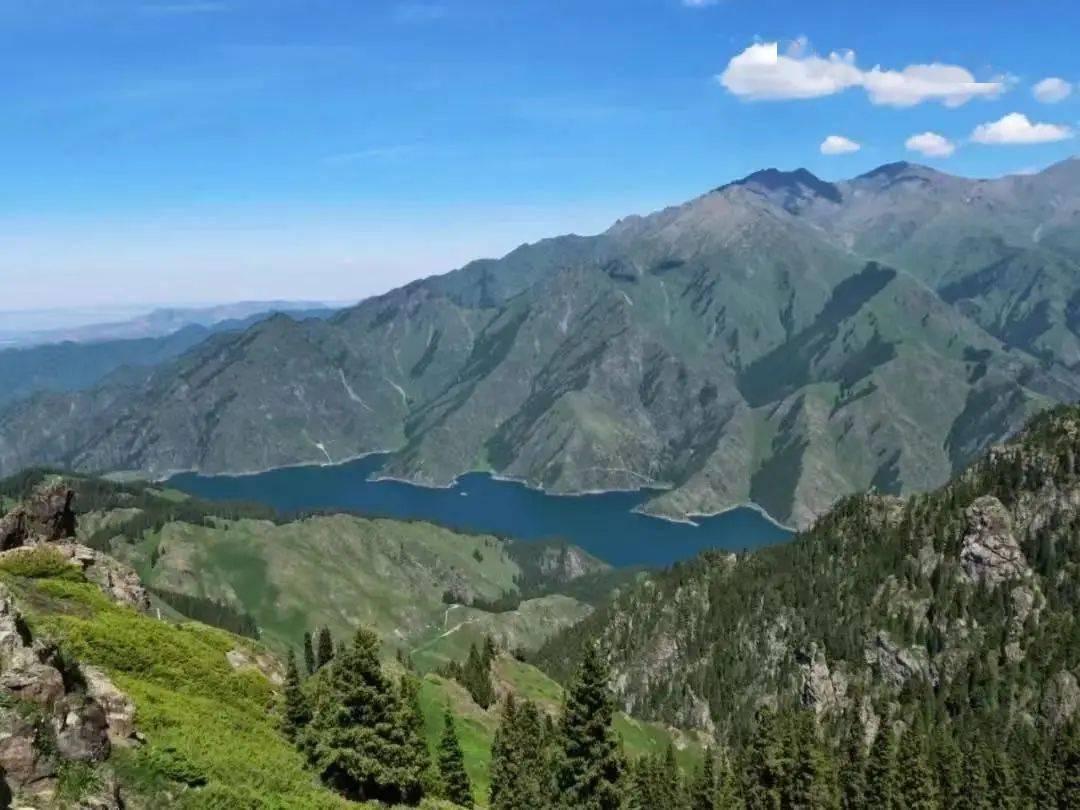
I still remember the afternoon a group of mine reached the Kuqa Grand Canyon at 4:40 p.m., two hours before the gate shut at 6:30. Our driver, a calm man named Ablimit, had told me the light goes flat after five, and he was correct. We walked the red corridors in a hurry and missed the side gorge where the color actually deepens. That stop taught me more about timing than any guidebook, and it set the pattern for every tip that follows. These South Xinjiang Itinerary Tips started with that single mistake.
The truth about south Xinjiang is that it rewards patience. A train from Urumqi to Kashgar takes about 24 hours, and a flight runs closer to two hours with fares from ¥900 in the low season. I have done both, and I now prefer flying in and saving the long rail hours for the scenery legs where the window actually matters. These South Xinjiang Itinerary Tips assume you fly into Kashgar and collect a car there, rather than drive the whole way down. When you land, the old city hits you with sound first: the call from Id Kah, the clatter of the livestock market on Sundays, the hiss of the nan bread ovens.
How to Get There
Most travelers reach the south by air. Kashgar has the main airport (KHG), with direct flights from Urumqi, Xi’an, Chengdu, and a few weekly links from bigger hubs. Off-peak a one-way Urumqi–Kashgar ticket sits around ¥1,100; book six weeks out and it can drop under ¥900. The rail alternative is the 24-hour soft sleeper for roughly ¥680, which I recommend only if you want the journey itself.
If you drive, study the Xinjiang Self-Driving Guide before you commit. The Duku Highway, the famous north–south artery, opens only around mid-June and closes by early October, and it does not reach Kashgar directly. Most self-drivers fly into Kashgar, collect a car there, and loop the south before handing it back. Fuel is cheap but stations thin out past Hotan, so top up whenever the tank drops below half.
From Kashgar you have two directions. West and south take you onto the Pamir and toward Taxkorgan, a restricted border zone that needs a permit. East takes you along the desert highway toward Aksu and Kuqa, where the canyon country opens up. Pick one for a first trip. Trying to do both in under ten days means spending your holiday in the car.
Best Time to Visit
Spring (April–May). The old city warms up and the Pamir passes clear of snow by mid-May. Hotel prices sit low and the crowds have not arrived. This is my favorite window for Kashgar itself, though the high plateau stays cold at night.
Summer (June–August). Everything is open, including the Duku Highway, but Kashgar bakes. Daytime temps run past 35°C and the Sunday market gets packed. Go now only if the Pamir lakes are your priority, and start drives at 7 a.m. to beat the heat.
Autumn (September–October). The safest all-round choice. The desert air turns dry and clear, the poplar forests near Lop Nur and Yarkand go gold, and the Pamir is still open. Expect more travelers than in spring but far fewer than midsummer.
Winter (November–March). Kashgar Old City stays open and feels authentic without tourists, but the Pamir closes and many plateau guesthouses shut. Fares and rooms get cheap. I only send confident independent travelers south in deep winter.
My South Xinjiang Itinerary Tips for timing are short: aim for the last two weeks of September. You get open borders, dry roads, and the poplar color without the worst of the summer crush. Check the Xinjiang Visa and Permit Guide before you fly, because the Taxkorgan border permit is free but must be arranged in Kashgar with your passport in hand.
Where to Stay
Budget. In Kashgar, family guesthouses inside or beside the old city run ¥120–180 a night for a clean double with shared bath. I put younger groups here because the rooftops have the best sunrise views over the mud-brick lanes. Book the Sunday-night stay early, as the livestock market draws a crowd.
Mid-range. Chain hotels a ten-minute walk from Id Kah cost ¥280–420 and give you reliable heat, a real breakfast, and a driver lobby. For the Pamir leg, Taxkorgan has basic but tidy inns at ¥200–300; expect thin walls and no elevator.
Upper. A handful of restored courtyard hotels near the old city charge ¥600–900 and are worth it for the quiet courtyards after a long drive. On the plateau, comfort drops with elevation, so save the splurge for Kashgar and accept simpler rooms up high.
Food
South Xinjiang eating centers on the grill and the grain. A full plate of kawap (lamb skewers) with flatbread runs ¥25–40 at a street stall, and the polo (pilaf with carrot and raisin) at a Kashgar canteen is ¥18–28 and filling. In Hotan, the stuffed samsa from the tandoor costs ¥6–10 each.
Do not skip the naan. The sesame discs from the old-city ovens sell for ¥3–5 and keep for days in a saddlebag, which matters on desert drives. For something sweet, the apricot and walnut qurut candies at the bazaar are ¥10 a bag and make good gifts. I tell every group to eat one proper hand-pulled laghman noodle bowl (¥22–35) at a local joint rather than the hotel buffet, because that is where the region’s flavor lives.
South Xinjiang Itinerary Tips I Wish I Knew Earlier
- Sort the border permit on day one. The Taxkorgan permit is free but only issued in Kashgar with your passport. I once lost a Pamir day because a traveler assumed it could wait.
- Enter canyons before 3 p.m. Light and gate hours both fall fast. Kuqa and the smaller gorges close around 6:30 and the color dies after five.
- Carry cash in small bills. Market stalls and remote tolls do not take cards. I keep ¥400 in ¥20s for the Pamir and desert stretches.
- Top up fuel below half a tank. Stations thin out past Hotan and on the desert highway. Running empty out there is not a joke.
- Build in a Kashgar rest day. After the flight and the time-zone shift, a flat day in the old city resets the group better than pushing on.
- Book the Sunday market night early. The livestock market draws regional crowds, and the good guesthouses fill by Thursday.
- Pack for two climates. Kashgar can hit 34°C while Taxkorgan sits near 8°C at night. Layers beat a single heavy coat.
- Negotiate the car by the day, not the kilometer. Drivers who quote per kilometer find reasons to extend. A fixed daily rate with fuel separate has saved me more arguments than I can count.
Sample Itinerary
This twelve-day shape is the one I now run most often, and it matches the route in the South Xinjiang Itinerary Itinerary breakdown. The South Xinjiang Itinerary Tips above feed directly into this schedule, so read them before you book flights.
- Day 1. Fly into Kashgar, collect the car, walk the old city at dusk.
- Day 2. Rest day: Id Kah Mosque (¥45), the livestock market if it is Sunday, naan ovens.
- Day 3. Drive the Karakoram toward Taxkorgan, stop at Karakul Lake for the reflection. Overnight on the plateau.
- Day 4. Pamir lakes and White Sand Lake, back to Kashgar by evening.
- Day 5. Kashgar to Yarkand, see the poplar belt if it is autumn.
- Day 6. Yarkand to Hotan, jade market and the grid-pattern old town.
- Day 7. Hotan rest, then begin the desert highway north.
- Day 8. Cross the Taklamakan to Aksu, fuel discipline matters here.
- Day 9. Kuqa Grand Canyon (¥40), enter before 3 p.m.
- Day 10. Kizil Caves and the quieter ruins east of Kuqa.
- Day 11. Fly or rail back to Urumqi.
- Day 12. Buffer day for delays, which the south produces more than the north.
FAQ
Do I need a special permit for south Xinjiang?
The region itself is open, but the Pamir border zone around Taxkorgan requires a free permit issued in Kashgar with your passport. Bring it on day one so the plateau leg is not blocked.
Is the desert highway safe to drive?
Yes, the paved crossing is maintained and patrolled, but stations are far apart. Keep the tank above half, carry water, and tell someone your plan. I do not run it in a single push.
How many days do I really need?
Ten days covers Kashgar, the Pamir, and one desert leg. Twelve gives you the full southern loop without living in the car. Anything under eight means cutting the plateau, which is the best part.
When is the Sunday livestock market?
Every Sunday, as the name says, in Kashgar. Arrive by 9 a.m. for the animals and stay for the food stalls. Book your room by Thursday or you will be outside the old city.
Can I visit in winter?
Kashgar stays open and cheap, but the Pamir closes and plateau guesthouses shut. I only send confident independent travelers south in deep winter, and never on a first trip.
Disclaimer
Prices, permits, gate hours, and flight schedules change without notice. The figures above reflect what I paid across recent seasons and are shared as planning ranges, not guarantees. Border permits, national-park fees, and the Duku Highway open dates shift year to year. Before you travel, confirm every detail with official sources: the Kashgar Public Security Bureau for the Taxkorgan permit, your airline for fares, and the site operator for current park hours. This article is first-hand experience, not a substitute for checking the rules yourself.