

Published: 2026-07-21 | Author: Karl Huang
When travelers ask me to design a South Xinjiang Itinerary Itinerary, they usually mean the same thing: a real, drivable loop through the Tarim Basin that touches Kashgar, the Pamir Plateau, and the edge of the Taklamakan. I have run this exact route five times since 2019, most recently with a group of nine in late September. We flew into Kashgar on a Tuesday (China Southern from Urumqi, ¥1,180 per seat), rented a 14-seat Toyota Coaster for ¥900 a day with a local driver, and were standing in the Old City by 4 p.m. The numbers below come from that trip, not from a brochure.
This guide lays out the full South Xinjiang Itinerary Itinerary day by day. I cover how to move between stops, what each place actually costs, where we slept, and the permit paperwork that catches first-timers off guard. South Xinjiang is quieter and more sparsely touristy than the north, and that is exactly why it rewards careful planning.
Quick Reference
| Stop | Location | Fee (RMB) | Best time | Elevation |
|---|---|---|---|---|
| Kashgar Old City | Kashgar urban core | Free (some courtyards ¥30) | Apr–Oct | 1,289 m |
| Karakul Lake | Akto County, on the G314 | ¥45 entrance | May–Oct | 3,600 m |
| Tashkurgan Stone City | Tashkurgan Town | ¥30 | Jun–Sep | 3,100 m |
| Hotan Jade Market | Hotan city center | Free entry | Year-round | 1,378 m |
| Taklamakan Desert Highway | Hotan to Aksu (G3012) | Tolls ~¥200 | Apr–May, Sep–Oct | 1,000–1,400 m |
My Trip, Day by Day
We landed in Kashgar and spent the first afternoon simply walking the Old City. The lane grid east of Id Kah Mosque is where I send everyone first. At 7 p.m. the call to prayer rolls across the rooftops, and the teahouses on the western wall fill with families. We paid nothing to enter and drank two pots of milk tea for ¥10 total.
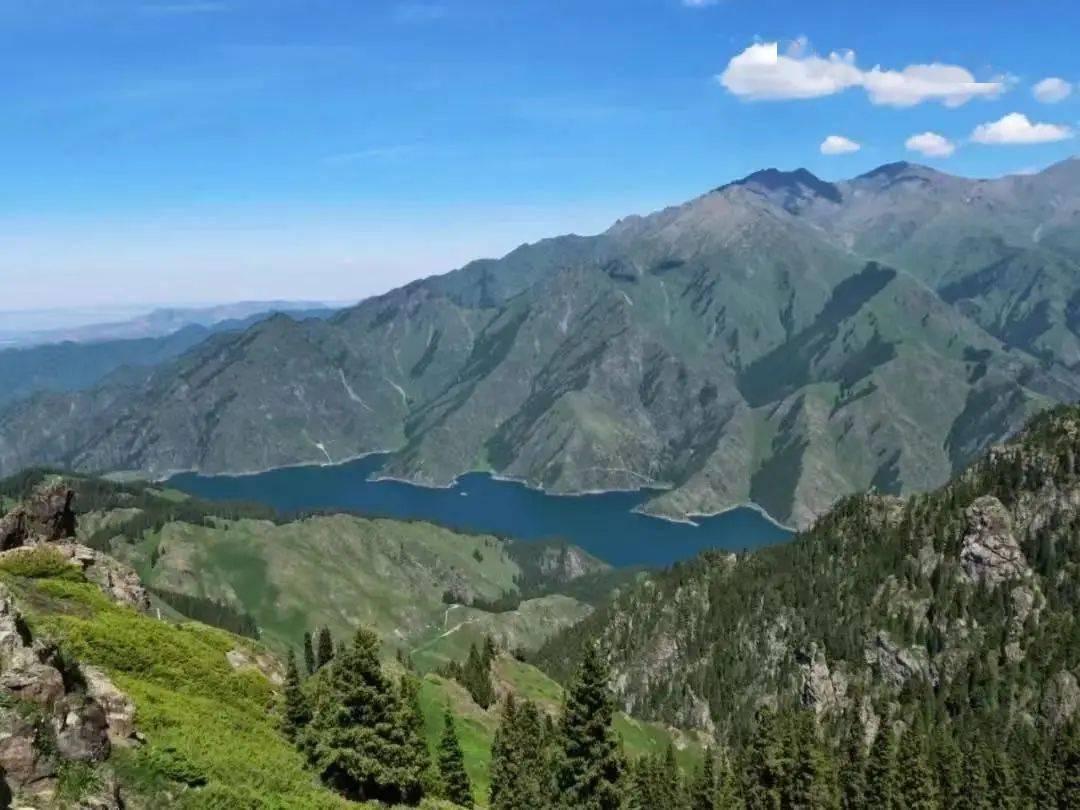
Day three was the long one. Kashgar to Karakul Lake is 200 km on the G314, and the road climbs past Baisha Lake before the Muztagh Ata massif comes into view. Our driver, a man named Ablimit, stopped at the Baisha viewpoint without being asked. We reached the lake by 1 p.m., paid ¥45 each at the gate, and ate laghman noodles at the yurt camp for ¥35 a bowl. That night we slept in Tashkurgan at 3,100 m, and two people in the group needed a slow morning because of the altitude.
From Tashkurgan we dropped back to Kashgar on day five, then took the G3012 east. The drive to Hotan is about 500 km and took us six hours with one stop. Hotan surprised the group: the jade market is loud, crowded, and full of fakes, but the silk workshop on the edge of town is the real thing, and we watched a woman weave ikat on a loom that looked older than the building.
Day eight was the crossing everyone remembers. We turned onto the Taklamakan Desert Highway and drove 420 km of straight asphalt between two walls of poplars planted to hold back the sand. There is one fuel stop at the midpoint, and we filled up there out of habit. By evening we reached Kuqa and ate at a hand-pulled noodle joint where a bowl cost ¥18. This South Xinjiang Itinerary Itinerary is built clockwise for a reason: it keeps the Pamir first, when legs are fresh, and saves the long desert drive for when the group is already in travel mode. For the wider regional context, the South Xinjiang Itinerary Guide breaks down each base in more depth.
How to Get There
Most versions of the South Xinjiang Itinerary Itinerary start in Kashgar. We flew into Kashgar Airport (KHG) on a direct flight from Urumqi that took about two hours and cost ¥1,180. There are also seasonal links from Xi’an and Chengdu. Flying saves two long days compared with the train. The fast train from Urumqi to Kashgar runs roughly 24 hours, and a hard sleeper berth is about ¥500. For more on the gateway city itself, see the Kashgar Travel Guide.
Within the loop, a private car with driver is the practical choice. We booked ours through a Kashgar agency two weeks ahead and paid ¥900 per day including the driver’s food and lodging. The train gets you into the region, but the Pamir and the desert highway both need road transport.
Best Time to Visit
Spring (April to mid-May) is my first choice after September. The apricot trees around Kashgar and Yengisar bloom, the Pamir passes are clear, and the desert heat has not set in. Daytime in Kashgar sits around 20°C.
Summer (June to August) is warm in the basin, often above 35°C in Hotan, but the Pamir stays cool and good for hiking. This is also peak domestic-tourist season, so hotels in Kashgar book out by midweek.
Autumn (September to mid-October) is the other sweet spot. The light on the Pamir is clean, the desert highway is calm, and the poplar forests along the Tarim turn gold. Our late-September trip had 18–24°C days in Kashgar.
Winter (November to March) is harsh and quiet. Some Pamir guesthouses close, and passes can snow over. I only send experienced travelers then. If you plan to drive the loop yourself, the Xinjiang Self-Driving Guide covers road conditions and fuel planning in detail.
My clear recommendation: go in late September or the first half of May. You avoid the worst heat, miss the summer crowds, and still get open passes and good light.
Where to Stay
Budget. In Kashgar, the Old City hostels and small inns run ¥120–¥200 a night for a private room. We used the Seman Hotel’s older wing at ¥180, partly for the history and partly for the location.
Mid-range. The Radisson Blu in Kashgar (¥550–¥700) and the standard Hotan business hotels (¥320–¥450) are comfortable and central. In Tashkurgan, the Pamir Youth Hostel and a couple of newer guest houses sit at ¥260–¥380; book ahead because inventory is small.
Upper. If you want a clean base with reliable heating at altitude, the better Tashkurgan hotels reach ¥600–¥800 in season. In Kashgar, suites at the top end run ¥900–¥1,200 and include airport transfer, which is worth it after a late flight.
Food
South Xinjiang cooking leans heavy on lamb, flatbread, and fruit. In Kashgar we ate dapanji (big-plate chicken) for ¥68 a plate that fed three, and bought hot nang bread from street ovens at ¥3–¥5 each. The Sunday livestock market outside town also has mutton skewers at ¥3 a stick.
In Hotan, the jade-market block has polo (rice with carrot and lamb) for ¥25 a bowl, and the night market near the People’s Square sells grilled fish and samsa pastries at ¥6–¥10. On the Pamir, food is simpler: noodle soups at ¥30 and the occasional yak-meat dumpling. Carry cash there; one of our card machines failed at 3,200 m and we were glad for the ¥200 in notes.
Practical Tips
- Get the Border Travel Permit in Kashgar before you head south. The current foreign-passport rules are in the Xinjiang Visa and Permit Guide, and they change, so check before you book the Pamir nights.
- Acclimatize. Tashkurgan sits above 3,000 m. Spend a night in Kashgar first and drink water on the drive up.
- Fill the tank at every real town. The desert highway has one mid-point station; do not roll in on a quarter tank.
- Carry small cash. Card readers fail in mountain towns, and the best food stalls are cash only.
- Book Kashgar lodging two weeks out in summer and early October. Inventory is thinner than the north.
- Dress in layers. A Kashgar morning at 12°C and a Pamir afternoon at 4°C with wind is a normal day on this route.
How This South Xinjiang Itinerary Itinerary Flows
The loop is built so no driving day exceeds seven hours, which keeps the group fresh. The order matters: Pamir first, desert last. Below is the timeline we actually ran.
Sample Itinerary
- Day 1: Fly to Kashgar, walk the Old City, sleep in Kashgar.
- Day 2: Old City details, Id Kah Mosque, Sunday market if it is the weekend, sleep in Kashgar.
- Day 3: Drive G314 to Karakul Lake, on to Tashkurgan, sleep at 3,100 m.
- Day 4: Stone City, Muztagh Ata viewpoint, optional Khunjerab approach, sleep in Tashkurgan.
- Day 5: Return to Kashgar, rest and laundry, sleep in Kashgar.
- Day 6: Drive G3012 to Hotan (6 hours), night market, sleep in Hotan.
- Day 7: Jade market, silk workshop, desert edge, sleep in Hotan.
- Day 8: Taklamakan Desert Highway crossing to Kuqa, sleep in Kuqa.
- Day 9: Kizil Caves and Kuqa Grand Canyon, sleep in Kuqa or Aksu.
- Day 10: Fly out from Aksu or Kuqa, or return to Urumqi by air.
You can tighten this to nine days by skipping the second Kashgar night, or stretch it by adding Yarkand and the Shache county markets between Hotan and Aksu. A South Xinjiang Itinerary Itinerary under eight days means dropping the Pamir or the desert crossing, which are the two best parts, so I do not recommend it.
FAQ
How many days do I really need for South Xinjiang?
Nine to eleven days covers the core loop without rushing. Under eight and you will cut the Pamir or the desert crossing, which are the two best parts.
Is the Border Travel Permit hard to get?
No. In Kashgar it is free and takes under an hour with your passport and a photo. The catch is doing it before you leave the city, not after.
Can I do this route by train instead of car?
Partly. The Urumqi–Kashgar rail gets you in, but the Pamir and the desert highway need road transport. Most people mix a flight or train with a private car for the loop.
Is altitude a problem on this itinerary?
Only on the Pamir nights above 3,000 m. Two of our nine felt mild headache; both recovered after a slow morning and extra water. Build in the Kashgar acclimatization night.
What is the daily budget per person?
Roughly ¥450 if you share a car and take mid-range rooms, up to ¥900 with upper hotels and private transfers. Food is cheap; the car and the flights are where the money goes.
Is South Xinjiang safe for foreign visitors?
The region is heavily policed and generally calm for travelers who carry permits and IDs. Follow the permit rules, register at hotels as required, and you will move without trouble.
Disclaimer
Prices, permits, flight schedules, and road access in Xinjiang change without notice. The costs and times above reflect a specific September 2024 trip and should be treated as planning estimates, not guarantees. Always confirm the current Border Travel Permit rules, park fees, and flight availability with official sources or your hotel before you travel. This article shares first-hand experience and is not official advice.