

Published: 2026-07-21 | Author: Karl Huang
When a family of four from Shanghai asked me to build a Best Time for 14-Day Xinjiang Itinerary, I did not start with a calendar. I started with the roads. In September 2024 I drove that exact loop with them: 2,860 km from Urumqi up to Kanas, south through the Ili valleys, over the Tianshan via the Duku Highway, and down to Kashgar. We paid ¥1,180 per person in park tickets, ¥460 a night for a mid-range hotel in Korla, and ¥320 for a lamb feast in Kashgar’s Old City. The timing made the trip work. Here is how I pick the window, and why most people get it wrong.
Quick Reference
| Item | Detail |
|---|---|
| Location | North-south grand loop: Urumqi, Kanas, Yili, Kuqa, Kashgar |
| Entry fees | About ¥1,200 per person across all parks and scenic shuttles |
| Best time | Late August to mid-October; early September is the safe sweet spot |
| Route role | The full Xinjiang sampler: lakes, grasslands, deserts, and old towns |
How the 14 Days Actually Felt
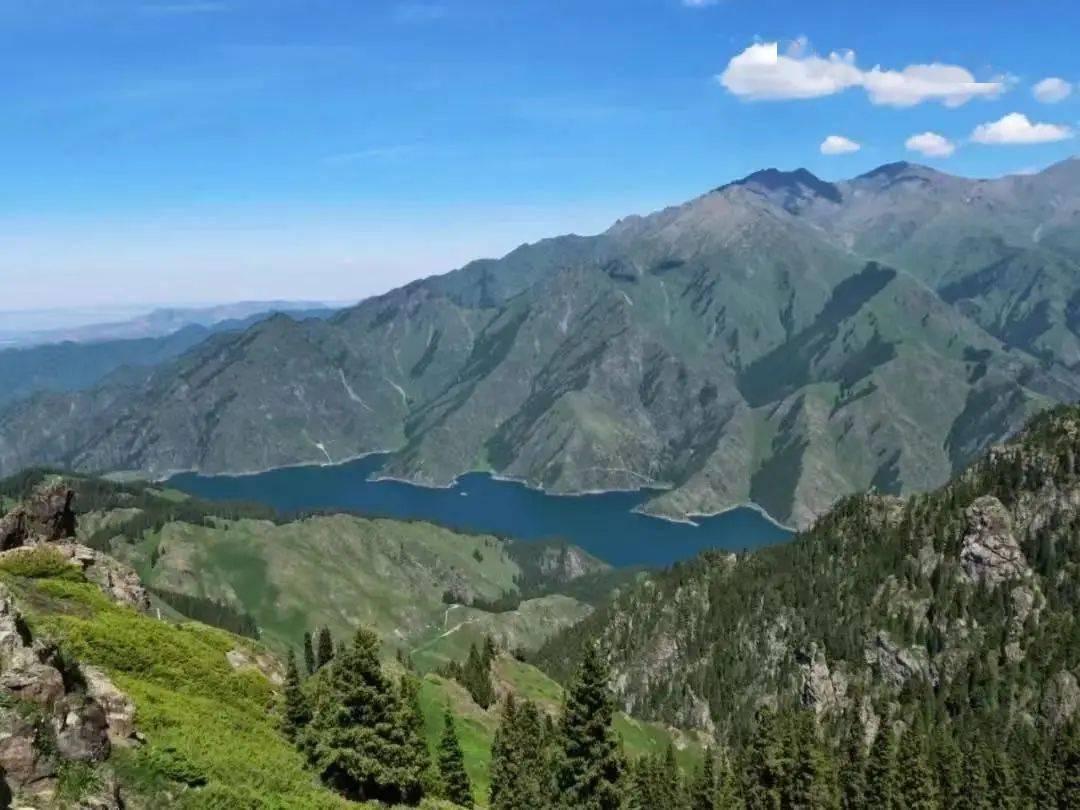
Our flight touched down in Urumqi at 9:40 pm. The next morning we were on the road by 8:00, heading north toward Burqin. That first leg set the tone: 620 km of straight highway, a ¥180 fuel stop, and a roadside noodle lunch for ¥28 a bowl. By day four we reached Kanas, and the morning fog lifted to show a lake that shifts color with the light. We paid ¥230 per person for the Kanas shuttle and boardwalk combo.
The middle of the trip was the part people underestimate. From Yili we climbed onto the Duku Highway, a road that closes every winter and only opens when the snow melts. At the Bayinbuluke pass we hit 2,700 meters and a sudden hailstorm in early September. That is the point: a 14-day Xinjiang itinerary lives or dies on whether the high passes are open and the weather is forgiving. We got lucky with the window. Most of the groups I see struggling booked in July and roasted in Turpan at 44°C, or booked in November and found the Duku sealed shut.
By day twelve we were in Kashgar, walking the Old City at dusk while vendors closed their stalls. The last two days were slower on purpose. After nearly 3,000 km, the group needed the quiet of teahouses and short walks, not another long drive. That pacing is why the timing plan below includes buffer days rather than a packed schedule.
How to Get There
Most travelers fly into Urumqi Diwopu International Airport (URC). Direct flights run from Beijing (¥1,900 off-season), Shanghai (¥2,400), Guangzhou, Chengdu, and Xi’an. The loop I describe starts and ends in Urumqi, so you avoid backtracking.
From Urumqi you have two real choices. Self-drive works if you are comfortable with long desert highway stretches and a few mountain passes; rentals with a driver run about ¥900 to ¥1,300 per day including fuel, and a local driver saves you the permit paperwork. The train is an option for the northern leg (Urumqi to Beitun for Kanas), but a 14-day loop covering both north and south is hard to do by rail alone. I cover the driving logistics in the Xinjiang Self-Driving Guide, which has the checkpoint and fuel-stop notes I wish I had on my first trip, when I was still learning the Best Time for 14-Day Xinjiang Itinerary.
Best Time to Visit: the Best Time for 14-Day Xinjiang Itinerary
Spring, from April to early May, brings desert blooms around Turpan and light crowds, but the north is still cold and some mountain roads stay closed. It is a gamble for a full loop.
Summer, June through August, is the popular season. The mountains are green and the grasslands are at their peak, yet Turpan and the Tarim Basin cook at 40°C plus. Schools are out, so Kanas and Sayram Lake fill with domestic tours. Expect higher hotel rates, often ¥120 to ¥200 more per night than September.
Autumn, late August to mid-October, is the window I recommend. Early September gives cool, dry days across the whole loop and the Duku Highway is open. Late September into October turns the Populus euphratica forests near Luntai and Zepu gold, but cold nights arrive fast and the high passes can see their first snow after October 5. This is the best time to visit 14-Day Xinjiang Itinerary routes if you want color and clear roads at the same time.
Winter, November through March, closes the Duku and most northern scenic areas. Prices drop and the snow scenes are real, but a 14-day grand loop is not practical then.
My clear recommendation: book the first two weeks of September. When I build a 14-Day Xinjiang Itinerary for a client, I target those two weeks. You get the full north-south route open, manageable temperatures, and you beat the October National Day holiday crowds that flood Xinjiang from October 1 to 7.
Where to Stay
Budget travelers can keep rooms around ¥180 to ¥260 a night. In Kanas and Hemu, the guesthouses inside the scenic area cost more and book out early, so reserve a month ahead for September. Hostels and basic hotels in Urumqi and Korla sit at the low end of that range.
Mid-range hotels, the sweet spot for this loop, run ¥380 to ¥550 a night. We used a clean business hotel in Korla for ¥460 and a renovated Old City guesthouse in Kashgar for ¥420. These gave us parking, good heating, and a real breakfast before long drive days.
Upper-end stays, ¥900 to ¥1,600 a night, include lakeside lodges at Sayram and boutique courtyards in Kashgar. Worth it for one or two nights if you want to watch sunrise over the water, but not needed for the whole trip. A full 14-Day Xinjiang Itinerary in Xinjiang does not require luxury to feel good; location and timing matter more than thread count.
Food
Xinjiang food is the easiest part to love. Big plate chicken (da pan ji) feeds two for ¥68 to ¥88 and comes with hand-cut noodles. Lamb kebabs run ¥5 to ¥8 each at night markets; a full mixed grill for a table of four lands near ¥160. Naan bread is ¥3 to ¥6 a piece and keeps for days in the car.
In Kashgar we ate hand-pulled laghman noodles (¥25), samsa pastries from clay ovens (¥6), and a whole roasted lamb shoulder that ran ¥320 and fed the four of us with leftovers. Urumqi’s International Bazaar has dried fruit by the kilo: apricots at ¥40 a kg, walnuts at ¥55. My Xinjiang Food Tour Guide lists the stalls I trust and the dishes worth the detour.
Practical Tips
- Book the Duku Highway days early. The road is one-way at points and caps daily vehicle numbers in peak season, so plan your north-to-south crossing and lock hotels on both ends before you fly.
- Carry cash in small bills. Remote fuel stations and village restaurants outside the big cities often cannot take foreign cards or even some local apps.
- Pack for two seasons. Early September mornings in Kanas can hit 5°C while Turpan afternoon heat still touches 30°C. Layers beat a heavy coat.
- Check permits before the southern leg. The Karakoram Highway toward Tashkurgan needs a border area permit, and the timing of that permit depends on your exact route. The Xinjiang Visa and Permit Guide walks through what to prepare.
- Build in two buffer days. A 14-day Xinjiang itinerary should leave room for a breakdown, a closed pass, or simply a town you want to stay in longer.
- Watch the National Day window. Avoid October 1 to 7 unless you book everything months ahead; prices and crowds both spike hard.
Sample Itinerary
Day 1: Arrive Urumqi, rest and prep the car. Day 2: Drive to Burqin via Koktokay. Day 3: Kanas Lake and the boardwalk. Day 4: Hemu Village sunrise, then on to Yili. Day 5: Nalati or Kalajun grassland. Day 6: Sayram Lake loop, overnight Bole. Day 7: Dushanzi and the start of the Duku climb. Day 8: Bayinbuluke grassland and the sky road. Day 9: Descend to Kuqa, visit the Grand Canyon. Day 10: Kizil Caves and Aksu. Day 11: Drive south toward Kashgar with a Taklamakan desert stop. Day 12: Kashgar Old City walking day. Day 13: Day trip to Karakul Lake or Tashkurgan if permits allow. Day 14: Fly out from Kashgar or return to Urumqi.
FAQ
Is September really better than July for a 14-day loop?
Yes for most travelers. July is hot in the south and crowded in the north. September keeps the whole route open with cooler, steadier weather, which is exactly why the Best Time for 14-Day Xinjiang Itinerary lands in early autumn.
Can I do this route by train instead of driving?
Partly. The north has rail links toward Kanas, but covering both north and south in 14 days is far easier with a car or a hired driver. Plan rail only if you drop the southern desert leg.
How much should I budget beyond tickets and hotels?
Fuel and a driver run ¥900 to ¥1,300 a day for the group. Food is cheap, roughly ¥120 to ¥180 per person daily. Add ¥1,200 for park entries per head.
Do I need a permit for the whole 14 days?
Not for most of the loop. Only the southern Pamir approach near Tashkurgan needs a border permit, and only if your timing includes that side trip. The rest is open to domestic and foreign visitors with standard documents.
What if it snows on the Duku in early October?
The pass can close with little notice after October 5. Keep a buffer day and a backup plan through Korla if the high road shuts. That flexibility is the reason I leave slack in the schedule.
Is this plan good for families with kids?
It works if you trim the long drive days and add rest stops. The Xinjiang Budget Travel Guide has a slower, family-paced version of the same loop with fewer 600 km days.
Disclaimer
Prices, permits, road opening dates, and park fees change from year to year and vary by season and nationality. The ¥ figures above reflect what my group paid in September 2024 and are shared as planning estimates, not guarantees. Always confirm current costs, Duku Highway status, and entry requirements with official sources and your hotel or driver before you travel. This article describes a personal trip and is not formal legal or travel advice.