

Published: 2026-07-20 | Author: Karl Huang
My first real look at Xayar came on a cold morning in late October 2023. I had flown from Urumqi to Aksu the night before, rented a Corolla at the airport for 220 RMB a day, and driven the last 80 kilometers south as the sun came up. The road bent toward the Tarim River, and suddenly the desert was on fire with gold. That is the thing about a Xinjiang itinerary built around Xayar: the poplar forests here are not a side note, they are the whole point. This Xayar Travel Guide pulls together what I learned on three separate trips, including the prices I actually paid and the mistakes I made getting there.
Quick Reference
| Detail | Information |
|---|---|
| Location | Xayar County, Aksu Prefecture, Xinjiang. Northern edge of the Taklamakan Desert along the upper Tarim River. |
| Entry fee | Poplar forest scenic area about 45 RMB; 139-km route shuttle around 60 RMB. Prices shift by season. |
| Best time | Late September to early November. The gold peaks in the final two weeks of October. |
| Elevation | Roughly 980 m (3,215 ft) in the county seat. |
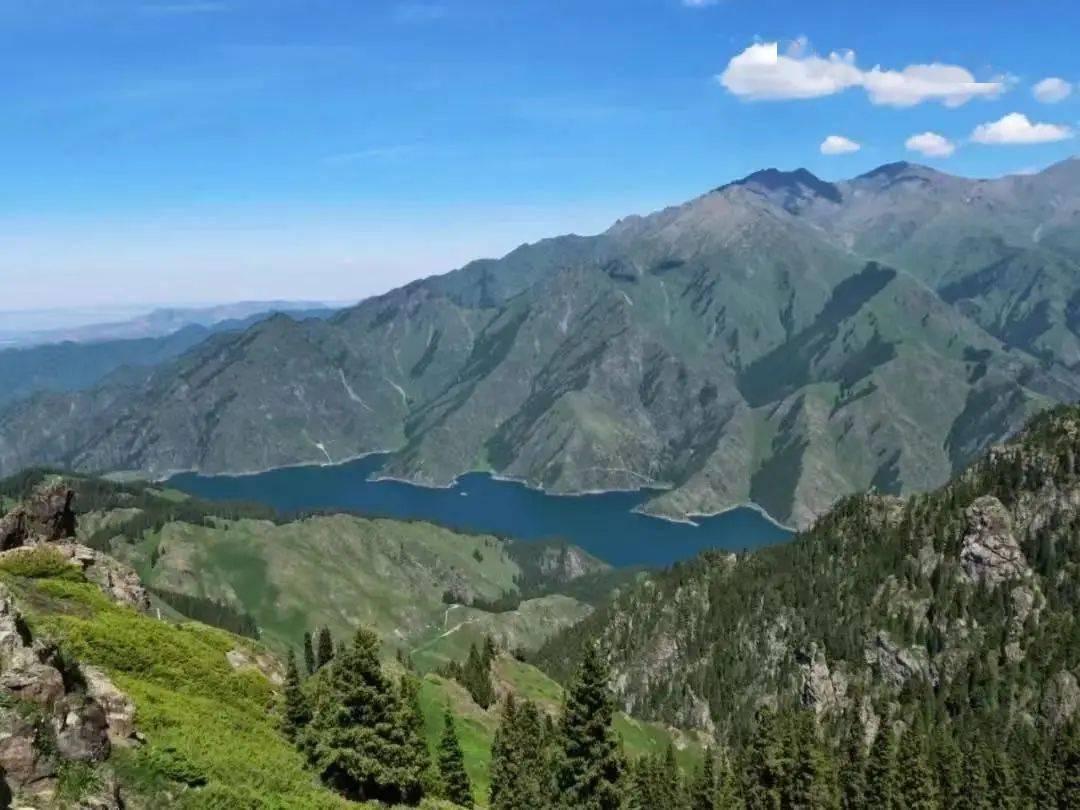
Xayar sits where the Tarim River spills out of the mountains and starts its long, slow death into the Taklamakan. The county holds one of the largest stretches of original Populus euphratica (hu yang, 胡杨) left on earth. These are not planted rows. They are wild trees, some estimated at more than a thousand years old, growing straight out of the riverbank sand. When the leaves turn, the whole floodplain goes the color of an old coin.
Xayar Travel Guide to the 139 Poplar Route
The route everyone talks about is the 139 Road, a 139-kilometer self-drive track that follows the Tarim River through the heart of the forest. I drove it on my second trip, in a borrowed Land Cruiser with a local named Ablet who grew up fishing these bends. We left Xayar town at 7:40 a.m. so we would hit the first light on the water. For the first 30 kilometers the road is paved and easy. After that it turns to hard-packed sand and gravel, and you feel the desert close in.
What surprised me was the silence. No vendors hawking at the pull-offs, no fence charging you at every bend. The road is public, so driving it costs nothing. The paid part is the forest scenic zone near the midpoint, where a boardwalk and a short shuttle train take you into the oldest stands. I paid 45 RMB for that entry and another 60 RMB for the shuttle, which saved me about four kilometers of walking in 90-degree heat.
Ablet pointed out Huyang Island, a sandbar the river wraps around twice. In autumn the reflection doubles the gold. We ate lunch there on a plastic sheet: cold naan, a thermos of black tea, and grapes his cousin had grown. It was the quietest, cheapest meal I had in two weeks in Xinjiang, and I still think about it.
If you only take one thing from this guide, take this: the 139 Road is long and has almost no services. Carry water, a full fuel tank, and a downloaded map. My phone lost signal for 40 kilometers and I was glad I had marked the turnaround point on paper.
How to Get There
Xayar has no commercial airport of its own. The practical gateway is Aksu, and most travelers route through there.
From Urumqi. Fly to Aksu Airport (AKU), about a one-hour flight, with morning and early-evening departures. A taxi from the terminal to the rental desks is under 20 RMB. From Aksu it is an 80 to 95 kilometer drive south on the G3012 and county roads; budget 90 minutes with a stop. If you would rather not drive, the long-distance bus from Aksu to Xayar runs several times a day and costs around 35 RMB. You can read the broader Aksu travel guide for flight and train options into the prefecture.
From Korla. Roughly 260 kilometers east. The drive takes three to four hours on good highway. This is a natural add-on if you are already doing the Tarim Basin loop.
From Kashgar. About 500 kilometers. Most people do this as an overnight drive or break it with a stop in Aksu. The G3012 makes it straightforward, but it is a full day behind the wheel.
By train. Xayar has a station on the Southern Xinjiang railway line, with services from Aksu, Korla, and Kashgar. The ride from Aksu is short, under two hours, and a hard seat costs about 25 RMB. Trains are slow but they put you right in town.
Best Time to Visit
Xayar changes character with the season, and the calendar decides your experience more than any other factor.
Spring (April to May). The desert blooms with low yellow flowers and the Tarim carries meltwater. Crowds are thin and hotel rates drop. The downside is wind: spring dust storms roll through, and on two of my five spring mornings the visibility dropped to a few hundred meters.
Summer (June to August). Brutal heat. Daytime highs regularly pass 40°C, and the poplars are plain green, not gold. The river is full, which is good for photography of the water itself, but I would not plan a primary visit for summer unless you already live in the region.
Autumn (late September to early November). This is the season the place is built for. The leaves turn from green to yellow to a deep burnt orange over about four weeks. The final two weeks of October are the peak, when the color is most saturated and the weather is crisp and dry.
Winter (December to February). Cold, often below freezing at night, and very quiet. Snow dusts the desert in some years. The forest is bare, but the bare black trunks against white sand have their own stark appeal, and you will have the roads to yourself.
My recommendation. Go in the last two weeks of October. Aim for a weekday if you can; the weekends in peak season bring coach tours from Aksu and Korla. For a wider view of regional timing, the Xinjiang travel guide archive covers season-by-season planning across the whole region.
Where to Stay
Xayar town has enough lodging for an overnight, though you will not find international chains. Most visitors stay one night before or after the forest.
Budget. Family-run guesthouses and the occasional hostel near the bus station run 120 to 180 RMB a night. Clean, basic, with hot water that is sometimes slow to arrive in the morning. I stayed at one for 130 RMB and slept fine.
Mid-range. Local business hotels with elevators, decent beds, and included breakfast sit in the 250 to 400 RMB band. These are the easy choice if you want a reliable air conditioner and a front desk that speaks some Mandarin beyond the basics.
Upper. The best rooms in town, often in the newer four-star-style properties, run 500 to 800 RMB. Do not expect luxury, but expect space, a proper desk, and a restaurant that stays open past 9 p.m.
If you want more choice, Aksu city 80 kilometers north has a wider range, and some travelers base there and make Xayar a day trip. I prefer sleeping in Xayar because the early start lets you reach the forest for first light.
Food
Xayar eats like the rest of southern Xinjiang: wheat noodles, lamb, and fruit, with a strong Uyghur kitchen behind most of it. Prices below are what I paid in 2023 and 2024; treat them as a range, not a quote.
Plov (polu, 抓饭). Rice with carrot, lamb, and raisin, served with a boiled egg on the side. About 25 to 35 RMB a plate. The morning version, eaten before 10 a.m., is the local habit and the best value.
Laghman (拉条子). Hand-pulled noodles with a tomato and pepper sauce and your choice of meat. 20 to 30 RMB. Ask for it “sparse noodle, heavy sauce” if you want more topping.
Samsa (烤包子). Lamb-filled baked buns from the tandoor, 5 to 8 RMB each. Buy them from the corner shops near the market, not the sit-down places, for the freshest ones.
Rose-willow skewers (红柳烤肉). Lamb grilled on rose willow sticks, which give a faint resin taste. About 5 RMB a skewer; a filling stack is eight or ten. A plate for two runs 50 to 70 RMB.
Big-plate chicken (大盘鸡). Chicken, potato, and wide noodles in a spicy broth. 68 to 98 RMB for a plate that feeds two. Order it with “belt noodles” (皮带面) added at the end.
Fruit. In autumn the grapes, melons, and pears are cheap and excellent. A bag of table grapes was 10 RMB at the roadside stall. Wash everything in bottled water.
Practical Tips
- Fill the tank in Aksu or Xayar town before the 139 Road. The route has no fuel for its full length.
- Download offline maps. Signal drops for long stretches along the river.
- Carry at least two liters of water per person, plus snacks. Services are sparse.
- Wear closed shoes. The riverbank sand hides dry thorns and the boardwalks can be slick at dawn.
- Bring cash. Small forest-zone vendors and the shuttle ticket booth may not take phone payments reliably.
- Start early. Light on the poplars is best between 8 and 10 a.m. and again near sunset.
- Check the forest entry rules before you go. The protected core closes on some windy days, and holiday dates shift.
Sample Itinerary
This is the two-day plan I ran on my best trip, paced for photography and one relaxed evening in town.
Day 1.
08:00 Fly Urumqi to Aksu (or take the morning train if you prefer rails).
10:30 Pick up rental car; buy water and a full tank.
12:00 Drive south, lunch at a roadside plov spot near the county line.
14:30 Check in to Xayar town hotel; rest through the hot afternoon.
17:00 Short drive to the eastern forest edge for golden-hour photographs.
20:00 Dinner: big-plate chicken and laghman in town.
Day 2.
07:00 Depart hotel for the 139 Road start.
07:40 First light at the river bend; photograph for two hours.
10:30 Enter the forest scenic zone; take the shuttle to the old stands.
13:00 Picnic lunch on Huyang Island with bought naan and tea.
15:00 Drive the southern half of the route; turn around at the marked point.
18:00 Back in Xayar; early dinner, then the night train or next-morning flight out.
FAQ
Is Xayar worth visiting if I have already seen the poplars at Luntai?
The forests share the same species, but Xayar’s 139 Road gives you a long, open self-drive through wild stands without the heavier development at the Luntai park. If you like driving and quiet, Xayar is the better half.
Can I do Xayar as a day trip from Aksu?
Yes. It is about 90 minutes each way. Leave Aksu by 7 a.m. to catch morning light and return after sunset. You will miss the overnight calm, but you will see the forest.
Do I need a 4×4 for the 139 Road?
A normal sedan handles the paved and hard-packed sections in dry weather. After rain or in soft sand a higher-clearance vehicle helps. I ran it in a Corolla one year and a Land Cruiser the next; both worked, but the Cruiser was more relaxed.
Are there entrance fees I should budget for?
The road itself is free. The forest scenic zone charged me 45 RMB, and the shuttle was 60 RMB. Rates change, so confirm at the booth. For the wider regional picture, the Populus Euphratica Forest travel guide compares the major poplar sites across Xinjiang.
Is Xayar safe for solo travelers?
The county is calm and the town is small and walkable. The only real risks are desert ones: heat, no signal, and running low on fuel or water. Plan for the environment, not for crime.
What should I pack that I might forget?
A paper map, a power bank, sunglasses, and a light layer for cold mornings even in October. The temperature swing from 7 a.m. to 3 p.m. can be 20 degrees.
Disclaimer
Prices, entry fees, shuttle costs, train and flight schedules, and road conditions listed above reflect what I observed on specific trips in 2023 and 2024. They change with the season, with local policy, and with weather. Permit rules for the protected forest core can shift without notice, and some sections of the 139 Road close on high-wind days. Confirm all costs, opening hours, and access rules with official sources and your accommodation before you travel. Nothing here is a guarantee of current conditions, and you are responsible for checking the latest information with the relevant authorities.