

This Xinjiang Travel FAQ gathers the 30 questions I’m asked most by first-time visitors. After eight seasons on the road here, I’ve heard them all — about visas, safety, permits, food, and whether you can drink the tap water. Think of it as the starting point before you build a route. For the broader plan, start from our main Xinjiang itinerary hub, and use the links below to go deeper on each topic.
Q: Do I need a visa to visit Xinjiang?
A: Yes. Xinjiang is part of China, so you need a standard Chinese tourist (L) visa obtained from a Chinese embassy before you travel. There’s no separate Xinjiang visa.
Q: What’s the best time to visit Xinjiang?
A: June to October is the prime window. Summer (July–August) is green and lively but crowded and pricier; September–early October brings golden autumn colors and the grape and melon harvest, and is my favorite time. Late spring (May) suits the south’s apricot blossoms. Winter (November–March) is cold but stunning around Kanas and far cheaper. Avoid planning mountain drives outside June–October, when high passes close.
Q: Is Xinjiang safe for tourists?
A: Yes. The region is heavily policed and generally safe for foreign visitors. You’ll pass routine ID and vehicle checkpoints — that’s normal, not a sign of danger. Keep your passport handy.
Q: Do I need a border permit?
A: Only for specific border areas. The Tashkurgan/Pamir region near the Pakistan border requires a border permit, arranged in Kashgar. Most of Xinjiang — Urumqi, Turpan, Kashgar city, Kanas — needs no special permit.
Q: Will I get altitude sickness?
A: Possibly, on the Pamir Plateau (Tashkurgan sits around 3,000+ m) and the G219, where passes exceed 5,000 m. The low basins (Turpan, Kashgar at ~1,200 m) are no issue. Ascend gradually, hydrate, limit alcohol for the first days, and consider a night in Kashgar to acclimatize before heading up. Mild headache and breathlessness are normal; severe symptoms mean descend immediately. Talk to your doctor about acetazolamide before a high-altitude trip.
Q: Should I bring cash or use cards?
A: Bring some cash (RMB). Mobile payments (WeChat Pay, Alipay) dominate, but foreign cards often don’t link easily. ATMs in cities work with international cards; carry cash for rural stops and tolls.
Q: How do I get to Xinjiang?
A: Fly into Urumqi Diwopu (URC) from major Chinese cities, or take the Lanxin high-speed train from Lanzhou/Xi’an. Most foreigners fly into China first, then connect. See our full guide on Xinjiang travel guide for arrival options.
Q: Is the food halal?
A: Largely yes in the south and west, where Uyghur and Kazakh cuisine dominates and meals are halal. In Han-majority spots you’ll also find pork dishes. Vegetarians can eat well on hand-pulled noodles, flatbreads, lentil soups, and vegetable stir-fries, though truly meat-free options take explaining. If you have dietary restrictions, learn the phrase “I don’t eat X” in Chinese and show it on your phone. Food is fresh, cheap, and a highlight of any trip.
Q: What should I wear?
A: Dress modestly and practically. Lightweight, covering clothing for summer sun; layers for cold nights on the plateau. A headscarf helps against wind and dust. There’s no strict dress code for visitors, but covering shoulders and knees shows respect at religious sites.
Q: Will I have internet / can I use Google?
A: Western platforms (Google, Facebook, Instagram, WhatsApp) are blocked in China without a VPN. Download a VPN before arrival (they’re hard to install once inside), or use WeChat to stay in touch.
Q: Do people speak English?
A: Little outside top hotels and agencies. Learn a few Mandarin or Uyghur phrases, and keep a translation app. Your driver may not speak English — see the transport notes in our Xinjiang travel guide for hiring and language tips.
Q: How many days do I need?
A: Minimum 7–10 days for one region (north or south). A grand loop covering both needs 15–21 days. Less than a week only lets you see Urumqi and Turpan, and even that is rushed. My standard recommendation for a first trip is 10–12 days focused on one half — the north for lakes and grasslands, or the south for Kashgar and the Pamirs. Add days for the Duku crossing if you want both. Remember that driving days eat time; don’t underestimate transfer distances.
Q: North or south Xinjiang — which first?
A: North (Kanas, Ili, grasslands) for nature and lakes; south (Kashgar, Tarim, Pamirs) for culture and desert. First-timers short on time often pick the north in summer (green, lush, photogenic) or the south in autumn (harvest, clear light, the Pamirs at their best). If you love mountains and water, go north; if you’re drawn to Silk Road history, bazaars, and high plateau, go south. You can’t do both well in under two weeks, so choose and save the other half for a second trip.
Q: Can I self-drive or should I hire a driver?
A: Foreigners generally hire a licensed driver — self-drive rentals aren’t practical without a Chinese license, and foreign licenses aren’t accepted for tourist driving here. A driver costs ¥600–1,200/day for a 5–7 seat vehicle and unlocks the interior (Kanas, Duku, Pamirs) that trains can’t reach. Fuel, tolls, and the driver’s meals are usually extra — confirm in writing. Our dedicated driver guide covers costs, where to book, and red flags in detail.
Q: Is Xinjiang good for families?
A: Yes, with planning. Grasslands, lakes, and bazaars engage kids, but long drives and checkpoints test patience. Pack snacks, entertainment, and build rest days.
Q: Is solo travel safe and practical?
A: Safe, yes. Practical alone? Transport between sights needs a driver or tour, which is costlier solo. Group tours or a shared private car split the bill.
Q: Can I visit in winter?
A: Absolutely, and it’s magical — Kanas under snow, ice festivals, empty roads, and hotels at a fraction of summer rates. But the Duku Highway and high passes close, and some guesthouses in remote areas shut for the season; pack serious cold-weather gear (down jacket, thermal layers, insulated boots) and confirm road and hotel access before you commit. Winter driving needs a prepared vehicle and a driver who knows ice. If it’s your first visit, though, I’d still steer you to summer or autumn for the fullest experience.
Q: What should I pack?
A: Sunscreen, sunglasses, a hat, lip balm (the air is dry), layers, sturdy shoes, cash, a power bank, a translation app, and any prescription medicine. A refillable bottle; buy water rather than drink tap.
Q: Should I get a Chinese SIM card?
A: Yes, if you want cheap data. Buy one at the airport kiosk or a carrier shop with your passport — China Mobile and China Unicom both offer tourist data plans (often 7–30 days, several GB). Bring your phone’s unlock status confirmation. Alternatively, use your home roaming or an eSIM if your device supports it before you leave. Note that without a VPN, Google services won’t work even with a local SIM, so download offline maps and translation apps in advance.
Q: What are the hotels like?
A: Urumqi and Kashgar have international-standard hotels. Smaller towns offer clean but basic guesthouses. Book ahead in summer. Don’t expect Western breakfast outside big cities.
Q: Are the bazaars worth visiting?
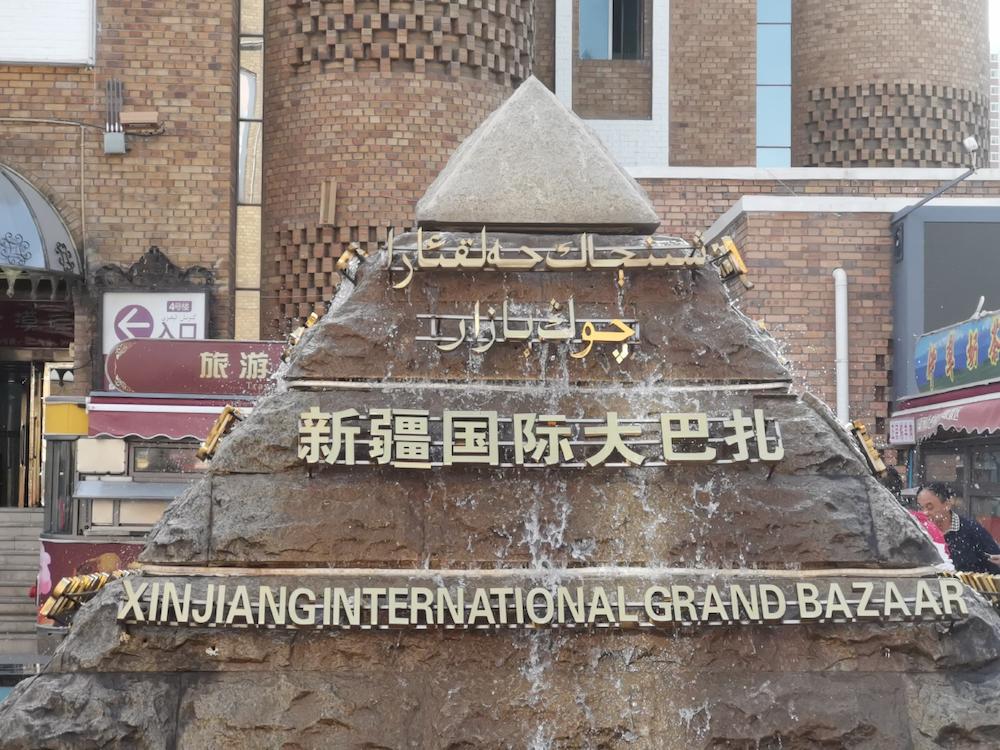
A: Kashgar’s Sunday Bazaar and the area around Id Kah Mosque are highlights — carpets, hats, dried fruit, and cook-your-own street food. Go early (before 10 am) for the livestock section, bargain politely but firmly, and keep your belongings secure in crowds. Urumqi’s International Bazaar is more tourist-oriented but convenient. In smaller towns, the evening food streets are where locals actually eat.
Q: Can I take photos freely?
A: Mostly yes for landscapes and markets. Avoid photographing military installations, police posts, and some bridges or checkpoints — signs often indicate restrictions. Ask before photographing people.
Q: What’s the etiquette around religion?
A: Be respectful near mosques — remove shoes where required, don’t enter during prayers uninvited, and dress modestly. Don’t walk in front of worshippers.
Q: Is the water safe to drink?
A: Drink bottled or boiled water. Tap water isn’t recommended for visitors. Hotels usually provide a kettle.
Q: How much should I budget per day?
A: Outside the driver cost, budget ¥200–500 per person for food and entry, more in Urumqi. Add ¥600–1,200/day for a vehicle if hiring.
Q: Do I need travel insurance?
A: Strongly recommended — covering medical evacuation, especially if you’ll be on the Pamirs or remote roads far from good hospitals. Check the policy explicitly includes China and high-altitude activities above 3,000 m, since some standard plans exclude them. Keep a digital and paper copy, and note the emergency assistance number that works internationally. The region is safe, but a vehicle breakdown in the desert or altitude illness on the plateau is exactly when insurance matters.
Q: Can I use my credit card?
A: In upscale hotels and large supermarkets, sometimes — but don’t count on it. Rural restaurants, markets, and tolls are cash or mobile-pay (WeChat/Alipay), which foreign cards rarely link to. Carry a Visa/Mastercard as backup and enough RMB cash (¥500–1,000) for daily use. Withdraw cash at bank ATMs in cities using your home card; notify your bank of travel beforehand to avoid blocks.
Q: What’s the time zone?
A: Xinjiang officially uses Beijing Time (UTC+8) but many locals, especially in the west, follow Xinjiang Time (UTC+6) for daily life. Shops may open later by Beijing clock. Plan around it.
Q: Are there trains within Xinjiang?
A: Yes — Urumqi to Turpan, Korla, Aksu, and Kashgar by rail. Trains are cheap and safe but don’t reach scenic interiors like Kanas or the Duku Highway. For route ideas see our Xinjiang attractions pages.
Q: What’s the food I shouldn’t miss?
A: Hand-pulled noodles (laghman), roasted mutton skewers, naan bread, pilaf (polo), and Uyghur samosa. Try a proper Kashgar kebab night and the melons in summer.
Q: Can I combine Xinjiang with other China trips?
A: Easily. Many fly in from Xi’an (Terracotta Army, Silk Road history) or Chengdu (pandas) and connect by HSR or flight. The region pairs naturally with Gansu’s Hexi Corridor — Dunhuang, Jiayuguan, Zhangye — which you’ll pass on the Lanxin rail line anyway. A common two-week China trip is Beijing → Xi’an → Dunhuang → Urumqi → Kashgar. Build it around the season: spring and autumn suit the corridor; summer suits Xinjiang’s north.
Q: Any last tip for first-timers?
A: Slow down. Distances are huge and the region rewards a few deep stays over a rushed checklist. Build buffer days for weather and checkpoints, and you’ll have a far better trip. For city-specific start points, our Xinjiang cities guide helps you choose.
Frequently Asked Questions
Is this FAQ enough to plan my whole trip?
No single page is. Use it as a checklist of what to research, then build a route from the linked guides on transport, drivers, drives, and cities.
Where do I start after reading this?
Decide your season and region, then read the arrival and driver guides, and pick a few anchor cities. The Duku Highway road trip guide is a natural next read once you’ve chosen.
Do the answers change year to year?
Visa, permit, and border rules shift. Treat this as a solid baseline and confirm current requirements with a Chinese embassy and a licensed operator before you book.
Can you help with a custom route?
Yes — once you know your dates, budget, and interests (nature vs. culture, north vs. south), the city and attractions guides let you assemble a realistic plan.