

Is Xinjiang worth visiting? After eight seasons on the road here, my honest answer is yes — for the right traveller. This is the largest region in China, a place where you can stand in a snow-fed alpine lake at dawn and eat warm naan in a Silk Road city by noon. But it is not a low-effort holiday. Distances are huge, English fades outside the top hotels, and a few border zones need paperwork. Below I lay out the real pros and cons so you can decide before you build a Xinjiang itinerary rather than after you have booked a non-refundable flight.
The pros: why Xinjiang earns its reputation
The case for coming is strong, and most of it is about scale and variety you simply do not get elsewhere in one trip.
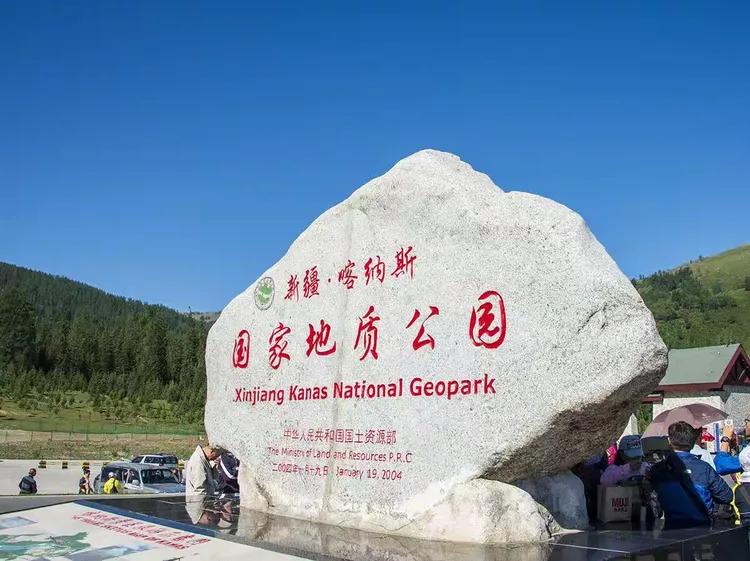
- Landscape range in a single region. In two weeks you can see the green forests and turquoise lakes of Kanas in the north, the red cliffs of Turpan, the Taklamakan desert, and the glaciers of the Pamir Plateau in the south. Few places pack that much geological contrast into drivable distances.
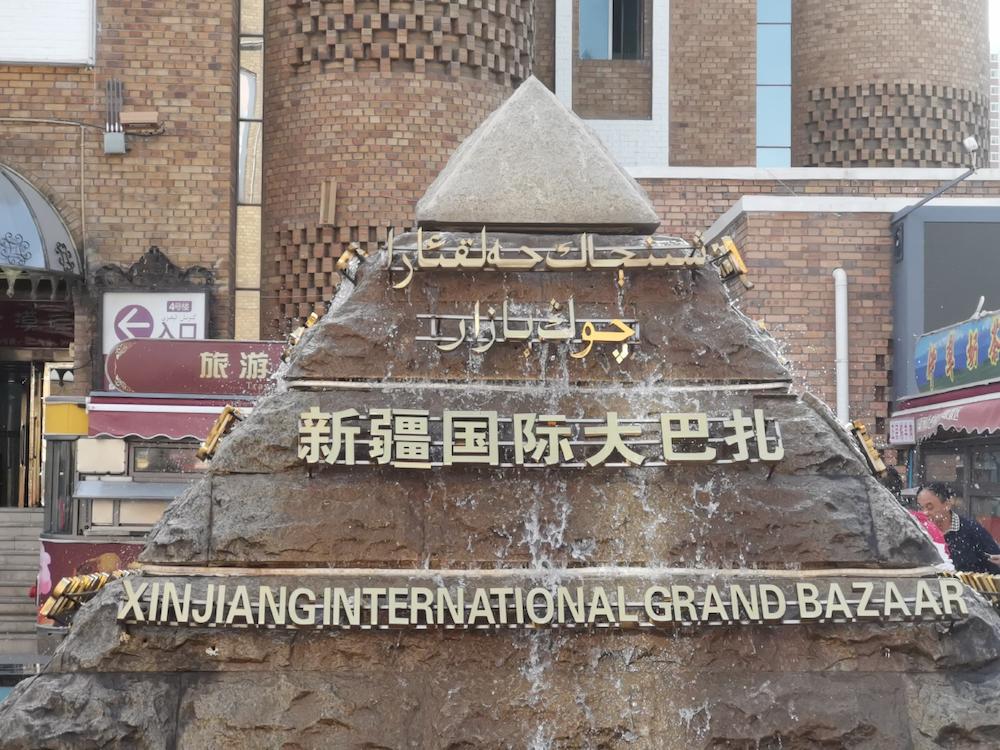
- Silk Road culture that is still alive. Kashgar’s old city, the Sunday livestock market, the Uyghur and Kazakh food traditions, the mosques and the caravanserai echoes — this is not a museum, it is daily life. You eat, haggle, and walk among it.
- Low crime and a safe feel. Petty theft against tourists is rare, and the heavy police presence, whatever you make of it politically, means crowded bazaars and night markets feel orderly at 10pm.
- Food worth the flight. Hand-pulled laghman noodles, samsa baked in clay ovens, mutton skewers, fresh figs and melons in season, and dairy from mountain pastures. The cuisine is distinct from inland China and closer to Central Asia.
- Strong value. Domestic flights, trains, and local food are inexpensive by Western standards. A good mid-range hotel in a hub city often costs less than a budget room in Europe.
- Far fewer Western tourists. While Xi’an and Beijing fill with international groups, much of Xinjiang sees only domestic travellers. If you want a major world region without the coach crowds, this is it.
The cons: what will test you
Now the honest downsides, because they are real and they decide whether you enjoy the trip.
- Huge distances and long drives. Urumqi to Kashgar is around 1,500 km. The Duku Highway alone is a full day of switchbacks. You will spend hours in vehicles; if you dislike road time, this region will wear you out.
- English is limited. Outside international hotels and a few tour desks, staff speak little English. Translation apps help, but ordering food or buying a bus ticket can be a puzzle. Learn a dozen key phrases or travel with a guide.
- Some border zones are restricted. The Pamir and Karakoram corridor need a Border Permit, and a few military areas are closed outright. Most travellers are unaffected, but the freewheeling “go anywhere” style does not apply.
- Altitude on the Pamir. Tashkurgan sits above 3,000 metres. If you fly up from the lowland deserts you may feel the thin air. Build acclimatisation into plateau plans.
- Variable services off the hubs. Outside Urumqi, Kashgar, and Turpan, hotel quality, heating, and restaurant hygiene swing widely. Small-town stays need a tolerant attitude and a booked-ahead plan.
Pros and cons at a glance
| Pros | Cons |
|---|---|
| Unmatched landscape variety in one region | Very long drives between highlights |
| Living Silk Road culture and markets | Little English outside top hotels |
| Low crime, orderly public spaces | Some border zones need a permit |
| Distinct Central Asian food | Altitude on the Pamir Plateau |
| Good value for money | Uneven services in remote towns |
| Few Western tourists | Sparse public transport off main lines |
Who should go — and who should skip it
Xinjiang suits travellers who like a goal behind the journey. If dramatic scenery, long road trips, and meeting a culture different from your own sound like the point of travel, you will be rewarded. Photographers, road-trippers, and anyone curious about the Silk Road will find months of material.
It is a harder sell for travellers who want walkable compact cities, fluent English service at every turn, and a relaxed beach-and-buffet pace. If a six-hour transfer between stops sounds like punishment, pick a smaller, denser destination first. The region also asks for flexibility: weather closes mountain passes, and a checkpoint or a permit delay can reshape a day.
Families with older children who enjoy nature tend to do well, especially on the Tian Shan and lake routes. Very young kids and travellers with limited mobility should stick to the hub cities and short excursions rather than the plateau loop.
How to make the trip worth it
The tourists who leave disappointed usually tried to see everything in five days. The ones who love it picked a corridor and went deep. My suggested first shape is north or south, not both:
- North loop: Urumqi → Tian Shan / Heavenly Lake → Turpan → fly or train back. Compact, low altitude, easy logistics.
- South loop: Urumqi → Kashgar → Pamir Plateau (with Border Permit) → back. More cultural, more driving, higher altitude.
- The classic cross-region drive: the Duku Highway, open roughly June to September, connecting north and south Tian Shan in one unforgettable day — but only when the road is open after winter snow.
Give each base two nights. The second day is when markets, food, and local rhythm actually open up. Rushing the region is the fastest way to feel it was not worth it.
Best time to visit Xinjiang
Timing shapes the experience as much as the route. The region swings between a hard continental winter and a short, intense summer, and the window you pick changes what is open.
- June to September is the prime season. The Duku Highway opens after snow (usually June), alpine lakes like Kanas turn green, and the Pamir is warm by day. This is when most first-timers should come. Expect busy domestic holiday weeks in early May and early October, when hubs fill and prices rise.
- October brings the southern desert’s best light and the Kashgar apricot and grape tail end, with cooler, clearer days and fewer crowds. The high passes start to close toward late October.
- November to March is deep winter. Urumqi and the north see heavy snow and sub-zero cold; some mountain roads and the Duku Highway shut entirely. The upside is empty sites and real winter-market atmosphere, but only for travellers who dress for it and accept limited access.
- Spring (April–May) is unstable — wind storms across the Taklamakan and patchy mountain access — but Turpan’s apricot blooms and low prices reward flexible visitors.
My default recommendation is a June-to-September window for a first trip, with September as the sweet spot: warm, open roads, and the summer crowds thinning. If you come in winter, plan a city-and-lowland trip, not a plateau loop.
Budgeting for the trip
A quick word on money, because it affects whether the trip feels worth it. A realistic mid-range day in a hub city — licensed hotel, two decent meals, local transport, and one paid site — runs modestly by Western standards, and domestic flights between hubs are often cheaper than a train in Europe. The real cost driver is distance: a private car with driver for the Pamir loop or a multi-day Duku drive adds up per day, and guide fees apply if you want English on the ground. I advise clients to fix the corridor first, then add the drives they can afford, rather than booking transport piecemeal. Travellers on a tight budget can rely on trains and buses between hubs and skip the private plateau loop, still seeing the north’s lakes and Turpan’s ruins for little outlay.
My honest verdict
Is Xinjiang worth visiting? For travellers who want dramatic landscapes and real Silk Road culture and do not mind big transfers, absolutely yes. It is one of the last large regions where a visitor from the West can still feel they have found somewhere genuinely different, at a price that is gentle on the wallet. The costs are real — distance, language, altitude, permits — but they are costs you can plan around, not reasons to stay home. Start with one loop, travel slowly within it, and let the size of the place be the attraction rather than the obstacle.
For route detail by region, the Xinjiang cities guides break down each hub, and the Duku Highway road trip page explains the season and the drive.
Frequently asked questions
Is Xinjiang worth visiting if I only have one week?
Yes, but choose one loop — north (Urumqi, Tian Shan, Turpan) or south (Kashgar and the Pamir) — rather than both. Trying to cover the whole region in seven days turns the trip into a transfer marathon.
Is it safe for a solo traveller?
Yes. Crime against tourists is low and public spaces are orderly. The main solo challenges are language and long-distance transport, not personal safety. A translation app and booked hotels remove most friction.
Will I struggle without speaking Chinese?
In hub cities and international hotels, little English is spoken but staff manage. In markets and small towns you will need a translation app or a guide. Learning to show written place names on your phone solves most taxi and food situations.
Is the food safe for visitors?
Generally yes. Busy stalls with high turnover are your safest bet. Peel fruit, drink bottled or boiled water, and ease into the rich mutton dishes if your stomach is sensitive. Stomach upset is usually from quantity, not hygiene.
Do I need to be fit for the altitude?
Only the Pamir Plateau reaches altitudes that bother people, above 3,000 metres. The north and the desert routes are low. If you go south, ascend gradually and avoid heavy exertion on day one on the plateau.
Is Xinjiang expensive compared with the rest of China?
About the same or cheaper. Domestic flights and trains are subsidised and inexpensive, and food is good value. The cost driver is distance — more transfers mean more tickets and more guide days.