

October is the region’s last act, and it’s a beautiful one if you time it right. Xinjiang in October means golden poplar forests in the Tarim Basin, cold-clear mornings, and a final chance at the high roads before winter shuts them. But the month has a hard stop: the mountain passes and the famous Duku Highway close around October 10-15, and many scenic guesthouses follow soon after. After eight seasons here, my advice is simple — come in early October, chase the poplars, and be out of the high country by the middle of the month. Here’s exactly how the month plays out.
The Early-October Sweet Spot
The first two weeks of October are the prize. The weather is stable and cool, the light is low and warm, and the summer crowds are long gone. If you missed September’s Kanas gold, October gives you a different kind of colour: the desert poplars. It’s also one of the cheapest comfortable windows of the year, with post-holiday hotel rates dropping after the National Day week ends.
The catch is the clock. Everything good about October is on a deadline set by snow, not by a calendar you control.
The Tarim Poplar Forests Go Gold
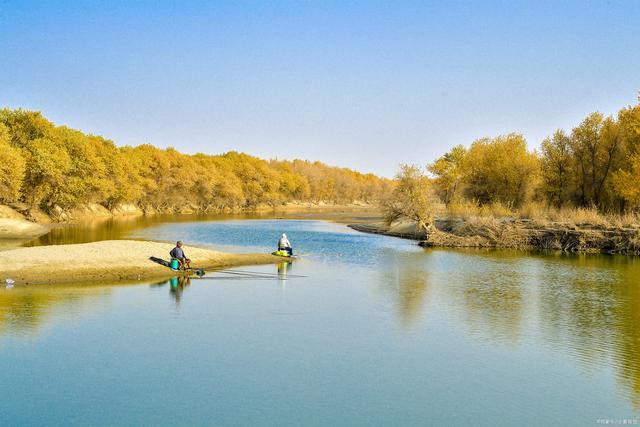
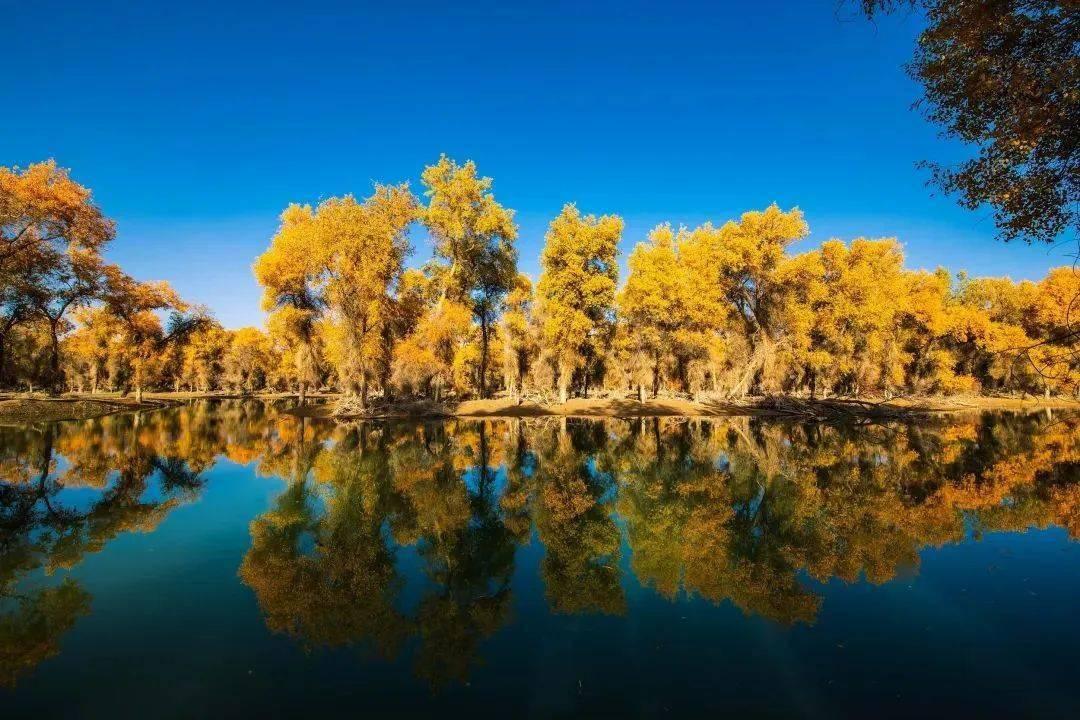
The headline event is the poplar (populus euphratica) forests turning gold in mid-to-late October. The two classic spots are Luntai, in the north of the Tarim Basin, and Zepu, out near Kashgar in the southwest. Against the desert and the blue sky, the gold is intense and brief — a window of about two weeks.
This is strictly a mid-to-late October phenomenon, later than the Kanas colour of September. If poplars are your goal, aim for the third week of October and watch local bloom reports, because the exact peak shifts with the first hard cold nights. Photographers treat it as a once-a-season shot.
The Duku Highway Closes Mid-Month
The Duku Highway road trip normally closes around October 10-15 as snow blocks the high passes. Once it’s shut, you cannot cross the Tianshan on that road until the following June. If your route depends on linking north and south via the Duku, you need to be through it in the first week of October at the latest, with a weather buffer.
I’ve seen it close earlier than the 10th in a cold year, so never plan a Duku crossing for the back half of the month. Treat the first week as your realistic last chance.
The Pamir Plateau Early in the Month
The south holds up better than the north. The Karakoram Highway corridor toward Tashkurgan is still drivable in early October, and the Pamir light is clear and cold. By late October, snow can reach the higher passes, so do the Pamir leg early in your trip. Nights on the plateau are well below freezing even at the start of the month — this is not a place to be under-prepared.
Cold Nights Arrive Fast
October nights drop quickly. In the north and on the plateau, expect sub-zero temperatures after the first cold snaps; even in the Tarim Basin, nights can sit near freezing by late month. Daytime is still pleasant — often 10-20°C — but the swing is large and the wind cuts. This is a month for real warm layers, not a light jacket.
Guesthouses and Scenic Areas Shut Down
After mid-October, the seasonal shutdown begins in earnest. Grassland towns like Nalati and Bayinbuluke, and the Kanas scenic area’s outer services, start closing for winter. Many family guesthouses lock their doors by late October. That means two things: book the places that stay open early, and don’t assume you can wing accommodation in the small towns after the 20th.
The city hubs — Urumqi, Kashgar, Turpan — keep running, so a southern or city-based route is the safe play for late October. If you want the wild colour, be there before the closures, not after.
How I’d Plan an October Trip
- Early October: Do the Duku crossing and any north-Tianshan driving first, while roads are open.
- Mid-October: Be in the Tarim Basin for the Luntai or Zepu poplar gold.
- Late October: Settle into Kashgar, Turpan, or Urumqi, where services run year-round.
- Always: Carry warm layers and confirm road status daily — October closures are weather-driven, not fixed dates.
For context on the wider seasonal picture, my Xinjiang travel guide hub covers the full year, and the Xinjiang attractions page lists what’s open when.
Packing for October
This is not a light month. Bring a real down jacket, thermal base layers, a windproof shell, gloves, and a warm hat — plateau and basin nights both bite. Sturdy closed shoes, not sandals. Sunscreen and sunglasses still matter; the low autumn sun at altitude is strong and the desert glare off the poplars is bright. A dust mask helps if wind picks up on the basin roads.
October Weather by Region
The month cools from north to south and from start to finish. Early October in the north (Kanas, Yili) still sees daytime highs of 10-18°C, but nights fall below zero after the first cold snaps. The Tarim Basin stays mild by day (15-22°C) with cold nights near freezing by late month. The Pamir Plateau is the cold extreme — daytime 8-15°C, nights well below zero — and snow can reach the passes later in the month.
| Region | Daytime (°C) | Night (°C) | October Note |
|---|---|---|---|
| Kanas / Yili (north) | 8-18 | -5 to 4 | Cold, closing for winter |
| Urumqi / Tianshan | 10-20 | 0-8 | Cool, stable early |
| Tarim Basin (south) | 15-22 | 2-10 | Poplar gold mid-late |
| Pamir Plateau | 8-15 | -8 to 2 | Snow risk late month |
Food and Harvest in October
October is the tail of the fruit season and the start of cold-weather eating. The apple and pear orchards around Aksu and Kucha are still selling; pomegranates from Hotan are in. As the weather turns, the grilled-meat and hand-pulled-noodle stalls get busier in the evenings, and the southern bazaars are full of dried fruit and nuts being laid in for winter. It’s a good month for hearty food after a cold morning at the poplars.
Photographing the Poplar Window
If the gold forests are your goal, a few field notes from years of shooting them. Go at first light — the low sun turns the poplars incandescent against the desert, and the midday glare flattens them. A polariser helps cut the basin haze and deepen the sky. Bring a tripod; the best reflections are on the still water channels at dawn. And build in flexibility: the two-week peak shifts with the cold, so I’d rather arrive a few days early and wait than miss it by a week.
Transport and Getting Around
October rewards a hub-and-spoke plan over a long loop. Fly into Urumqi or Kashgar, then use the open roads early in the month for the Duku or the Pamir drive, settling into the southern cities as closures begin. Trains and flights between the hubs keep running all month, so you’re never stranded — but a hired car with a driver is the realistic way to reach Luntai or Zepu poplar sites, since public transport to those spots is thin. Book that driver before mid-month, when many local operators wind down for winter.
Who October Suits Best
October is for planners and photographers more than for casual first-timers. It rewards travellers who can arrive early in the month, chase the poplar window, and accept that the high country is closing. It suits repeat visitors who’ve already done the summer grasslands and now want the desert gold and the last quiet light on the plateau. It’s a poor fit for anyone who needs flexibility and warm nights, or who might dawdle into late October and find roads shut. If you treat it as a tight, well-timed trip rather than a relaxed roam, October is genuinely special — and cheap once the holiday week ends.
Frequently Asked Questions
When do the Tarim poplar forests turn gold?
Typically mid-to-late October, with a peak window of about two weeks. Luntai (north Tarim Basin) and Zepu (near Kashgar) are the classic spots. The exact dates move with the first hard cold nights, so check local reports before you commit.
Is the Duku Highway open in October?
Only in the first part of the month. It usually closes around October 10-15 with snow on the high passes, and stays shut until the following June. Plan any crossing for the first week of October at the latest.
Is October a good time to visit Xinjiang?
Early October is excellent for poplar forests, clear light, and low prices after National Day. Late October is riskier as roads and guesthouses close. It’s a month for travellers who plan around the closures.
How cold is Xinjiang at night in October?
Nights drop to single digits or below zero in the north and on the Pamir Plateau, and can near freezing even in the Tarim Basin by late month. Days stay pleasant at 10-20°C, but pack real warm layers.
Are hotels open in late October?
City hubs stay open, but many grassland and forest guesthouses close from mid-to-late October for winter. Book the places that remain operating early, especially in small towns.
Can I still see the Pamirs in October?
Yes, in early October. The Karakoram Highway corridor toward Tashkurgan is drivable then, with clear cold light. Snow can reach the high passes later in the month, so do the Pamir leg early in your trip.